
Best korma recipe chicken creamy searches usually mean one thing, you want that restaurant-style richness without ending up with a bland, watery sauce or overcooked chicken.
Chicken korma looks simple on paper, but in a real home kitchen, the texture and balance get tricky fast, too much dairy can split, too many spices can turn muddy, and “creamy” can become “heavy.” This guide focuses on the moves that actually change the outcome.
You’ll get a dependable method, a few “choose your path” options depending on how authentic you want to go, and practical fixes if something goes off track. I’ll also flag common shortcuts that tend to backfire, because they waste the most time.
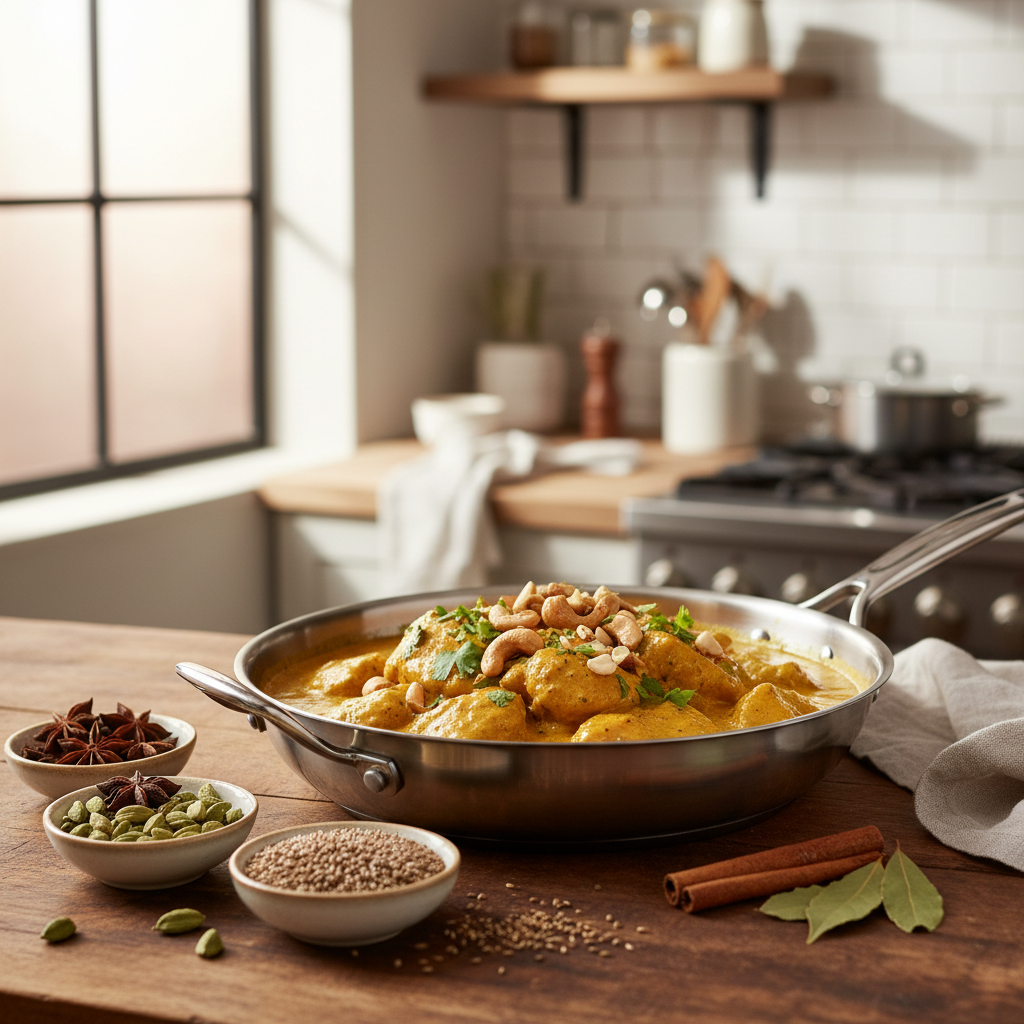
What “creamy chicken korma” should taste like (and what usually goes wrong)
A good chicken korma feels silky, lightly sweet from onions, and warm-spiced rather than hot. The sauce should cling to the chicken, not pool like soup, and not taste sharply of raw dairy.
When it misses, it’s often one of these:
- Thin sauce, usually from skipping reduction or using low-fat yogurt that releases water.
- Grainy texture, often from rushing the onion base or blending nuts poorly.
- Split sauce, common when yogurt hits high heat or goes in all at once.
- Flat flavor, typically from under-salting early or using old ground spices.
According to the USDA, chicken is considered safe when it reaches 165°F internal temperature, so “just cook it longer” isn’t the fix once it’s dry, gentle simmering and timing matter more.
Ingredients that make this the best creamy chicken korma at home
This list aims for US grocery reality, with options if you have an Indian market nearby. The main idea: build a deep onion base, then add creaminess with yogurt and/or nuts in a controlled way.
Core ingredients
- Chicken: boneless thighs stay juicier, breasts work if you watch time closely.
- Onion: yellow onion for sweetness and body.
- Aromatics: garlic, ginger.
- Dairy: plain whole-milk yogurt (Greek works with thinning), optional heavy cream at the end.
- Nuts: cashews or blanched almonds for the classic silky feel.
- Spices: garam masala, coriander, cumin, turmeric, plus whole spices if available.
- Fat: ghee is traditional, neutral oil works, butter can finish.
Optional but helpful
- Whole spices: green cardamom, cinnamon stick, cloves, bay leaf.
- Saffron: a pinch bloomed in warm milk for aroma and color.
- Kasuri methi (dried fenugreek leaves): a small pinch adds that “restaurant” edge.
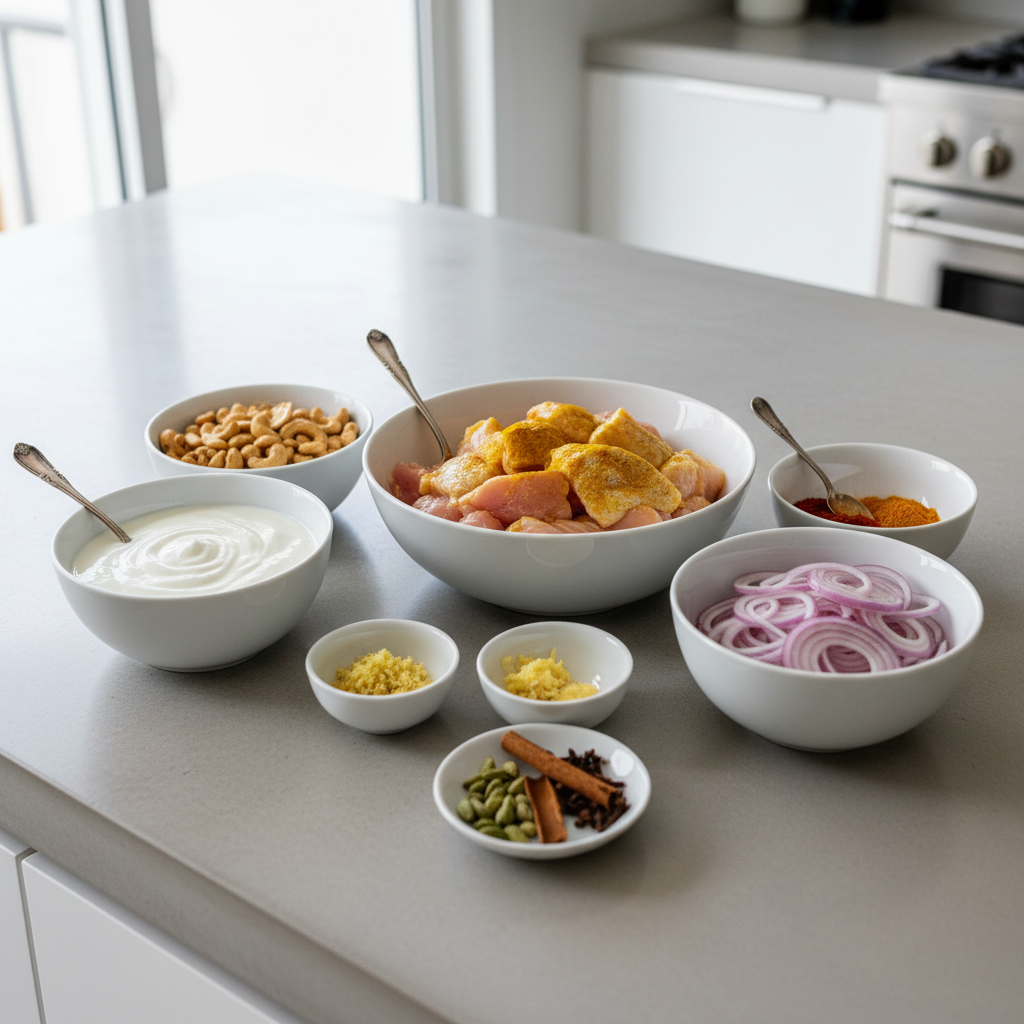
Quick decision table: choose your creamy base
There’s more than one “right” creamy base. Use this to match your preference and pantry.
| Creamy base | Texture result | Flavor | Best for |
|---|---|---|---|
| Yogurt only | Light, silky if handled gently | Tangy, traditional | Weeknights, lower richness |
| Nuts only (cashew/almond paste) | Very smooth, thick | Mild, slightly sweet | Make-ahead, reheats well |
| Yogurt + nuts | Restaurant-style creamy | Balanced, rounded | Guests, “best creamy” goal |
| Yogurt + a splash of cream | Glossy, plush | Less tang, more comfort | If your yogurt is sharp |
The best creamy chicken korma recipe (step-by-step)
This method leans classic, but it’s written for a US stove and common brands. It serves 4.
Ingredients (serves 4)
- 1.5 lb boneless chicken thighs (or breasts), bite-size
- 1 large yellow onion, thin sliced
- 1.5 tbsp ginger, grated
- 1.5 tbsp garlic, minced
- 1/2 cup plain whole-milk yogurt, room temperature
- 1/3 cup cashews (or blanched almonds), soaked 15 minutes in hot water then drained
- 2 tbsp ghee or neutral oil
- Spices (ground): 2 tsp coriander, 1 tsp cumin, 1/2 tsp turmeric, 1 to 1.5 tsp garam masala
- Whole spices (optional): 4 cardamom pods, 1 small cinnamon stick, 3 cloves, 1 bay leaf
- 1 to 1.25 cups water or low-sodium chicken stock
- Salt to taste
- Optional finish: 2 to 4 tbsp heavy cream, pinch of kasuri methi, cilantro
1) Make a smooth nut paste
Blend drained cashews with 1/3 cup water until very smooth. If it looks sandy, keep blending, this paste controls the final sauce texture more than people expect.
2) Build the onion base, don’t rush it
Heat ghee in a deep skillet on medium. Add whole spices if using, toast 30 to 45 seconds until fragrant. Add onions with a pinch of salt, cook 12 to 18 minutes, stirring often, until golden and soft, not browned and crispy.
3) Add aromatics and ground spices
Add ginger and garlic, cook 45 to 60 seconds. Stir in coriander, cumin, turmeric, and 1 tsp garam masala. If it looks dry, add a splash of water so spices don’t scorch.
4) Coat chicken, then simmer gently
Add chicken, stir to coat 2 to 3 minutes. Add 1 cup water or stock, bring to a low simmer. Cover and cook 10 to 14 minutes for thighs, a bit less for breast, until just cooked through.
5) Make it creamy without splitting
Turn heat to low. Stir in nut paste, simmer uncovered 5 to 8 minutes to thicken. Take the pan off heat for a moment, then stir in room-temperature yogurt slowly, a few spoonfuls at a time, mixing constantly.
If you want the most “velvety” finish, add 2 to 4 tbsp heavy cream and the remaining garam masala, then warm gently for 1 minute, no hard boiling.
6) Taste like a cook, not like a recipe
Adjust salt, and if the sauce feels one-note, add a pinch more garam masala. If it tastes too tangy, a small splash of cream often rounds it out faster than adding sugar.
Self-check: are you on track for creamy korma?
Halfway through cooking, do these quick checks. They catch most problems before you serve.
- Onions smell sweet and look golden, not pale and raw, not dark and bitter.
- Sauce coats a spoon after nut paste simmers 5 minutes.
- Chicken feels tender when pressed, not tight and springy.
- Yogurt goes in off high heat, and you never let the pot boil afterward.
- Spice tastes warm and rounded, not harsh, harsh usually means scorched spices or too much garam masala early.
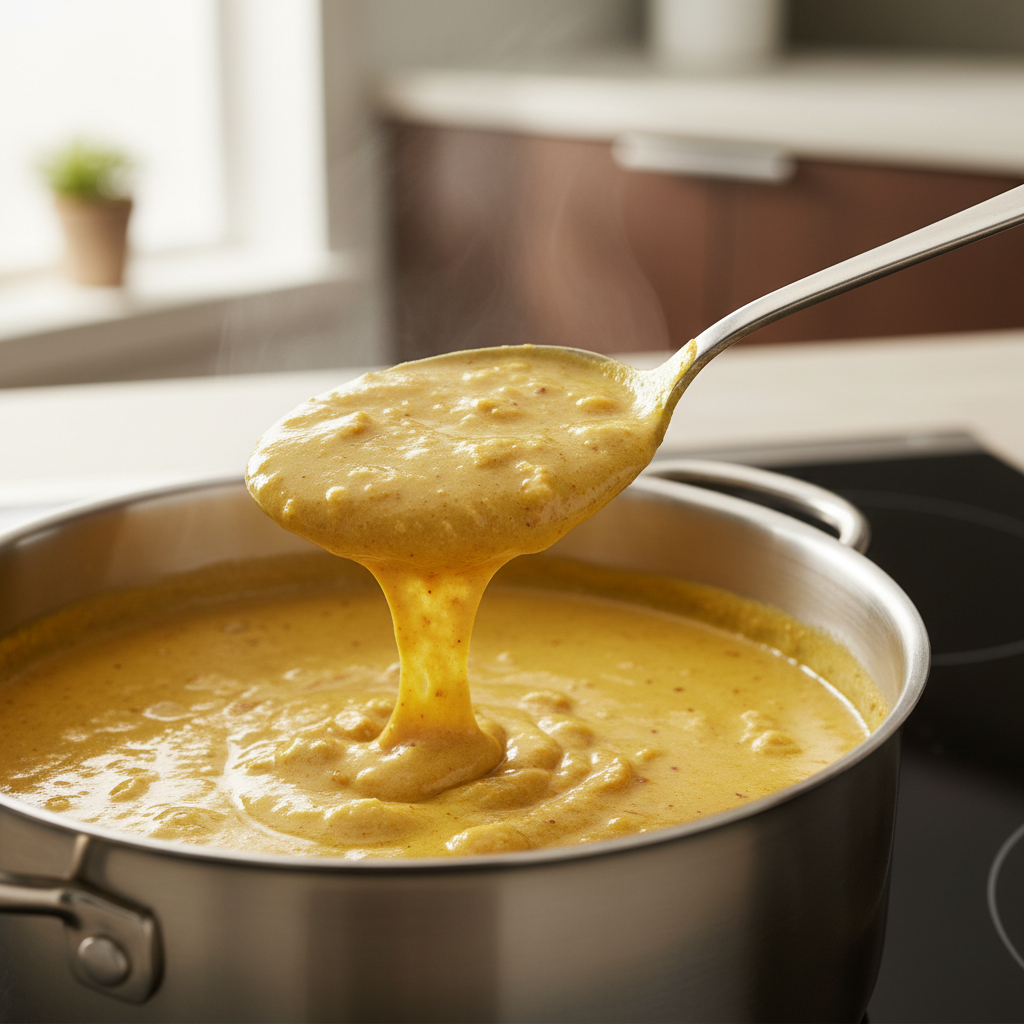
Practical fixes and swaps (because real kitchens vary)
This is the part most recipes skip, but it’s where home cooks actually win.
If your sauce is too thin
- Simmer uncovered on low, stir often, give it 6 to 10 minutes.
- Add 1 to 2 tbsp more nut paste, then simmer 2 minutes.
- Avoid adding flour or cornstarch unless you truly need an emergency fix, it can dull the flavor.
If your sauce split or looks curdled
- Lower heat immediately, whisk in 1 to 2 tbsp cream or a few tbsp warm water.
- Blend carefully with an immersion blender if texture bothers you, then re-warm gently.
- Next time, keep yogurt at room temp and add slowly off the boil.
If you need a dairy-free version
- Use cashew paste as the main creamy base, skip yogurt, finish with coconut cream if you like that flavor.
- Watch sweetness, coconut can push it, add a little more garam masala at the end to balance.
Time-saving moves that usually still taste good
- Use a blender for the onion base after cooking, then return it to the pan for a very smooth sauce.
- Pre-mix ground spices in a small bowl so nothing burns while you measure.
Serving, storage, and make-ahead notes
Chicken korma tends to taste even better after a rest, the spices settle and the sauce thickens slightly.
- Serve with: basmati rice, naan, or warm pita in a pinch, plus cucumber salad to cut richness.
- Fridge: store up to 3 to 4 days in a sealed container, reheat gently so the sauce stays smooth.
- Freezer: possible, though yogurt-based sauces sometimes change texture, nut-forward versions freeze more reliably. If you’re unsure, freeze without the yogurt and add it fresh when reheating.
Key takeaway: if you’re chasing the best korma recipe chicken creamy, treat yogurt like a finishing ingredient, not something you boil, and give onions enough time to turn sweet and soft.
Conclusion: how to make this “best” in your kitchen, not someone else’s
The best version is the one that lands the texture you want consistently, rich but not heavy, spiced but not aggressive, and creamy without breaking. Nail the onion base, use a smooth nut paste, then add yogurt gently off high heat, that combination solves most frustrations.
If you cook this once and take notes on one thing only, make it the creamy base choice from the table above. That single decision tends to separate “pretty good” from “I should make this again.”
If you want, cook the same recipe twice, one time yogurt-only, one time yogurt plus nuts, it’s the fastest way to figure out your house style.
Key points to remember
- Golden onions create sweetness and body, pale onions create bland sauce.
- Low heat for yogurt prevents splitting in many kitchens.
- Nut paste thickens and smooths without starchy shortcuts.
- Finish spices late for a brighter, cleaner aroma.
FAQ
What makes chicken korma “creamy” without tasting like straight cream?
Usually it’s the combination of a well-cooked onion base plus a nut paste, then dairy added gently. Heavy cream alone can make it rich, but it often tastes one-dimensional compared to nuts and yogurt.
Can I use chicken breast and still keep it tender?
Yes, but keep the simmer gentle and stop cooking as soon as it reaches a safe temperature. Breasts tend to dry out if they keep bubbling while you thicken the sauce, so thicken first, then warm through.
Is Greek yogurt okay for korma?
It can be, especially if you like a thicker sauce, but it’s stronger and can look grainy if overheated. Thin it with a little water, bring it to room temperature, and add it off the boil.
Why does my korma taste bitter?
Most often it’s scorched spices or onions cooked too dark. Keeping spices moving in the pan and adding a splash of water when the pot looks dry helps prevent that toasted-then-burned flavor.
How do I make this less spicy for kids?
Korma is usually mild already, but skip any chili ingredients, keep garam masala on the lower end, and finish with a little cream. If it still feels intense, serving with extra rice helps.
Can I make korma in advance for a dinner party?
Yes, and it’s a good candidate for make-ahead. Many cooks make the sauce a day early, then reheat gently and add the yogurt at the end so the texture stays smooth.
What’s the difference between korma and tikka masala?
Korma leans creamy and nutty with warm spices, while tikka masala tends to be tangier and tomato-forward. If you’re craving “soft” spice and silkiness, korma fits better.
Do I need to blend the sauce to call it “restaurant-style”?
Not required, but blending does make a noticeable difference in smoothness, especially if you used almonds or your onions stayed a little chunky. An immersion blender is usually enough.
If you’re trying to dial in the best korma recipe chicken creamy for your own routine, tell me what you’re using for the creamy base and whether you prefer thighs or breast, and I can suggest the most reliable tweak without changing the whole recipe.