
best risotto recipe mushroom easy is really about one thing: getting that creamy, restaurant-style texture without turning dinner into a stressful, hour-long stirring contest.
Most “easy” risotto recipes fail in two predictable ways, they rush the broth step or treat mushrooms like an afterthought, and you end up with rice that tastes flat or feels gluey. The good news is you don’t need fancy gear, you need a few small decisions made correctly.
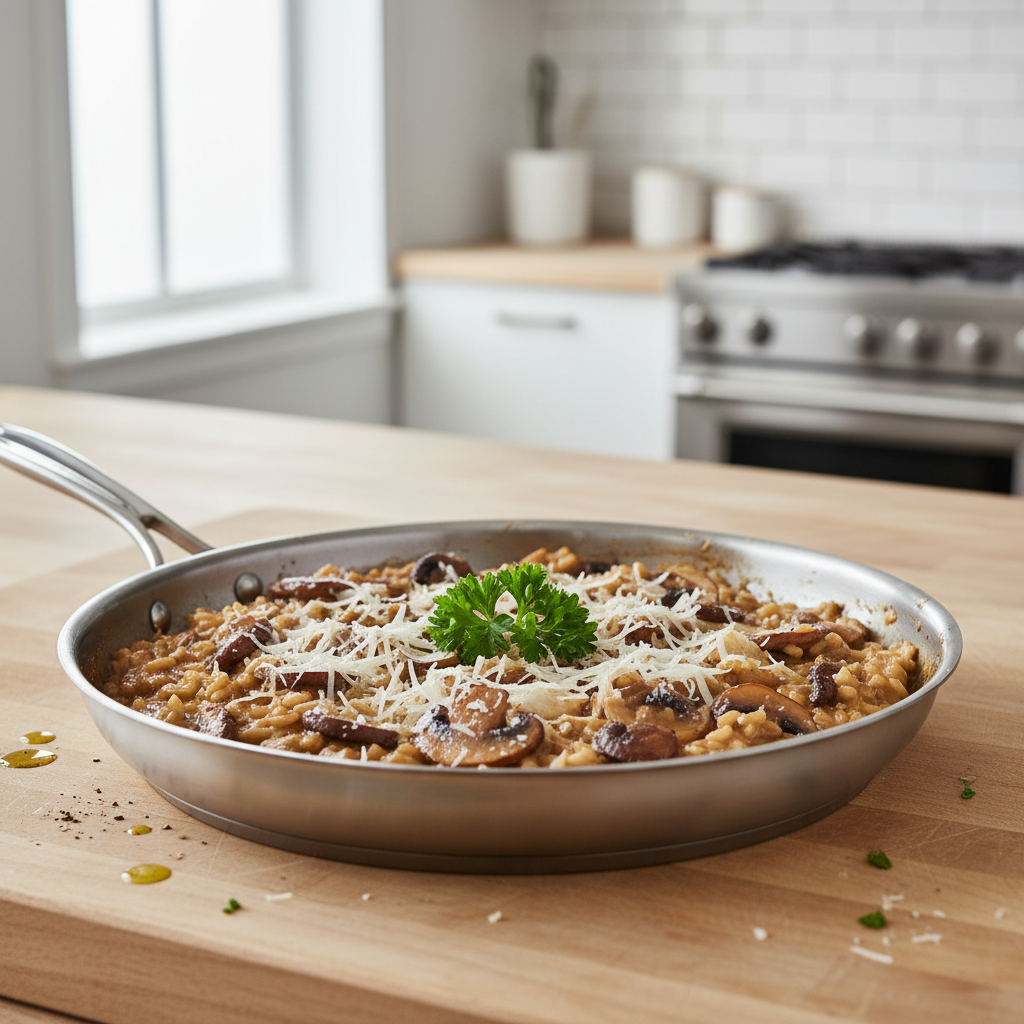
In this guide, you’ll get a reliable method, a quick self-check to troubleshoot texture, and practical shortcuts that still taste like you cared. I’ll also call out the common “helpful” tips that quietly sabotage risotto.
Why mushroom risotto often disappoints (and what to fix)
Risotto has a reputation, but the core technique is simple: gradually hydrating starch-rich rice while keeping it hot and moving enough to release starch. Most issues come from small missteps that compound.
- Broth not hot enough, adding cool liquid drops pan temperature, the rice cooks unevenly, then people over-stir to compensate.
- Mushrooms crowded in the pan, they steam instead of brown, so you lose that deep umami base.
- Wrong rice or over-rinsing, rinsing washes away surface starch that helps create creaminess.
- Overcooking at the end, rice goes from creamy to thick paste fast, especially once cheese goes in.
- Under-seasoning early, if the base tastes bland, no amount of parmesan at the end truly fixes it.
According to the USDA, hot foods should be kept at 140°F (60°C) or above to stay out of the “danger zone,” so keeping broth hot isn’t only about texture, it’s also a sensible food-safety habit when you’re holding warm stock on the stove.
Quick self-check: what kind of risotto problem do you have?
If you’ve tried this before and it “never works,” do this quick diagnosis first, it saves time and frustration.
- Too thick, sticky, clumpy: heat likely too low, too much stirring late, or cooked too long after it turned tender.
- Hard center in the rice: broth additions too big or too fast, or the simmer never recovered between ladles.
- Watery, soupy: added too much liquid too quickly, or didn’t cook long enough to emulsify starch.
- Bland: stock weak, salt delayed, mushrooms not browned, or no acid/brightness at the end.
Texture target: rice should be tender with a slight bite, and the finished dish should “flow” on the plate rather than sit like a mound.
Ingredients that actually matter (and smart substitutions)
This is where “easy” gets real: buy what’s available, but pick a few non-negotiables.
Core ingredients
- Rice: Arborio is common in U.S. stores, Carnaroli often gives a slightly more forgiving texture if you find it.
- Mushrooms: cremini + shiitake is a strong combo, but all cremini works fine.
- Broth: low-sodium chicken or vegetable, so you control salt.
- Aromatics: onion or shallot, plus garlic.
- Fat: butter and/or olive oil.
- Finish: parmesan (or pecorino), plus a small acid pop like lemon juice.
Substitutions that keep the spirit
- Wine: swap with a splash of broth + 1–2 tsp lemon juice, you lose some aroma but keep balance.
- Dairy-free: use olive oil to finish and stir in nutritional yeast, results vary by brand, taste and adjust.
- Extra umami: a small amount of miso or soy can help if your broth tastes thin, add carefully and taste often.
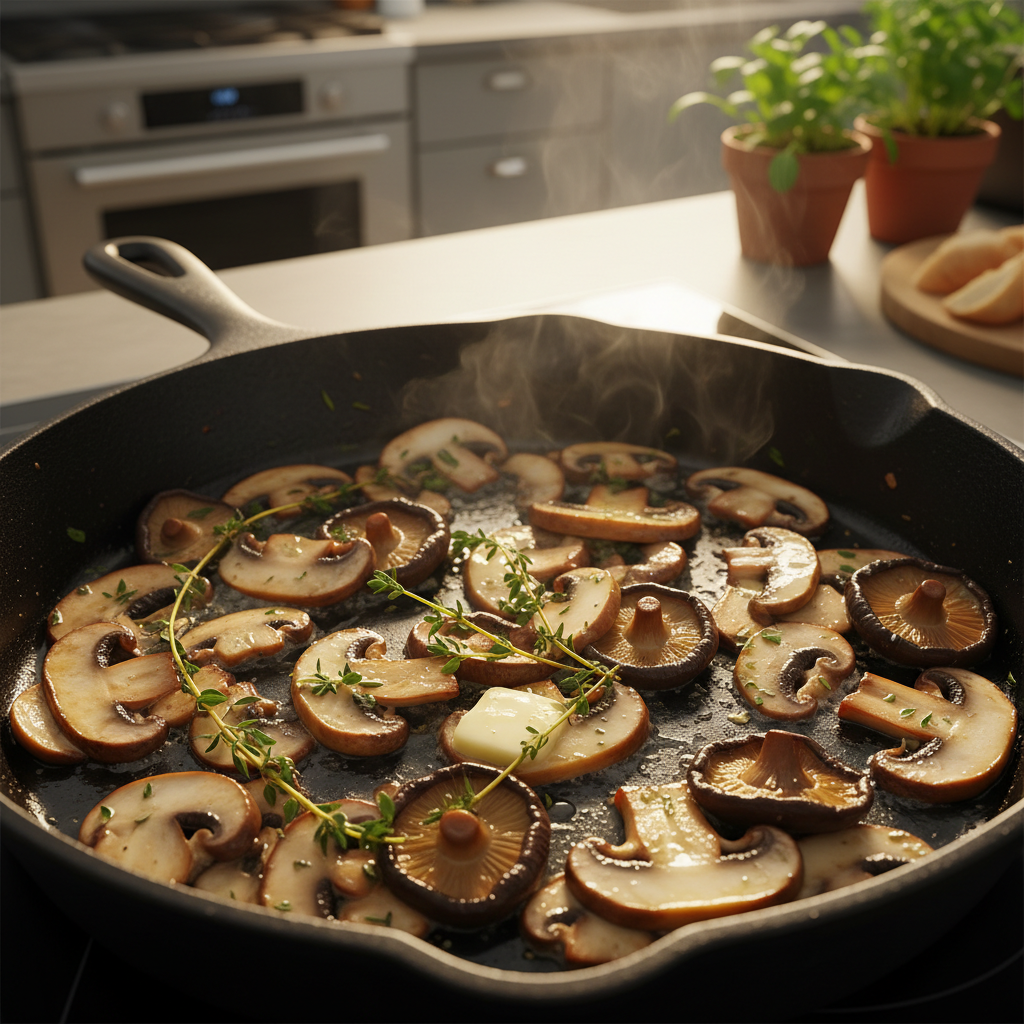
Key point: your mushrooms should taste good before they ever meet the rice. If they’re pale and watery, the whole pot will be.
The best easy mushroom risotto method (step-by-step)
This approach keeps stirring reasonable, but still respects the technique. Read once, then cook, it moves quickly once the rice hits the pan.
What you’ll need
- Wide pot or deep skillet
- Small saucepan for broth
- Ladle
- Wooden spoon or spatula
Ingredients (serves 4)
- 1 1/2 cups Arborio rice
- 5–6 cups low-sodium broth, kept hot
- 12–16 oz mushrooms, sliced
- 1 small onion or 2 shallots, finely chopped
- 2 cloves garlic, minced
- 2 tbsp olive oil
- 3 tbsp butter, divided
- 1/2 cup dry white wine (optional)
- 3/4 cup finely grated parmesan, plus more to serve
- Salt and black pepper
- 1–2 tsp lemon juice, to finish
- Optional: thyme, parsley
Steps
- Heat broth in a saucepan and keep it at a gentle simmer.
- Brown mushrooms in a wide pan with olive oil and 1 tbsp butter over medium-high heat, don’t crowd, work in batches if needed. Season lightly, then remove to a bowl.
- Sweat aromatics in the same pan over medium heat, add onion/shallot with a small pinch of salt, cook until translucent, add garlic for 30 seconds.
- Toast rice by stirring it into the pan for about 1–2 minutes, grains should look glossy, this helps structure.
- Deglaze with wine if using, stir until mostly absorbed.
- Ladle hot broth in, about 1/2 cup at a time, stir occasionally, not nonstop. Add the next ladle when the pan looks nearly dry and your spoon leaves a brief trail.
- Start tasting early at around 18 minutes. Most batches finish around 20–25 minutes, but your stove decides.
- Return mushrooms when the rice is close to tender, so they stay meaty, not overcooked.
- Finish off heat: stir in remaining butter and parmesan until glossy, then lemon juice. Adjust salt and pepper.
If you want a true “easy” flow, keep your ladle rhythm steady and your heat at a lively simmer, not a frantic boil, not a sleepy simmer.
Timing guide and broth math (use this table)
Risotto feels mysterious until you track what you’re seeing in the pan. This table is the mental model most home cooks are missing.
| Stage | What it looks like | What you do |
|---|---|---|
| Toast | Rice turns glossy, smells nutty | Stir 1–2 min, don’t brown |
| Early cooking | Liquid absorbs in 30–60 sec | Add broth in ladles, stir occasionally |
| Midpoint | Mixture looks creamy, rice still firm | Keep heat steady, start tasting |
| Final 5 minutes | Rice almost tender, sauce thickens fast | Smaller broth additions, gentler stirring |
| Mantecatura (finish) | Glossy, flows when you tilt the pan | Off heat, add butter + cheese, then acid |
Key takeaway: the last stage is where many pots get overcooked, the carryover heat keeps working even after you stop stirring.
Practical shortcuts that keep it “easy” without tasting lazy
Weeknight risotto is possible, you just need shortcuts that don’t break the method.
- Pre-slice mushrooms and store in a paper towel-lined container for a day, it helps them brown instead of steam.
- Use a kettle to heat extra broth fast if you run low, then bring it back to a simmer in the saucepan.
- Batch brown mushrooms earlier, then refrigerate, add them near the end.
- Stir smarter: stir to prevent sticking and encourage starch release, but constant stirring is rarely required on a good nonstick or stainless pan with correct heat.
- Freeze extra broth in 1-cup portions, thin risotto the next day with warm broth, not water.
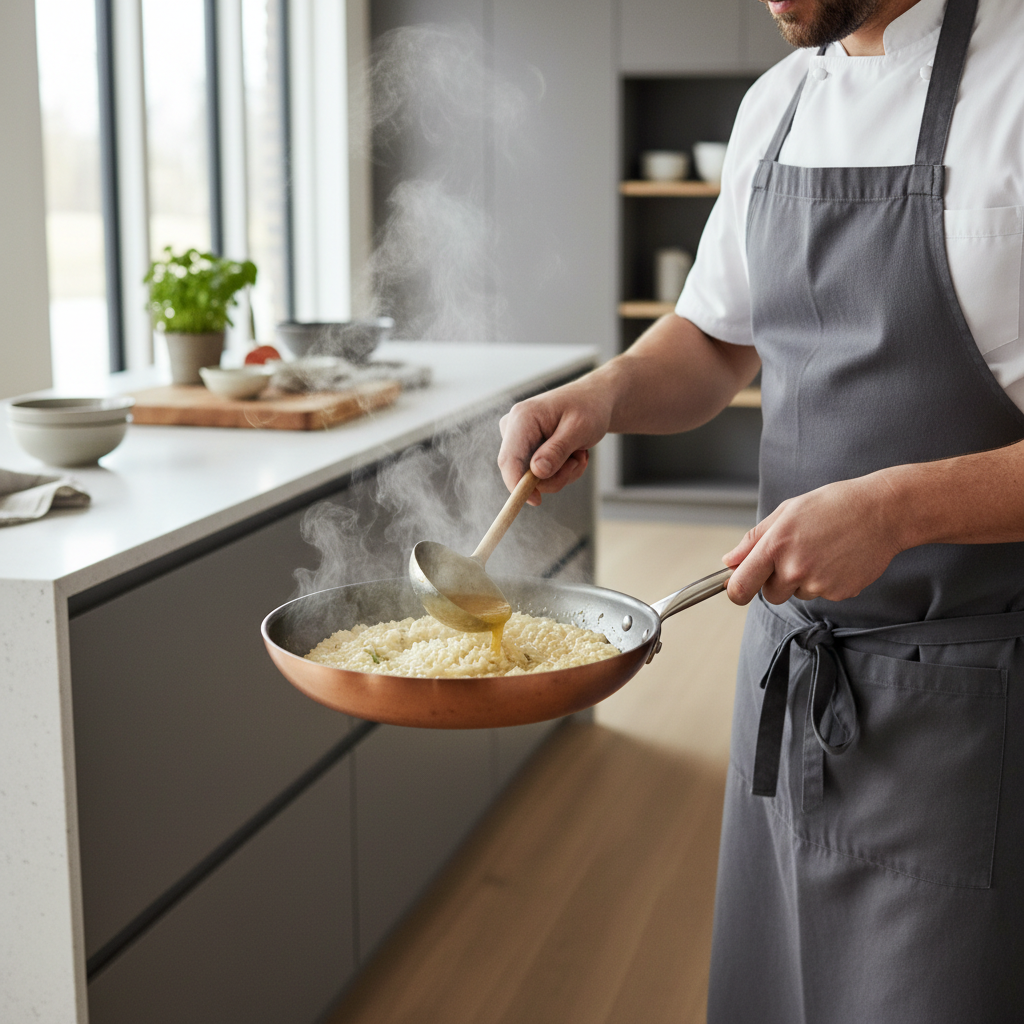
One more honest shortcut: if you’re exhausted, stop chasing perfection and serve it a touch looser, slightly “brothy” risotto often reads as more luxurious than stiff, overworked rice.
Common mistakes (that sound right but go wrong)
- Rinsing Arborio: you rinse away helpful starch, better to keep it dry and toast it.
- Pouring all broth at once: you get rice soup, then you simmer forever trying to fix it.
- Adding cheese while boiling: heat too high can make cheese clump or taste grainy, take the pan off heat.
- Under-salting until the end: season in layers, especially mushrooms and onion base.
- Using a narrow pot: risotto likes surface area, a wide pan encourages even cooking and evaporation.
If you’re cooking for someone with dietary restrictions or health concerns, especially sodium limits, it’s wise to adjust broth choice and cheese amount and, in many cases, consult a qualified professional for personalized guidance.
Conclusion: how to make this your go-to bowl in 2026
The best version of this dish doesn’t come from complicated steps, it comes from a hot broth, properly browned mushrooms, and stopping the cook at the exact moment the rice turns creamy and still has a little bite.
Your next move is simple: cook it once exactly as written, then on round two, change only one variable, mushroom mix, cheese, or finishing acid, so you learn what actually improves your personal “best risotto recipe mushroom easy” result.
FAQ
- How do I know when risotto is done without guessing?
Start tasting earlier than you think, the rice should be tender with a faint chew. The sauce should flow when you drag a spoon through, if it holds a trench, it’s already on the thick side. - Can I make mushroom risotto without wine?
Yes. Wine adds aroma and acidity, but you can replace it with broth and finish with lemon juice or a tiny splash of vinegar, then taste and adjust. - What mushrooms make the most flavorful risotto?
Cremini brings a classic “brown mushroom” flavor, shiitake adds deeper savory notes. If you use only white button mushrooms, browning becomes even more important. - Why did my risotto turn gummy?
Usually overcooking, low heat, or over-stirring late. Next time keep the pan at a steady simmer and stop cooking as soon as the grains hit that tender-with-bite point. - Can I use brown rice or jasmine rice for risotto?
They cook differently and don’t release starch the same way, so the texture won’t match classic risotto. If you try it anyway, expect different timing and a less creamy finish. - Is it okay to reheat leftover risotto?
Yes, but reheat gently and loosen with warm broth to bring back creaminess. For food safety, follow USDA guidance on proper cooling and reheating, and avoid leaving it at room temperature for long. - How do I make it more “restaurant-tasting” at home?
Brown mushrooms well, use hot broth, and finish off heat with butter, finely grated parmesan, and a small hit of acid. Those three details usually change everything.
If you’re trying to dial in this recipe for your kitchen setup, electric vs gas, specific broth brands, or a dairy-free finish that still tastes rich, share what you’re using and what went wrong, and I can help you troubleshoot without turning it into a complicated project.