
Chocolate chip cookies that stay soft the next day usually come down to two things: moisture management and not overbaking. If your cookies keep turning out cakey, flat, or weirdly dry, this recipe and the troubleshooting notes below will get you back to that “thick, chewy, bakery-style” lane.
Most people don’t actually need a “secret ingredient,” they need a better process, especially around butter temperature, flour measuring, and bake timing. Small swings there change texture more than brand of chocolate or fancy salt.
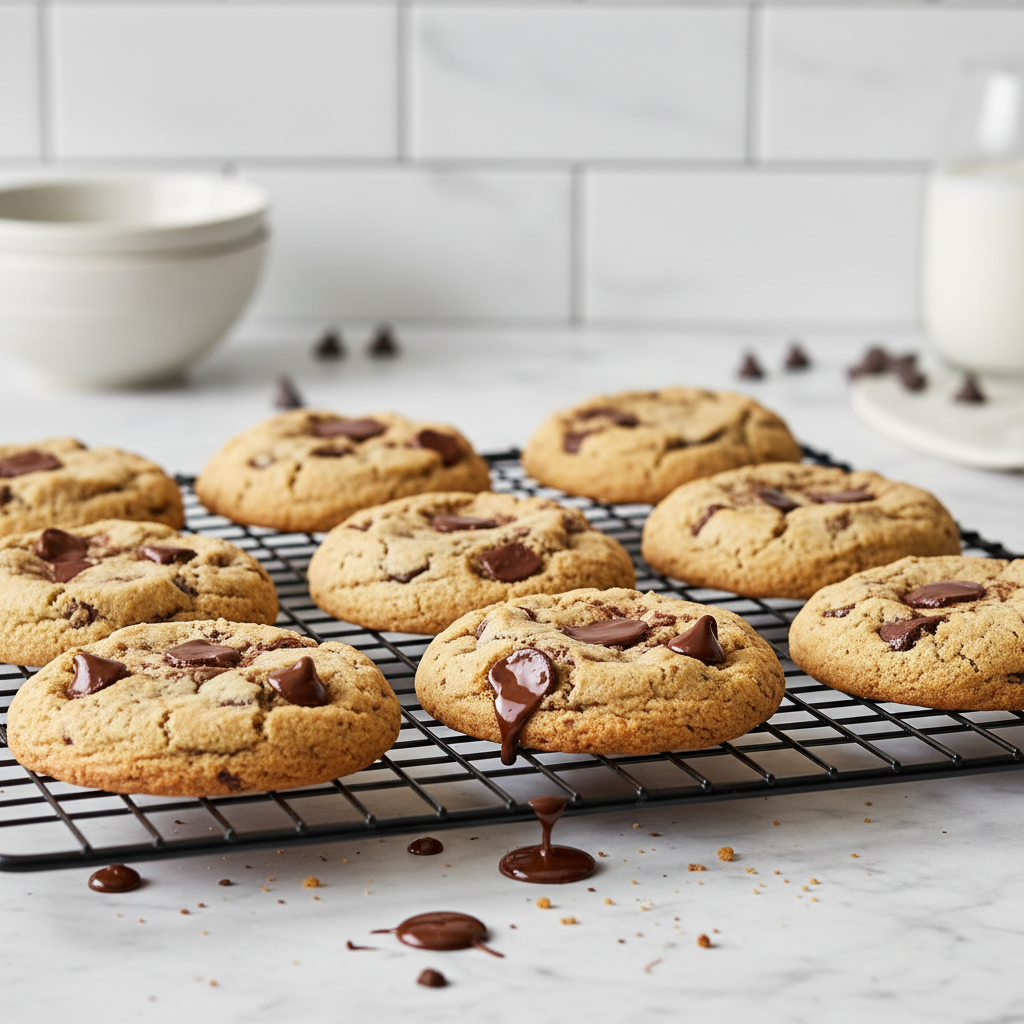
You’ll get the base recipe, the why behind each step, and a quick “diagnose my cookie” checklist. I’ll also call out the common traps, because a lot of cookie advice online is half true, then your tray bakes into disappointment.
What makes a cookie soft (and what makes it dry)
Softness is really about moisture staying inside the cookie after it sets. You want enough structure to hold a thick center, but not so much that it turns bready.
- Fat + sugar behavior: Butter melts and helps spread, sugar dissolves and pulls in moisture. More brown sugar usually means a chewier, softer bite because it’s more hygroscopic.
- Protein + mixing: Flour protein becomes gluten with mixing, too much mixing can make cookies tougher and less tender.
- Heat timing: Overbaking is the most common “why are they dry?” answer. Pulling cookies when the center still looks slightly underdone is normal for soft results.
- Storage: Even perfect cookies can dry out if stored wrong. Airtight matters more than you’d think.
According to USDA Food Safety and Inspection Service, raw cookie dough may contain pathogens from raw eggs or flour, so it’s smart to avoid tasting dough and bake cookies fully for safety, especially for kids, pregnant people, or anyone immunocompromised.
Soft chocolate chip cookies recipe (ingredients + quick ratios)
This is a practical, reliable version: soft center, lightly crisp edge, rich flavor, not overly sweet. It’s sized for a typical home oven and one standard baking session.
Ingredients (makes about 18–22 cookies)
- 2 1/4 cups (270g) all-purpose flour
- 1 tsp baking soda
- 1/2 tsp fine salt (use 3/4 tsp if your butter is unsalted and you like a stronger contrast)
- 3/4 cup (170g) unsalted butter, softened to cool room temp
- 3/4 cup (150g) packed light brown sugar
- 1/2 cup (100g) granulated sugar
- 1 large egg + 1 egg yolk (the extra yolk helps softness)
- 2 tsp vanilla extract
- 2 cups (about 340g) semisweet chocolate chips or chunks
Optional upgrades (pick one, not all)
- 1 tbsp cornstarch for extra tenderness and thickness
- Flaky salt on top after baking for a bakery finish
- 1/2 cup chopped walnuts or pecans for texture
Step-by-step method (so they stay thick and chewy)
You can make these in one bowl and a whisk, but an electric mixer makes creaming more consistent. Either way, don’t rush the parts that feel boring, those are the ones that control texture.
1) Prep
- Heat oven to 350°F.
- Line 2 baking sheets with parchment.
- Whisk flour, baking soda, and salt in a bowl.
2) Cream butter and sugars
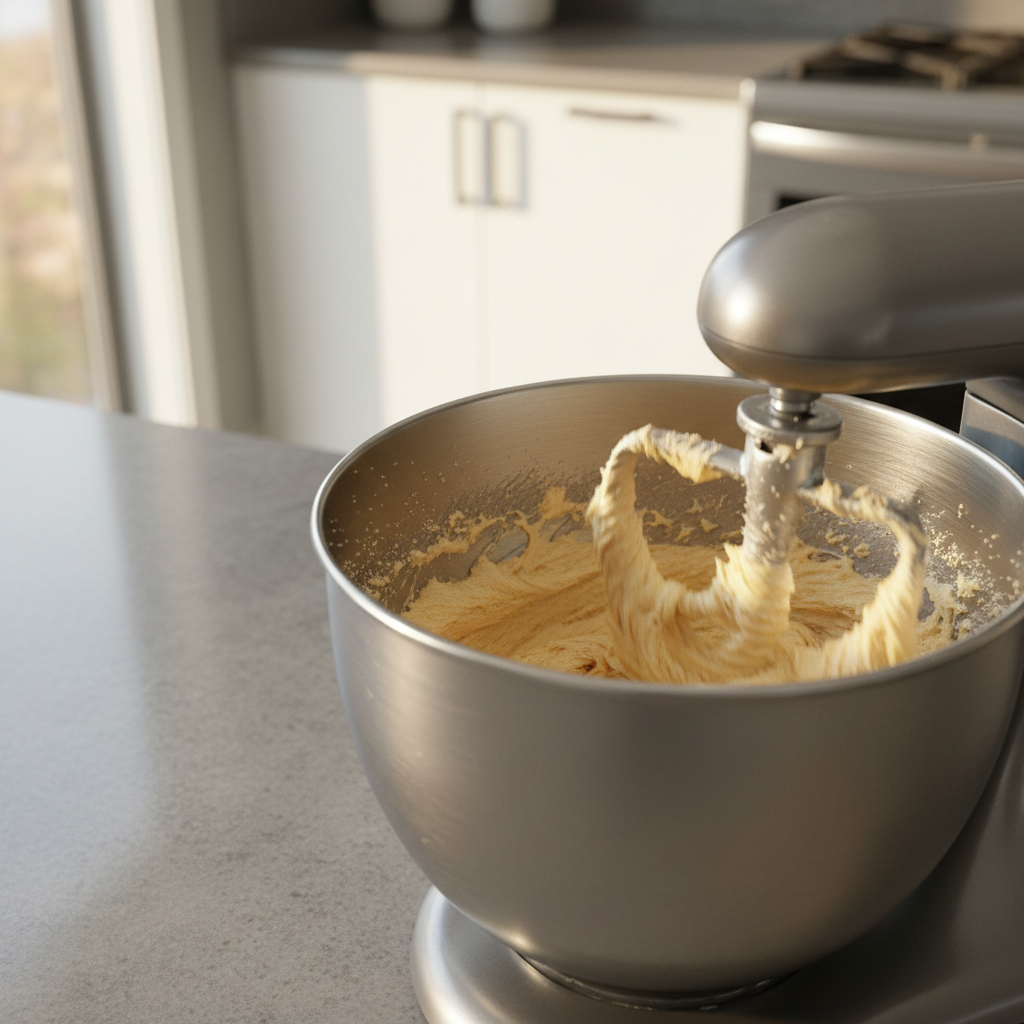
Beat butter with brown sugar and granulated sugar until it looks lighter and fluffy, usually 2–3 minutes. If butter is greasy or half-melted, your dough may spread more than you want.
3) Add eggs and vanilla
Mix in the egg, then the extra yolk, then vanilla. Stop once combined. Overmixing at this stage isn’t usually the biggest problem, but you still want to keep it tidy.
4) Add dry ingredients, then chocolate
Add the flour mix and stir until you no longer see dry flour. Fold in chocolate. If using nuts, add them now.
5) Chill (recommended, not always mandatory)
Chill dough 30–60 minutes for thicker cookies and better flavor. If your kitchen runs warm or your butter softened fast, chilling matters more. You can bake right away, but expect a bit more spread.
6) Scoop and bake
- Scoop 2 tbsp portions (about 35–40g), space them 2–3 inches apart.
- Bake 10–12 minutes, until edges look set and lightly golden, centers still look soft.
- Cool on the sheet 5 minutes, then move to a rack.
Key point: if you wait for the centers to look “done” in the oven, you usually bake out the softness. Carryover heat finishes them on the pan.
Quick troubleshooting: why your cookies aren’t coming out soft
When people say “my chocolate chip cookies are wrong,” they usually mean one of these outcomes. Match your symptom and fix the right lever, not five random things.
| Problem | Likely cause | Fix next batch |
|---|---|---|
| Dry, crumbly | Too much flour, overbaked | Weigh flour (270g), pull earlier, use extra yolk |
| Flat and greasy | Butter too warm, no chill | Cool butter, chill dough 45 minutes, check oven temp |
| Cakey, bread-like | Too much flour, too much mixing | Spoon-and-level or weigh, mix just to combine |
| Too thick, not spreading | Too much flour, dough too cold | Let dough sit 10 minutes, slightly smaller scoops |
| Pale, bland | Underbaked or low salt/vanilla | Increase vanilla, consider a pinch more salt, bake 1 minute longer |
Self-check list before you change the recipe
If you only do one thing, do this: confirm your measuring and heat. Most “recipe fails” are process issues, not ingredients.
- Oven temperature: if you can, use an oven thermometer. Many home ovens run hot or cold, and cookies are sensitive.
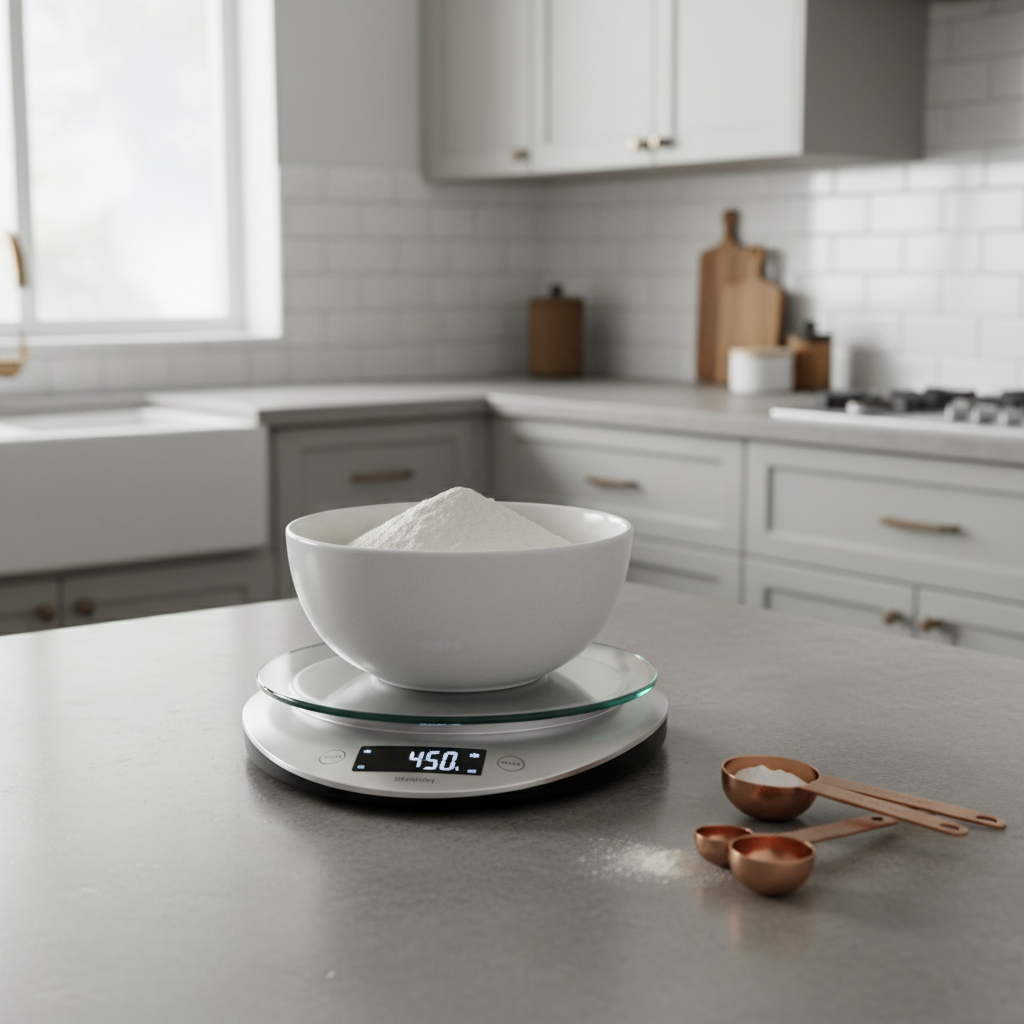
- Flour measurement: weighing beats cups. If using cups, spoon flour into the cup and level, don’t pack.
- Butter state: it should dent when pressed but still hold shape, not shiny or melting.
- Pan + liner: dark pans brown faster, parchment reduces spreading compared with greasing.
- Batch spacing: crowded trays trap steam and encourage uneven baking.
And one more that people hate hearing: if you swap half the ingredients for “healthier” versions, you may get a different cookie. That’s not a moral failing, it’s just baking chemistry.
Practical tweaks for different “soft” styles
Not everyone wants the same soft cookie. Some want thick and gooey, others want softer-but-crisp edges, and some want a smaller, snacky cookie that stays tender.
For thicker, bakery-style cookies
- Chill dough 2–24 hours.
- Use chocolate chunks instead of all chips for bigger pockets of melt.
- Try 1 tbsp cornstarch, especially if your flour runs high-protein.
For soft cookies with a little more spread
- Chill only 20–30 minutes, or bake right away if butter is truly cool-soft.
- Slightly flatten the dough balls before baking.
For “stay soft for days” storage
- Cool completely, then store airtight.
- Add a slice of sandwich bread to the container, it can help maintain moisture. Replace as it dries.
- Freeze baked cookies up to a couple months, then thaw covered at room temp.
Common mistakes that quietly ruin texture
These are the sneaky ones, because you can follow a recipe and still fall into them without realizing.
- Overbaking “just to be safe”: you want set edges and a soft center, not a fully browned top.
- Adding flour to fix sticky dough: sticky dough is normal. Chilling is usually the better fix.
- Skipping salt: even sweet cookies can taste flat without it, and people mistake “flat flavor” for “bad recipe.”
- Hot baking sheets: if you reuse a tray right from the oven, dough starts melting before it bakes. Let sheets cool or rotate extras.
According to FDA, raw flour is not treated to kill bacteria, so it’s not considered safe to eat without cooking. If you want “cookie dough flavor,” look for heat-treated flour or recipes designed for edible dough.
Key takeaways + next bake game plan
If you want soft centers consistently, don’t chase hacks, chase control: measure flour accurately, keep butter at the right softness, and pull the tray while the middle still looks a little underdone. Those three changes fix most home cookie problems faster than buying new pans or switching brands.
Next time you bake, pick one improvement to focus on, usually oven temp or flour measuring, then adjust from there. Your ideal chocolate chip cookies are probably one small tweak away.
FAQ
Why did my chocolate chip cookies turn out hard after cooling?
In many cases they stayed in the oven a minute or two too long, or baked on a hotter-than-expected oven. Pull them when edges set and centers look soft, they firm up on the pan.
Should I use melted butter for soft cookies?
Melted butter can make a chewier cookie, but it also increases spread and can go greasy if the dough isn’t chilled. For this soft cookie texture, cool room-temp butter is the more predictable choice.
How do I keep cookies soft overnight?
Cool fully, then store airtight. If your environment is dry, adding a slice of bread to the container often helps, since the bread gives up moisture before the cookies do.
Can I freeze the dough?
Yes. Scoop portions, freeze on a tray, then bag them. Bake from frozen and add about 1–2 minutes, watching the edges rather than the clock.
Why are my cookies cakey instead of chewy?
Too much flour is a common culprit, and overmixing can add extra structure. Weighing flour and mixing just until combined usually shifts texture back toward chewy.
Do I really need to chill the dough?
Not always, but it’s the easiest way to improve thickness and flavor, especially if butter got warm. If you like thinner cookies, you can shorten the chill.
Can I make this recipe gluten-free?
Possibly, but results vary by blend. A 1:1 gluten-free baking flour often works, though texture can be more delicate; if you have dietary needs, it may help to consult a qualified professional for personalized guidance.
If you’re trying to dial in a specific texture, like extra-thick bakery cookies or a softer, thinner style for lunchboxes, it can be worth writing down your butter temp, chill time, and bake minutes for one batch. That small note makes your next round feel less like guesswork and more like you’re in control.