
Korean food can feel intimidating at first, mostly because the ingredient names look unfamiliar and recipes assume you already own a pantry full of Korean staples.
The good news is you can cook genuinely satisfying Korean-style meals at home without hunting down rare items or mastering advanced techniques, a handful of sauces and smart substitutions go a long way.
This guide gives you a small “starter menu” of home-friendly dishes, a short shopping plan, and practical tips so you can get dinner on the table without turning it into a weekend project.
What makes Korean cooking “easy” (and what trips people up)
If you only remember one thing, remember this: a lot of Korean home meals rely on a small set of bold condiments, then everything else is flexible.
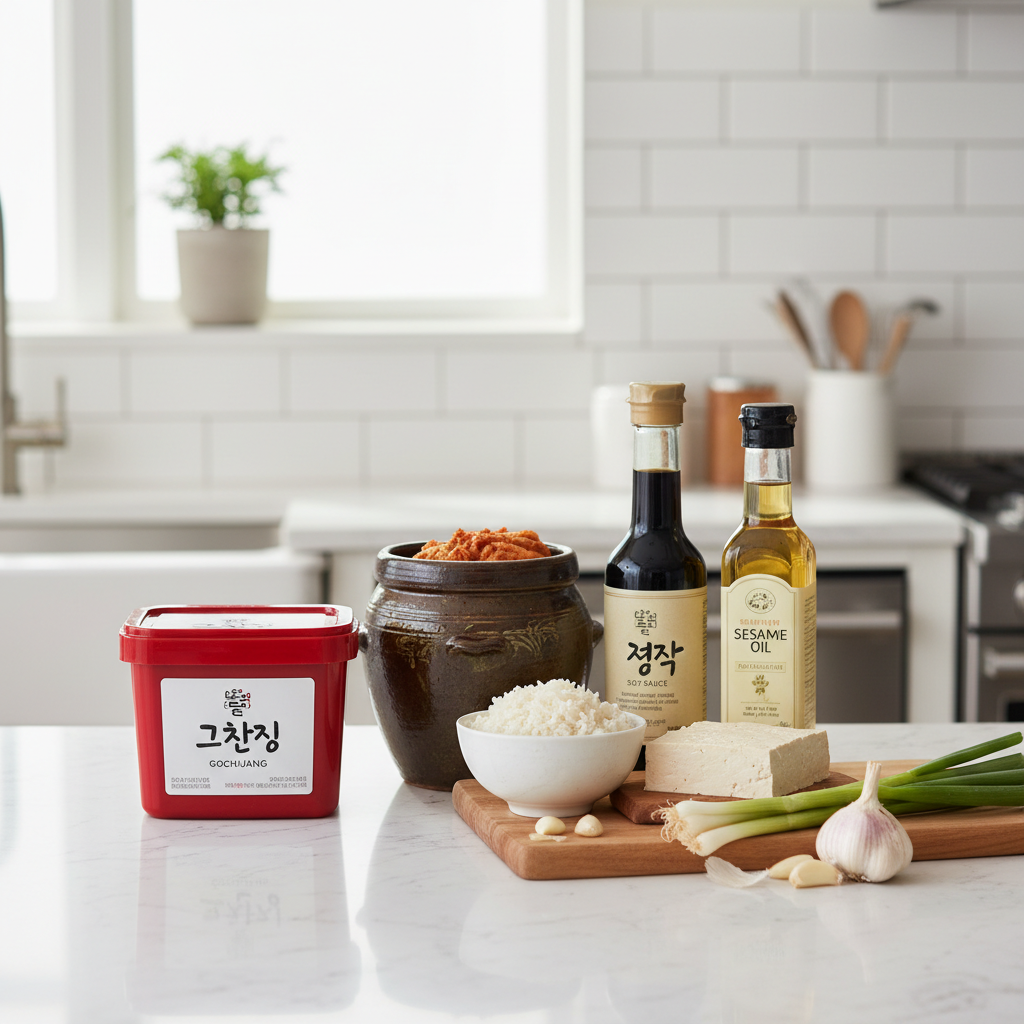
- Flavor base: soy sauce, sesame oil, garlic, scallions, gochujang (chili paste), and gochugaru (chili flakes).
- Fast cooking methods: stir-fry, simmer, and “mix and serve” bowls.
- Balance: spicy + a little sweet + savory + something tangy (often from kimchi or vinegar).
What usually trips beginners up is going too literal on ingredients, or buying ten things before cooking a single meal. Start with two sauces and one “hero” ingredient like kimchi, you can build variety from there.
Also, heat level matters. Gochujang varies by brand, so taste as you go and scale up slowly.
Your 10-item Korean pantry starter list (with easy swaps)
You don’t need a fully stocked Korean market haul. This list covers most simple korean food recipes you’ll see online, and each item has a practical substitute for U.S. kitchens.
| Staple | Why it matters | Easy substitute (if needed) |
|---|---|---|
| Gochujang | Spicy-sweet backbone for sauces | Sriracha + a little miso + sugar (not identical, still tasty) |
| Soy sauce | Salty, savory base | Tamari for gluten-free |
| Sesame oil | Nuttiness, finishing aroma | Toast sesame seeds + neutral oil in a pinch |
| Rice vinegar | Quick tang for sauces and pickles | Apple cider vinegar (use slightly less) |
| Garlic + scallions | Everyday fragrance | Garlic powder + yellow onion when you’re out |
| Gochugaru | Chili warmth, color | Crushed red pepper flakes (often hotter) |
| Brown sugar or honey | Rounds spicy and salty flavors | Maple syrup |
| Toasted sesame seeds | Crunch + aroma | Skip if you must, but you’ll miss it |
| Short-grain rice | Texture for bowls | Jasmine rice, slightly less sticky |
| Kimchi | Instant tang, funk, crunch | Quick cucumber pickle when kimchi isn’t available |
According to USDA Food Safety and Inspection Service, perishable foods like cooked rice and cooked meats should be cooled and refrigerated promptly, and reheated safely, so plan for leftovers like you would with any home meal.
6 simple Korean food recipes you can actually make on a weeknight
These are the “friendly” dishes I point beginners to because they forgive substitutions and don’t demand perfect knife skills.
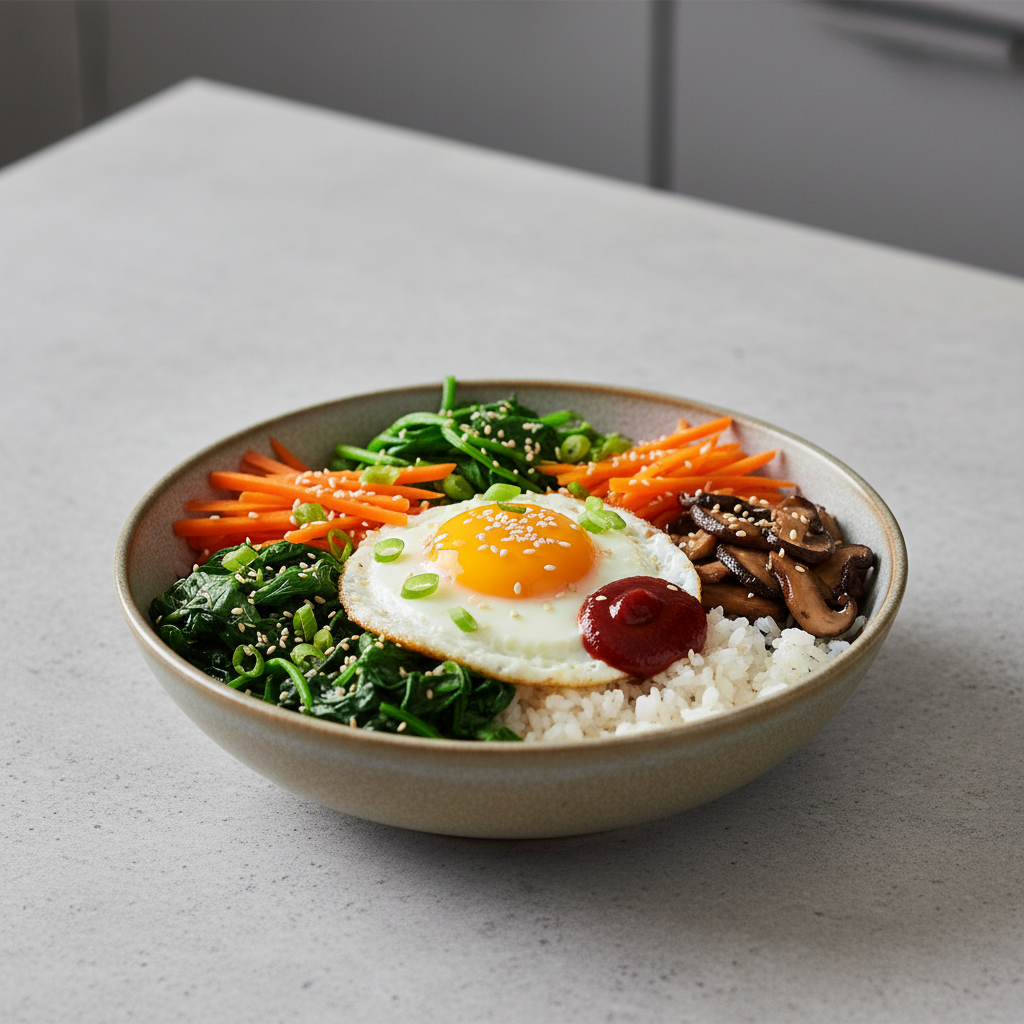
1) Bibimbap-style rice bowls (choose-your-own toppings)
Why it works: it’s mostly assembly, and you can use whatever vegetables you already have.
- Base: warm rice
- Toppings: sautéed spinach, shredded carrots, mushrooms, cucumber, leftover chicken or tofu, fried egg
- Quick sauce: 1 tbsp gochujang + 1 tsp sesame oil + 1 tsp vinegar + 1 tsp honey + splash of water
Key move: keep each topping simple and lightly seasoned, then let the sauce do the heavy lifting.
2) Kimchi fried rice (the fastest comfort meal)
This is where korean food feels like magic: one jar of kimchi turns “plain rice” into dinner.
- Sauté chopped kimchi in a little oil, add a pinch of sugar to round the acidity.
- Add cold leftover rice, press and stir until hot.
- Season with a little soy sauce, finish with sesame oil.
- Top with a fried egg, optional but highly recommended.
If you only have fresh rice, spread it on a sheet pan for 10 minutes so it dries slightly, then fry, it clumps less.
3) Gochujang “spicy-sweet” tofu stir-fry
Good for: meatless nights that still feel hearty.
- Press tofu briefly with paper towels, cut into cubes.
- Pan-sear until golden.
- Toss in sauce: gochujang + soy sauce + garlic + a little sugar + splash of water.
- Add scallions at the end.
For a crispier texture, dust tofu lightly with cornstarch before searing.
4) Quick doenjang-style soup (a flexible “fridge soup”)
Doenjang is Korean soybean paste, earthy and savory. If you can find it, it’s one of the best “one spoon fixes” for bland soup. If not, miso is a reasonable stand-in.
- Simmer water or light stock with zucchini, onion, and mushrooms.
- Stir in a spoon of doenjang (or miso) off the hardest boil so it dissolves smoothly.
- Add tofu, simmer gently, finish with scallions.
Keep it mild if you’re serving kids, add chili on the side instead of in the pot.
5) Korean cucumber salad (Oi muchim) in 10 minutes
This one saves weeknight meals because it gives crunch and brightness next to rice or grilled protein.
- Slice cucumbers, salt lightly for 5 minutes, then drain.
- Toss with: vinegar, a touch of sugar, gochugaru (or red pepper flakes), sesame oil, garlic, sesame seeds.
Make it less spicy by using paprika for color and adding heat at the table.
6) Korean-style scallion pancakes (Pajeon) without stress
You can keep the batter simple and still get a satisfying pancake.
- Batter: flour + water + pinch of salt (optional: egg for richness).
- Add lots of scallions, optional shrimp or sliced veggies.
- Pan-fry in a generous layer of oil until crisp on both sides.
- Dip: soy sauce + vinegar + sesame seeds + chili.
Don’t under-oil the pan, most “sad pajeon” comes from trying to skillet-fry it like a crepe.
Quick self-check: which recipe should you start with?
If you’re staring at this list thinking, “Okay, but what’s easiest for me,” use this quick sorting guide.
- I have leftover rice → kimchi fried rice
- I want a healthier bowl → bibimbap-style bowls
- I’m cooking vegetarian → gochujang tofu or doenjang-style soup
- I need a side dish fast → cucumber salad
- I want something crispy → scallion pancakes
One more honest note: if spice makes you nervous, start with soup or pancakes, then work up to gochujang-based sauces.
Practical tips for shopping and meal prep in the U.S.
To keep korean food nights from becoming expensive, decide whether you’re building a pantry or just making one dish.
- One-dish plan: buy kimchi + sesame oil + gochujang, then use regular soy sauce and produce from your usual store.
- Starter pantry plan: add gochugaru and doenjang next time, they unlock more variety.
- Protein strategy: tofu, eggs, and ground pork or chicken tend to fit Korean flavors well and cook quickly.
- Veg strategy: spinach, carrots, zucchini, mushrooms, cabbage keep showing up across recipes, so they rarely go to waste.
Common mistakes (and how to avoid bland or overly spicy results)
- Using sesame oil like a cooking oil: it burns easily and turns bitter, cook with neutral oil, then finish with sesame oil.
- Dumping in gochujang without tasting: brands vary, start small, loosen with water, then adjust.
- Skipping sweetness entirely: many sauces need a touch of sugar or honey to balance heat and salt.
- Overcrowding the pan: vegetables steam and go limp, cook in batches when needed.
- Assuming kimchi is always “ready”: it keeps fermenting, older kimchi is often better for fried rice, fresher kimchi works nicely as a side.
If you have dietary restrictions or health concerns around sodium, spice, or fermentation, it may help to adjust sauces and portion sizes, and in many cases it’s sensible to check with a healthcare professional.
Key takeaways (save this before you cook)
- Start with 2-3 staples, you don’t need an entire Korean pantry on day one.
- Use one “hero” flavor per meal, kimchi or gochujang usually does the job.
- Bowls and fried rice are the easiest entry point for most beginners.
- Taste and adjust, especially spice and sweetness, small changes matter.
Conclusion: make one recipe this week, then build from there
Once you cook a couple of these, korean food starts to feel less like a special project and more like a reliable weeknight option, warm rice, a bold sauce, and one good side dish can carry you far.
If you want a simple next step, pick either kimchi fried rice or bibimbap-style bowls, buy only what that recipe needs, and keep notes on what you’d tweak next time.
FAQ
What is the easiest Korean food to make for beginners?
Kimchi fried rice and bibimbap-style bowls are usually the most forgiving because you can use leftovers and swap vegetables without ruining the dish.
Do I need gochujang to cook Korean food at home?
Not always. You can make plenty of Korean-inspired meals with soy sauce, garlic, sesame oil, and vinegar, gochujang just adds that signature spicy-sweet depth.
Where can I buy Korean ingredients in the U.S.?
Many larger grocery stores carry kimchi, sesame oil, and sometimes gochujang in the international aisle. Korean markets usually have better variety and clearer heat-level options.
Is kimchi fried rice very spicy?
It depends on the kimchi and whether you add extra chili. You can keep it mild by using less kimchi juice and skipping additional gochujang or chili flakes.
What protein works best with simple Korean recipes?
Eggs, tofu, ground pork, thin-sliced beef, and chicken thighs tend to absorb sauces well and cook quickly, which fits most home-style Korean meals.
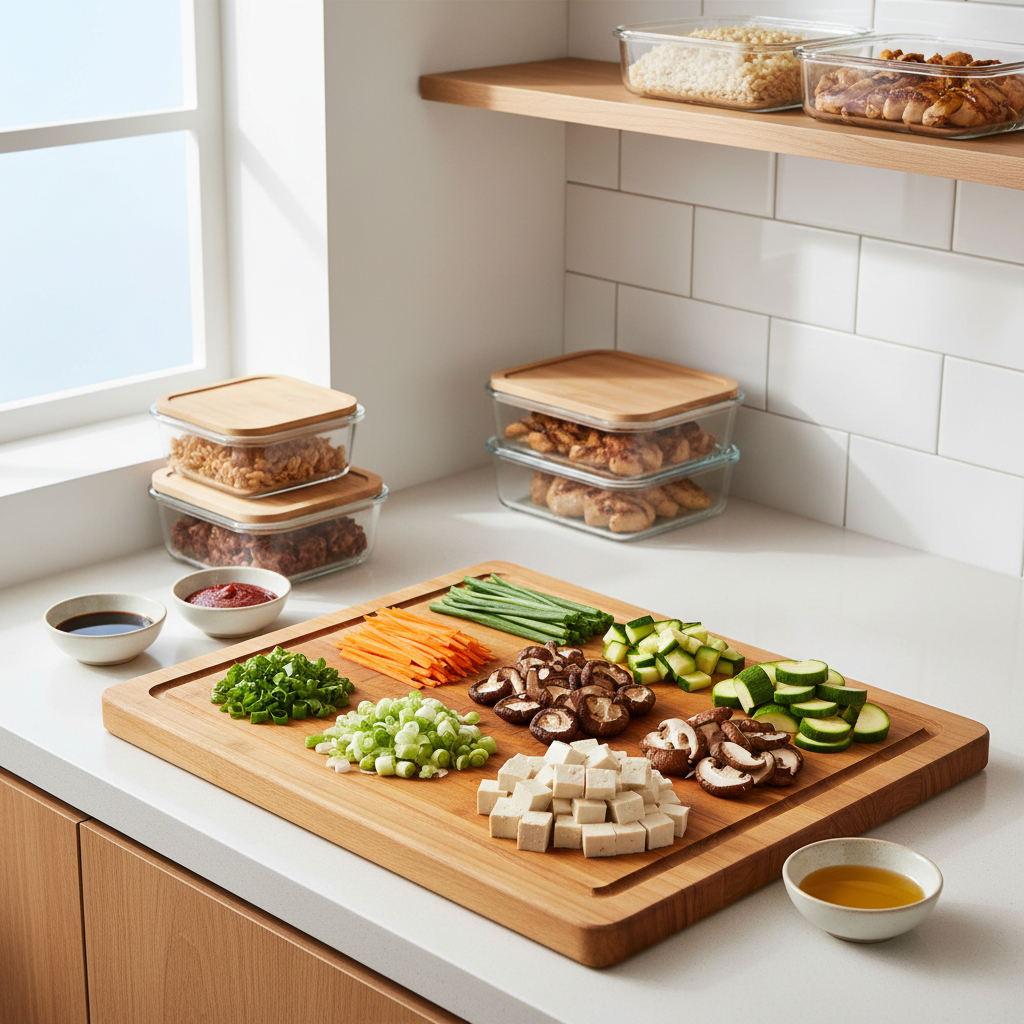
Can I meal prep Korean food for the week?
Yes, bowls work especially well. Prep rice and a few vegetable toppings, store sauce separately, and assemble in minutes, just handle leftovers with basic food safety habits.
How do I make Korean sauces taste less salty?
Use a splash of water, add a touch of sweetness, and increase fresh elements like cucumber, greens, or scallions. If you’re sensitive to sodium, consider lower-sodium soy sauce.
What’s a good non-spicy Korean side dish?
Light cucumber salad with minimal chili, steamed spinach with sesame oil, or simple roasted seaweed with rice are common gentle options.
If you’re cooking Korean-style dinners regularly and want a more plug-and-play approach, it can help to build a small pantry list and a repeatable weekly plan so you’re not reinventing your shopping cart every time.