
how to cook cabbage healthy tasty usually comes down to two things most people skip, smart prep and the right cooking time, because cabbage turns from crisp and sweet to limp and funky faster than you think.
If you have a history with cabbage that smells like a cafeteria, you are not alone, overcooking is common, and it also dulls the flavor so people reach for heavier sauces to “fix” it.
This guide keeps it practical, you will get a quick method picker, a few reliable seasoning paths, and small technique tweaks that make cabbage taste like something you actually want on repeat.
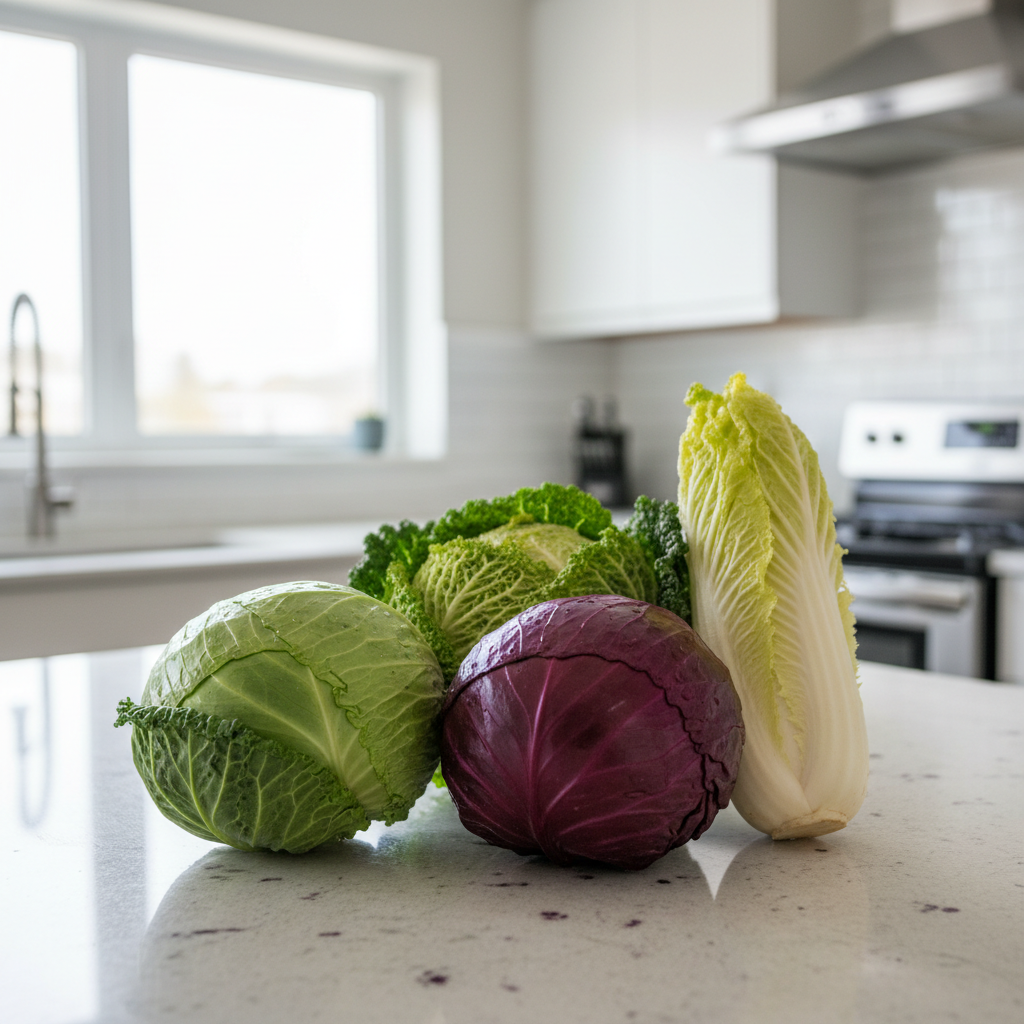
Pick the right cabbage for the job (it matters more than people admit)
Not all cabbage cooks the same, and if you start with the wrong type, even a “perfect” recipe can land flat.
- Green cabbage has the most all-purpose crunch, great for sautéing, roasting, and quick braises.
- Savoy cabbage has softer, crinkly leaves that turn silky fast, ideal for quick sautés and gentle braises.
- Red cabbage stays firmer and looks great, but it can taste peppery, it shines roasted or lightly braised with acid.
- Napa cabbage feels lighter and sweeter, it cooks quickly, perfect for stir-fries and soups.
Shopping clue, heavier heads often mean denser leaves and better texture, while loose, spongy heads tend to cook up mushy.
Why cabbage turns soggy or smelly (and how to prevent it)
The “cabbage smell” problem is real, and it tends to show up when sulfur compounds get pushed too far by heat and time. You do not need fear, you need control.
- Overcooking is the main culprit, longer heat breaks down cell walls and releases stronger aromas.
- Crowding the pan steams cabbage instead of browning it, so you lose sweetness and gain softness.
- Not enough salt early can leave cabbage tasting flat, then people compensate with heavy fats later.
- No acid or aromatics makes the flavor feel one-note, a splash of lemon or vinegar often changes everything.
According to the USDA, vegetables are part of a healthy eating pattern, and cooking methods can affect nutrients and added ingredients, so your technique choice matters, not just the vegetable itself.
Quick self-check: which cooking method fits your weeknight?
If you want how to cook cabbage healthy tasty without overthinking, use this quick chooser based on your goal and time.
| Goal | Best method | Time | Texture | Flavor profile |
|---|---|---|---|---|
| Fast side dish | Sauté | 8–12 min | Tender-crisp | Garlicky, lightly sweet |
| Deep caramel flavor | Roast | 20–35 min | Crisp edges | Nutty, browned |
| Comfort-food bowl | Quick braise | 15–25 min | Silky-soft | Rich, savory |
| Light meal starter | Soup | 20–40 min | Soft | Clean, broth-forward |
| Meal prep base | Stir-fry | 6–10 min | Snappy | Bold, saucy |
A small but important note, if you are managing a health condition that requires a specific diet, it is reasonable to check with a registered dietitian or clinician before making big changes.
The 10-minute healthy sauté (the reliable default)
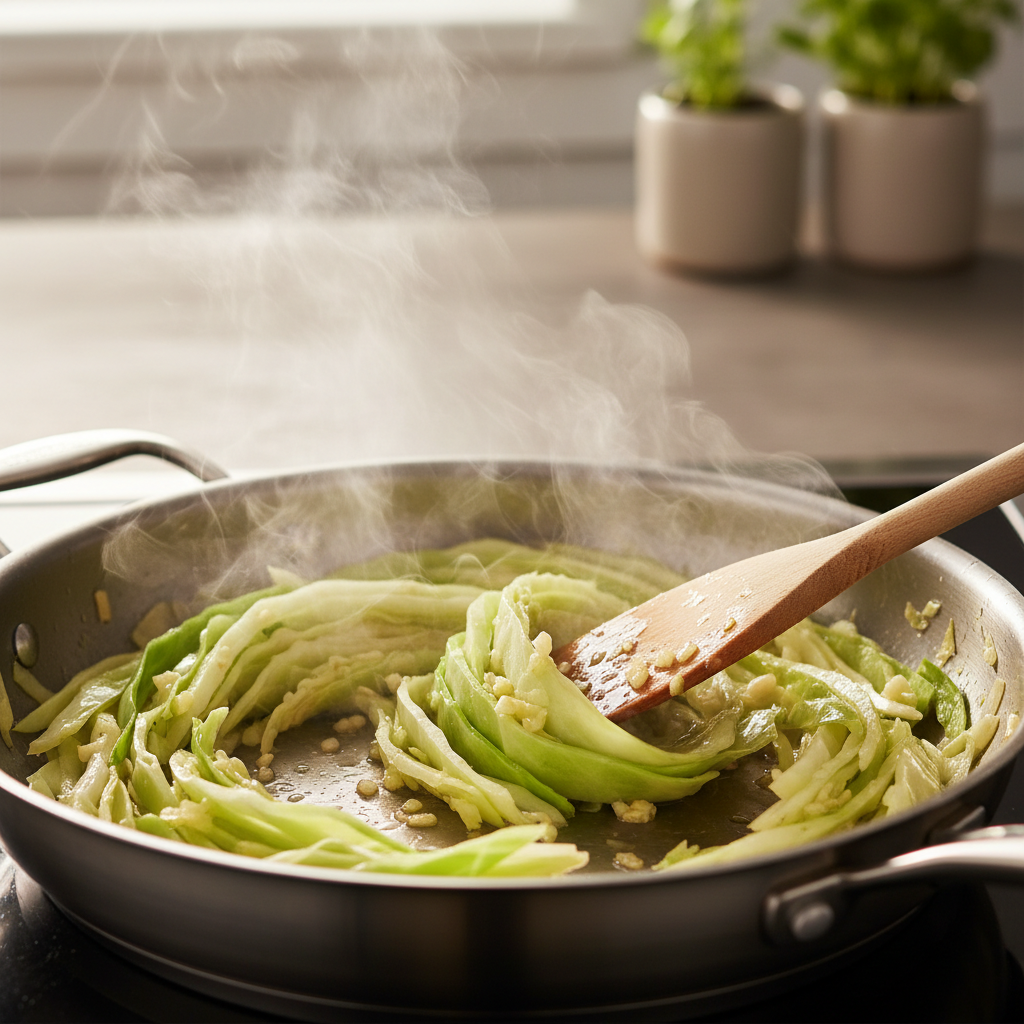
If someone asks me for a baseline how to cook cabbage healthy tasty method, sauté wins because it is quick, forgiving, and works with almost any seasoning direction.
What you need
- 1 small head green or savoy cabbage, sliced into 1/2-inch ribbons
- 1–2 tablespoons olive oil or avocado oil
- 2 cloves garlic, thin-sliced or minced
- Salt, black pepper
- 1–2 teaspoons lemon juice or apple cider vinegar
How to do it
- Heat a wide skillet on medium-high, add oil, then add cabbage in a single layer as much as possible.
- Let it sit 60–90 seconds before stirring, that early contact helps browning.
- Add garlic once the cabbage starts softening, garlic can burn if it goes in too early.
- Cook until tender-crisp, often 6–10 minutes depending on cut size, then salt and pepper.
- Finish with lemon or vinegar off-heat, taste, then adjust.
Key point, a wide pan matters more than extra oil, if your cabbage steams, you will chase flavor all night.
Roasting cabbage for big flavor with minimal effort
Roasting works when you want a “wow” side dish without babysitting a skillet, and it is an easy way to make cabbage taste sweet and nutty.
Two easy roast styles
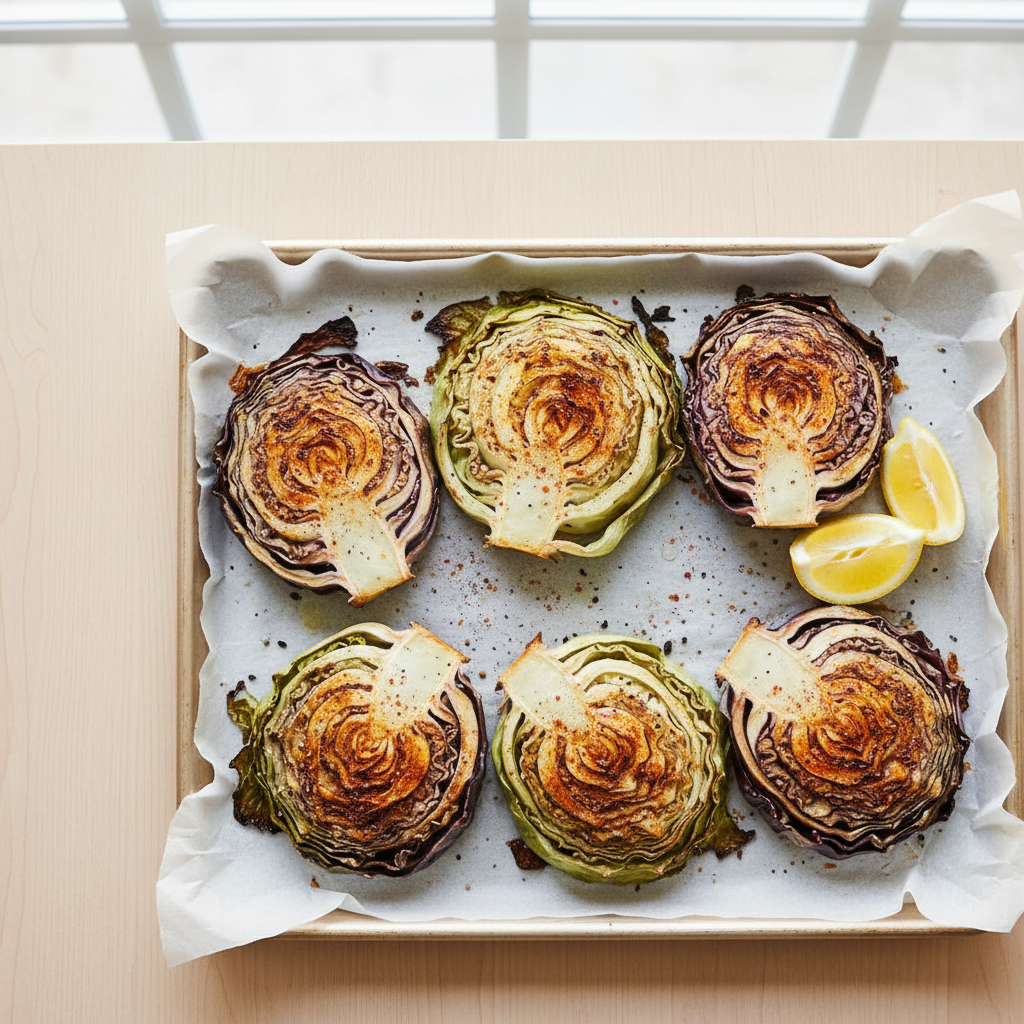
- Wedges, slice into 6–8 wedges, keep the core so they hold together, brush lightly with oil.
- Shredded sheet-pan, spread ribbons in a thin layer for more browned edges, stir once halfway.
Temperature and timing
- 425°F is a practical default for browning.
- Wedges often take 25–35 minutes, shredded cabbage often takes 15–25 minutes.
Seasoning idea that rarely misses, salt, pepper, smoked paprika, then finish with a little vinegar or mustard. That acid at the end keeps it lively.
Flavor paths that stay “healthy” without tasting like punishment
Healthy does not mean plain, it often means using strong, low-calorie flavor builders so you do not need to drown the dish in cheese or sugary sauces.
- Mediterranean: olive oil, garlic, lemon, oregano, optional chopped olives.
- Asian-inspired: toasted sesame oil (use lightly), ginger, garlic, low-sodium soy sauce, rice vinegar.
- Tex-Mex: cumin, chili powder, lime, cilantro, add black beans for a bowl meal.
- Comfort savory: onions, caraway seeds, apple cider vinegar, a little broth for a quick braise.
According to the American Heart Association, limiting sodium can be helpful for many people, so if you lean on soy sauce or broth, choosing lower-sodium versions can be a simple upgrade.
Practical meal ideas: make cabbage the base, not an afterthought
Most people say they want how to cook cabbage healthy tasty, but what they really need is “how do I use it so it does not rot in the crisper.” These setups make cabbage disappear in a good way.
- Taco bowl: sautéed cabbage + seasoned chicken or tofu + salsa + avocado, crunchy and filling.
- Egg roll skillet: ground turkey or tempeh + cabbage + ginger + garlic, finish with rice vinegar.
- Warm salad: roasted cabbage + chickpeas + tahini-lemon dressing, add pumpkin seeds.
- Soup shortcut: sauté onion, add cabbage and broth, simmer until tender, finish with herbs.
Key takeaway, pair cabbage with protein and an acidic element, that combo makes it feel like dinner, not “a side I should eat.”
Common mistakes (and what to do instead)
- Mistake: washing after slicing then not drying. Fix: pat dry or spin, extra water encourages steaming.
- Mistake: salting too early in a crowded pan. Fix: give it space, then salt when it starts to soften.
- Mistake: using only butter. Fix: mix a small amount of butter for flavor with olive oil for higher-heat cooking, if that fits your diet.
- Mistake: cooking red cabbage like green. Fix: red often likes a touch more time plus acid to balance its bite.
- Mistake: skipping tasting at the end. Fix: finish and taste, then adjust salt, acid, and heat.
If you are sensitive to cruciferous vegetables or you notice digestive discomfort, smaller portions, gentler cooking, and talking with a healthcare professional can be a reasonable next step.
Simple action plan: your next two cabbage meals
Tonight, pick the 10-minute sauté, keep the pan wide, finish with lemon. Next time, roast wedges at 425°F and use a bold spice plus vinegar finish. That two-step pattern covers most cravings and keeps prep easy.
If you want this to stick, write down one seasoning path you genuinely like, then buy cabbage with a plan for a second use, soup or a skillet bowl, so nothing goes to waste.