
How to make lauki ki sabzi bottle gourd is mostly about two things, choosing a tender gourd and managing moisture so the curry stays flavorful instead of watery.
If you have ever cooked bottle gourd and ended up with a pale, soft dish that tastes like “healthy but sad,” you are not alone, lauki is mild by nature, so your spices and technique do the heavy lifting.
This guide walks you through a reliable, everyday North Indian style lauki sabzi, plus small upgrades for better texture, stronger flavor, and easy meal prep, without turning it into a complicated project.
What lauki sabzi tastes like and why it can go wrong
Lauki, also called bottle gourd, cooks into a soft, almost zucchini-like texture, with a gentle sweetness, which is why it pairs well with cumin, turmeric, coriander, and a tomato-onion base.
But the same mildness makes mistakes obvious, too much water, too little sautéing, or under-seasoning can leave you with a thin, bland curry.
- Watery curry: lauki releases a lot of moisture, especially if you cover it too early.
- Flat flavor: spices need a little frying time in oil, and onions need enough browning for depth.
- Mushy texture: overcooking happens fast, particularly with young gourds.
Ingredient checklist (and smart substitutes for US kitchens)
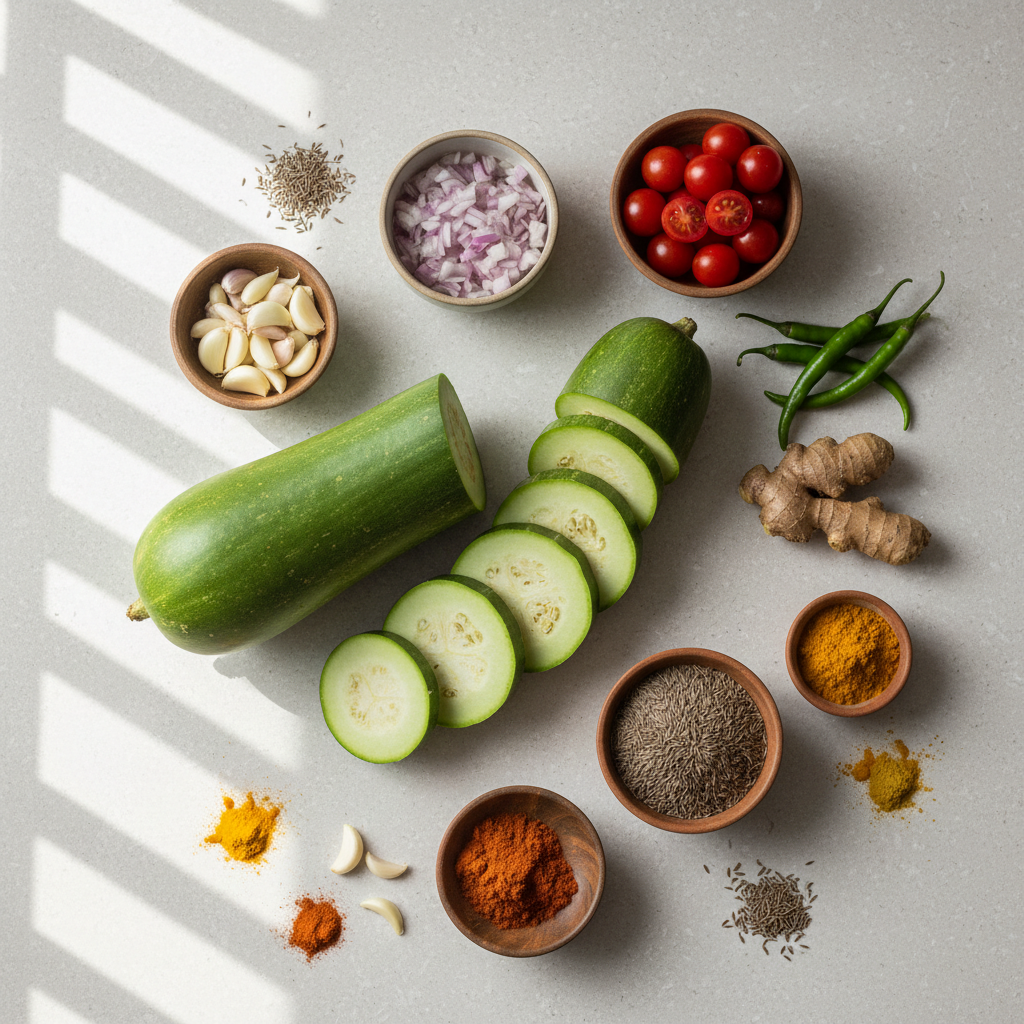
You can make a very legit version with standard US grocery items plus a small Indian spice set, if you have access to an Indian store you get even better results with fresh curry staples.
Core ingredients
- 1 medium bottle gourd (lauki), about 1.5–2 lb
- 2 tbsp neutral oil (avocado, canola, grapeseed)
- 1 tsp cumin seeds
- 1 medium onion, finely chopped
- 2 medium tomatoes, chopped (or 1 cup crushed tomatoes)
- 1 tsp ginger-garlic paste (or 1 tsp grated ginger + 2 minced garlic cloves)
- 1–2 green chilies, slit (optional)
- Spices: 1/2 tsp turmeric, 1.5 tsp coriander powder, 1/2–1 tsp red chili powder, salt
- 1/2 tsp garam masala (finish)
- 2 tbsp chopped cilantro (finish)
Optional upgrades
- Kasuri methi (dried fenugreek leaves), 1 tsp crushed for a restaurant-style aroma
- Amchur (dry mango powder) or lemon juice for brightness
- Green peas or chickpeas for extra body
How to choose, prep, and cut bottle gourd
Pick lauki that feels firm, not spongy, with smooth skin and a heavier feel for its size, those usually cook up sweeter and less seedy.
Peel it, then taste a tiny raw piece if you are unsure, if it tastes bitter, it is safer to discard it and start with a new one, bitterness can signal compounds that some people may react to.
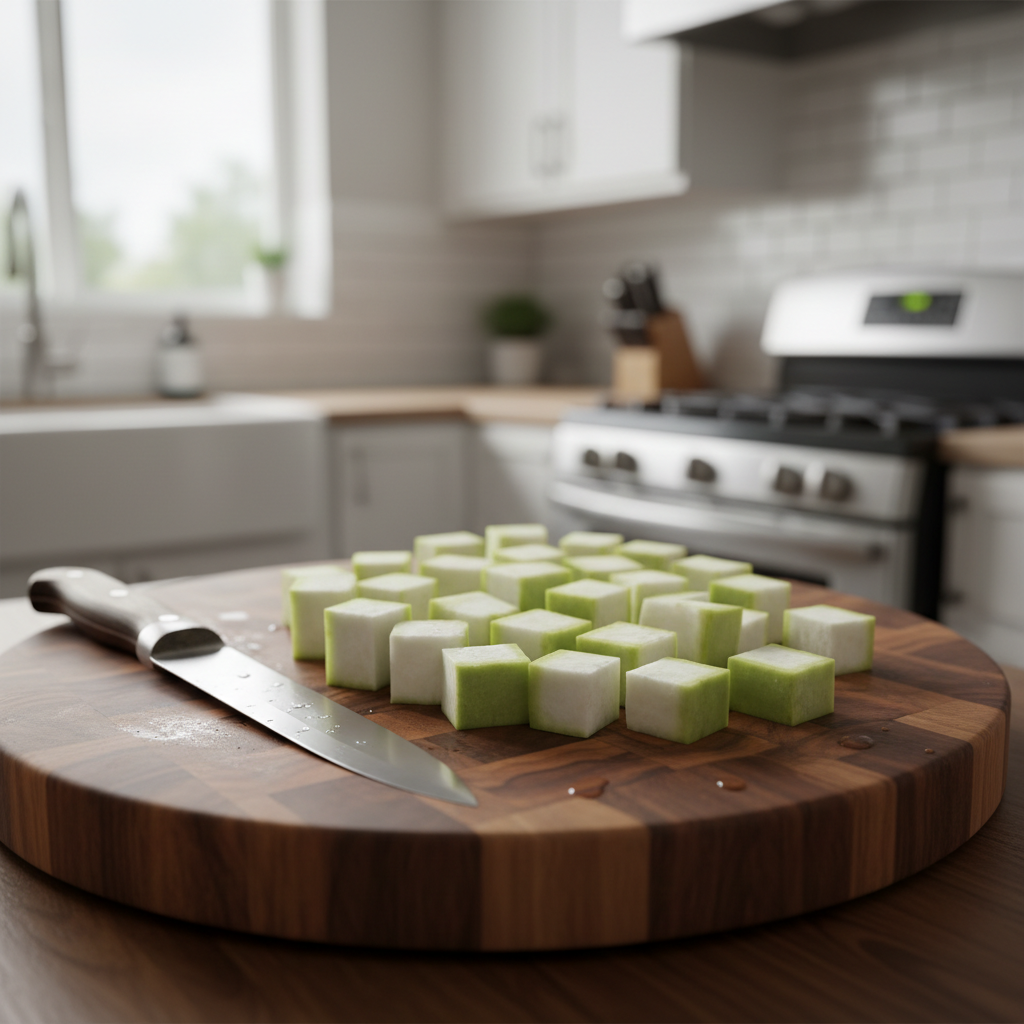
- Cut into small cubes (about 1/2 inch) for faster cooking and better spice coverage.
- If the center looks very seedy, scoop out the spongy core.
- Do not salt the lauki during prep, salting early can draw water out before cooking.
Step-by-step: how to make lauki ki sabzi bottle gourd (stovetop)
This is the version most people mean when they search how to make lauki ki sabzi bottle gourd, a simple onion-tomato masala, lauki cooked until tender, finished with garam masala and cilantro.
1) Build the base masala
- Heat oil in a pan on medium heat, add cumin seeds and let them sizzle for 10–15 seconds.
- Add onion with a pinch of salt, cook until translucent, then lightly golden, 6–9 minutes.
- Add ginger-garlic and green chili, cook 30–60 seconds, just until the raw smell fades.
2) Cook tomatoes and spices properly
- Add tomatoes, cook until they soften and look jammy, 5–7 minutes.
- Add turmeric, coriander powder, and red chili powder, stir and cook 30–45 seconds, add a splash of water if it sticks.
3) Add lauki and manage moisture
- Add lauki cubes, stir to coat in masala, cook uncovered for 3–4 minutes.
- Cover and cook on low, stirring every few minutes, until tender, usually 10–15 minutes.
- If it looks dry, add 2–4 tbsp water, not a full cup, lauki will release more as it cooks.
4) Finish and adjust
- Turn heat to medium for 1–2 minutes if you want a thicker sabzi.
- Add garam masala, crushed kasuri methi if using, then cilantro.
- Taste and balance: salt, a squeeze of lemon, or a pinch of sugar if tomatoes taste sharp.
Cooking time and texture guide (quick table)
If your lauki sabzi keeps swinging between watery and mushy, use this as a simple control panel.
| What you want | Cut size | Heat + lid | Typical time | Best tip |
|---|---|---|---|---|
| Dry-ish sabzi (less gravy) | Small cubes | Low, lid on, finish uncovered | 12–18 min | Add water in tablespoons, not cups |
| Light curry (some gravy) | Medium cubes | Low, lid on | 15–20 min | Add 1/4 cup water after coating in masala |
| Very soft, stew-like | Large chunks | Low, lid on | 20–30 min | Use less stirring to avoid breaking pieces |
Easy variations Americans tend to like (without losing the Indian feel)
Once you nail the basic method, small swaps keep it interesting, and you can steer it toward comfort food or higher protein depending on what dinner needs.
- Lauki chana sabzi: add 1 cup cooked chickpeas in the last 5 minutes, it makes the gravy feel fuller.
- Peas and lauki: stir in 3/4 cup frozen peas near the end, no need to thaw.
- Creamy finish: add 2 tbsp plain yogurt off heat, stir gently, keep it low so it does not split.
- Spicier profile: add 1/2 tsp roasted cumin powder and a pinch of cayenne at the end.
Common mistakes (and the fixes that actually work)
Most “bad lauki sabzi” comes from a couple predictable missteps, the good news is they are easy to correct once you see them.
- Pouring in too much water early: start dry, cover, then add small splashes only if needed.
- Not cooking the masala long enough: onions and tomatoes need time, otherwise the dish tastes raw and thin.
- Adding garam masala too early: it is a finishing spice, earlier cooking can dull the aroma.
- Overcrowding the pan: if you double the recipe, use a wider pot so moisture can evaporate.
Key takeaway: treat lauki like a moisture-heavy vegetable, your job is to concentrate flavor before it releases water, not after.
Serving, storage, and food-safety notes
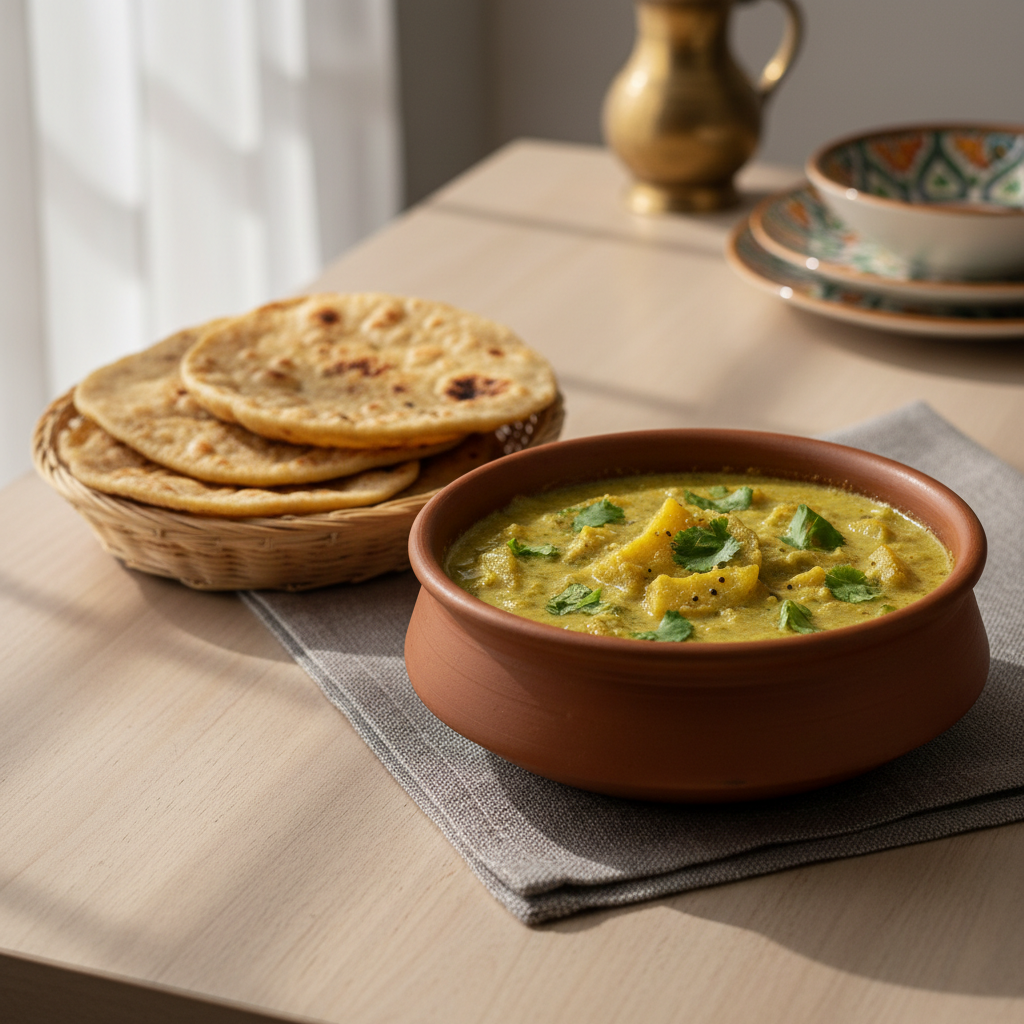
Lauki sabzi tastes best with roti, paratha, or steamed rice, and a simple side like cucumber salad or plain yogurt keeps the meal balanced.
For storage, cool it quickly and refrigerate in a sealed container, it usually reheats well over low heat with a splash of water if it thickens. According to USDA Food Safety and Inspection Service, cooked foods should not sit at room temperature longer than 2 hours, or 1 hour if the temperature is above 90°F.
- Fridge: commonly 3–4 days, if it smells off or tastes sour beyond the tomato tang, skip it.
- Freezer: texture can turn softer after thawing, but it still works for weeknight meals.
Practical tips if you are new to Indian cooking
If you do not cook Indian food often, the hardest part is not “exotic ingredients,” it is learning what cooked masala looks like and trusting your nose.
- When cumin hits hot oil, it should smell nutty within seconds, if it burns, lower heat and restart.
- Tomatoes are ready when oil starts to separate at the edges and the mixture looks thicker.
- Salt in layers: a pinch with onions, then adjust at the end, it prevents blandness.
- If you are sensitive to heat, keep chili powder low and add black pepper for warmth instead.
Conclusion: keep it simple, but do the small steps right
When you follow the moisture control and give the onion-tomato masala enough time, how to make lauki ki sabzi bottle gourd stops being a gamble and turns into a calm, dependable dinner.
Cook the base until it smells sweet and savory, add lauki without flooding the pan, then finish with garam masala and cilantro, that sequence matters more than chasing a long ingredient list.
If you want to improve just one thing next time, make it this: keep the lid on for tenderness, then take it off at the end to tighten the gravy and concentrate flavor.