
How to cook salmon in pan easy usually comes down to three things people miss, a hot pan, dry fish, and leaving it alone long enough to sear.
If your salmon keeps sticking, breaking apart when you flip, or turning chalky in the middle, you are not “bad at cooking”, you are just fighting basic heat and moisture rules. Pan-searing can be fast and weeknight-friendly, but it does ask for a little setup.
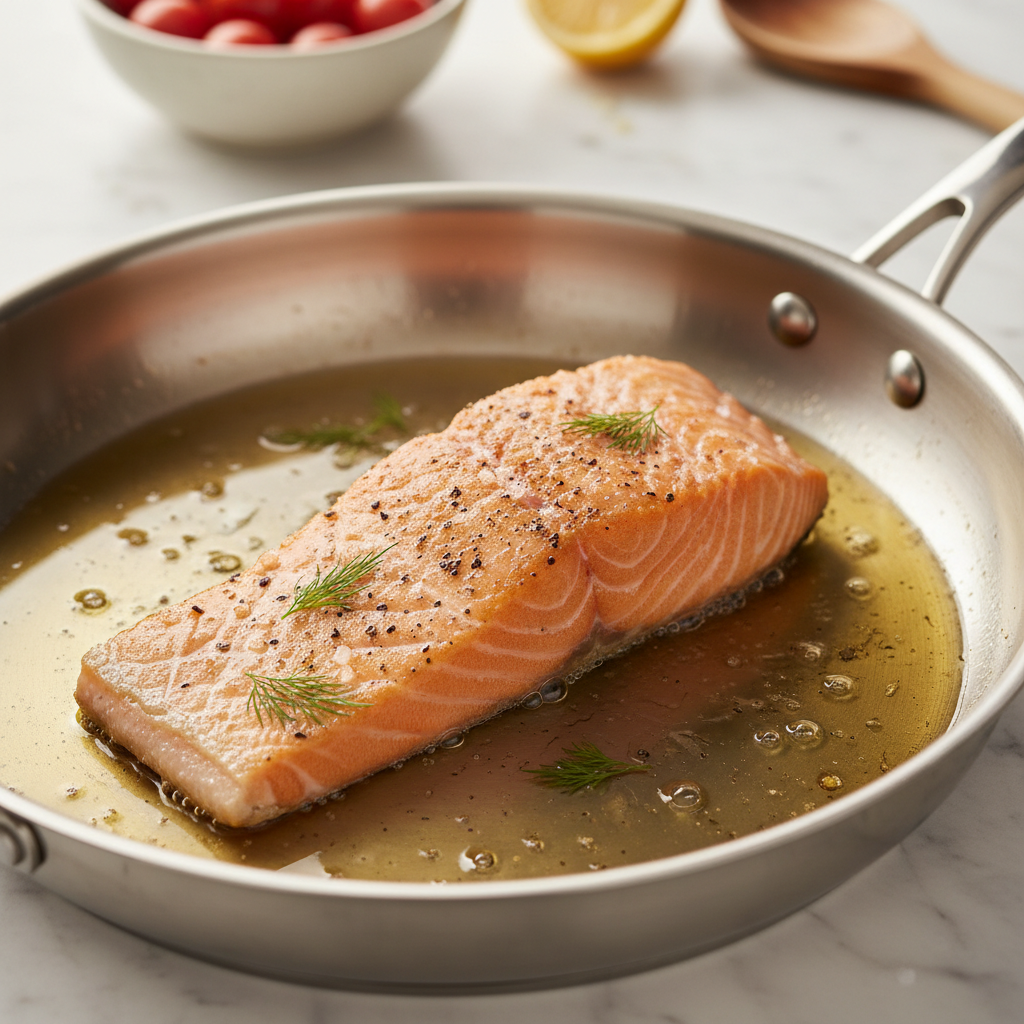
This guide focuses on what actually matters, what pan to use, how to tell when the fish releases, simple doneness targets, and a few variations so you can keep dinner interesting without getting complicated.
What makes pan-seared salmon “easy” (and what makes it go wrong)
The “easy” part is real, salmon cooks quickly, and you only need salt, pepper, oil, and a lemon to make it taste like something you would pay for. The hard part is that salmon is delicate, and most mistakes show up fast.
- Sticking: pan not hot enough, fish still wet, or you tried to move it too soon.
- Dry, tight texture: heat too high for too long, or you cooked it to a very well-done center.
- Gray, pale surface instead of browning: crowded pan or moisture steaming the fish.
- Skin not crisp: skin not dried, or you started skin-side up and lost the best sear.
One more practical note, thickness matters more than weight. A thick center-cut fillet needs a different timeline than a thin tail piece, even if both are “6 ounces.”
Quick checklist: are you set up to succeed?
Before you heat the skillet, do this quick self-check. It sounds picky, but it saves most of the frustration people have when searching how to cook salmon in pan easy.
- Is the salmon mostly even thickness? If not, plan to pull thin pieces early.
- Did you pat it dry thoroughly? Paper towels, both sides, especially the skin.
- Do you have the right pan? Stainless steel or cast iron is forgiving for searing, nonstick works too but you may get less browning.
- Do you have a thin fish spatula? Helpful for clean flipping, not mandatory.
- Do you know your doneness comfort? Slightly translucent center vs fully opaque is a personal call.
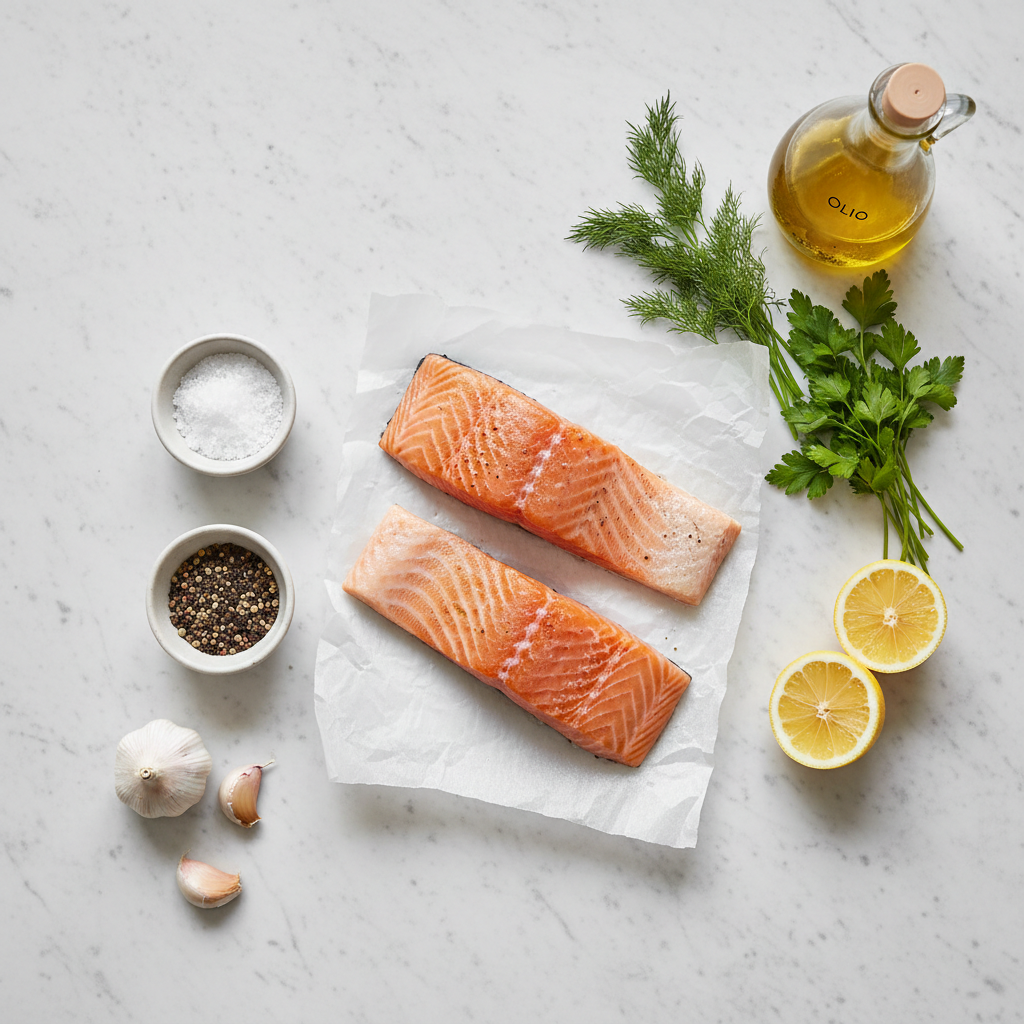
If you can say yes to the drying step and the hot pan step, you are most of the way there.
The basic method: how to pan-cook salmon in 10–15 minutes
This is the repeatable, weeknight version. It is also the most reliable way to keep salmon juicy without babying it.
Step-by-step
- 1) Bring salmon closer to room temp (optional, helpful): 10 minutes on the counter takes the chill off, which can make cooking more even.
- 2) Pat dry, then season: salt and pepper right before it hits the pan. If you want, add a light dusting of garlic powder or smoked paprika.
- 3) Preheat the pan: medium-high for stainless or cast iron. You want the oil to shimmer, not smoke aggressively.
- 4) Add oil, then salmon skin-side down: lay it away from you to avoid splatter. Press gently for 10 seconds so the skin makes full contact.
- 5) Leave it alone: cook until the color creeps up the sides and the fish releases easily when nudged, often 5–7 minutes depending on thickness.
- 6) Flip once: cook 1–3 minutes on the second side. For thicker fillets, you can reduce heat slightly after flipping.
- 7) Optional butter finish: add 1 tablespoon butter, a smashed garlic clove, and a lemon wedge to the pan, spoon over the top for 20–30 seconds.
- 8) Rest briefly: 2 minutes on a plate helps the juices settle.
Key point: if the salmon fights you when you try to lift it, it usually is not ready. Give it another 30–60 seconds, then try again.
Timing and doneness: a simple table you can trust
Cooking time depends on thickness, stove power, and pan material, so treat this as a starting point, then adjust. If you have an instant-read thermometer, you remove a lot of guesswork.
According to USDA, seafood is considered safe at an internal temperature of 145°F. Many home cooks prefer salmon slightly below that for a softer center, but if you are pregnant, immunocompromised, or cooking for someone at higher risk, you may want to follow stricter guidance and consult a qualified professional for personalized advice.
| Fillet thickness | Skin-side time (medium-high) | Second-side time | Doneness cues |
|---|---|---|---|
| About 3/4 inch | 4–5 min | 1–2 min | Mostly opaque, flakes with light pressure |
| About 1 inch | 5–7 min | 2–3 min | Opaque edges, center slightly translucent if you prefer |
| About 1 1/2 inch (thick cut) | 7–9 min | 3–5 min (lower heat if needed) | Firming sides, gentle flake, no raw line at center |
Quick doneness checks (no thermometer)
- Side view: watch the color change climb up the fillet, when it reaches about 2/3 up, you are close.
- Press test: salmon should feel springy, not squishy, not hard like jerky.
- Flake test: use a fork at the thickest point, it should separate into flakes with gentle pressure.
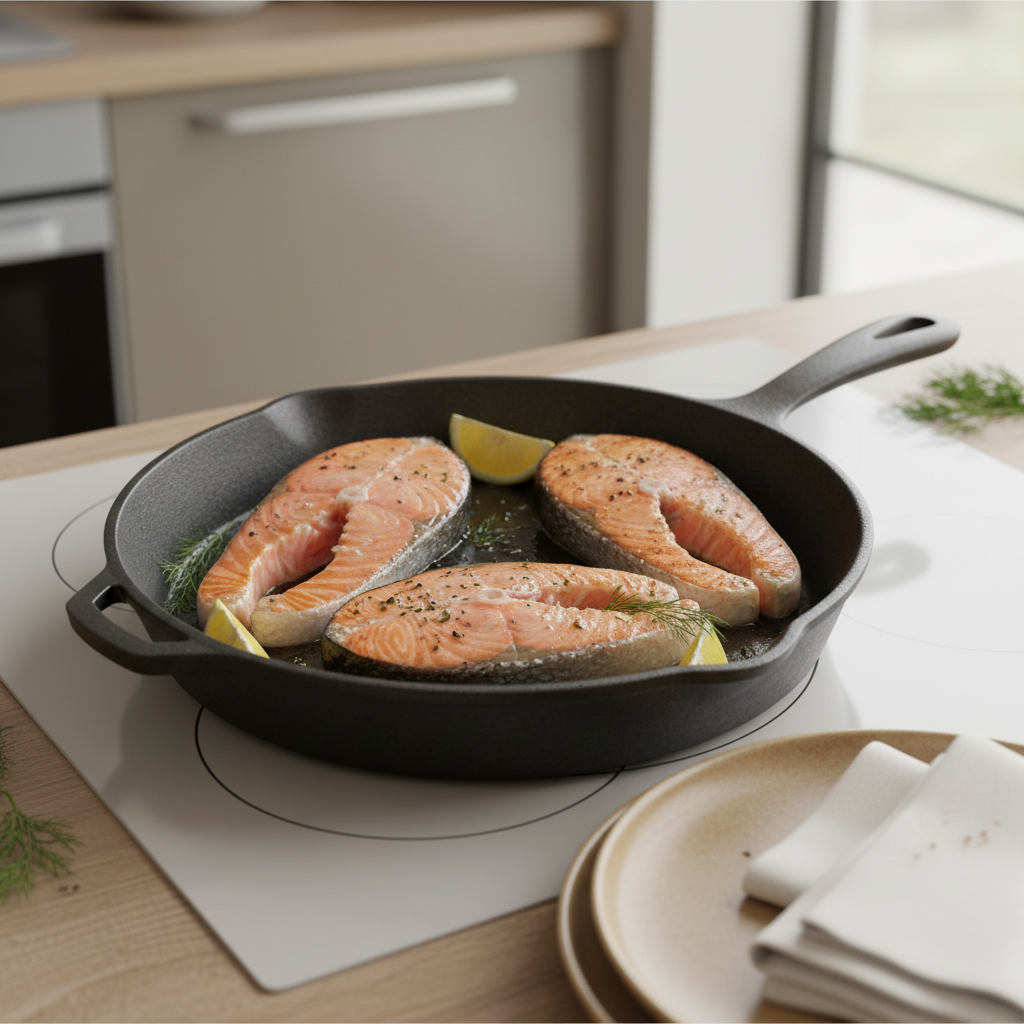
If you are trying to master how to cook salmon in pan easy, learning these cues matters more than memorizing a single minute count.
Easy flavor variations that still sear well
Marinades can be great, but sugary sauces often burn in a hot pan. A simple approach, sear first, sauce after, or keep the coating dry.
Three low-stress options
- Lemon-pepper: season with lemon zest and cracked pepper, finish with lemon juice off heat.
- Garlic-butter herb: butter-baste at the end with garlic and dill or parsley.
- Spice rub: paprika, cumin, a little brown sugar if you keep heat at medium and watch closely, add a squeeze of lime at the end.
Key takeaway: if the seasoning is wet, add it after searing, if it is dry, add it before.
Common mistakes (and quick fixes)
Most “bad salmon” is salvageable, at least enough to make a good dinner bowl or salad. Here is what to do in the moment.
- You tore the fish while flipping: patch it together, finish cooking, then serve over rice with sauce or in tacos, nobody notices.
- It is sticking badly: lower the heat slightly and wait, forcing it makes it worse. Add a teaspoon of oil around the edges if the pan looks dry.
- Outside is browning too fast: reduce heat to medium, add a small knob of butter, and give it an extra minute on the second side.
- It tastes bland: add a finishing pinch of salt and acid, lemon juice, vinegar, or a quick yogurt sauce.
- It turned dry: flake it and mix with olive oil, lemon, and herbs, use it as a protein topping instead of serving as a “perfect fillet.”
Also, if you use frozen salmon, thawing overnight in the fridge usually helps with texture and reduces water that can steam the surface. According to FDA, thawing seafood in the refrigerator is a safe method, and “room temperature thawing” can be riskier in many kitchens.
Practical serving ideas (so the effort pays off)
Pan salmon can feel fancy, but it is happiest with simple sides that do not compete. If you are cooking this on a work night, you want zero extra drama.
- Fast: bagged salad + roasted potatoes or microwave rice + lemon.
- High-protein bowl: quinoa, cucumber, cherry tomatoes, feta, olive oil, and a spoon of tzatziki.
- Comfort plate: mashed potatoes, green beans, and a quick pan sauce from butter and lemon.
- Leftovers: flake chilled salmon into scrambled eggs, pasta, or a sandwich with mayo and pickles.
Key points to remember: dry the surface, heat the pan, start skin-side down, flip once, and stop cooking a little earlier than your instinct says, carryover heat finishes the job.
Conclusion: a simple plan for next time
If you want how to cook salmon in pan easy to feel truly easy, commit to the boring parts, pat the fish dry, preheat properly, and wait for the natural release before flipping. That combo fixes sticking and improves browning almost immediately.
Pick one variation, lemon-pepper or garlic-butter, cook one or two fillets this week, and write down the thickness and timing that worked on your stove. The second attempt is usually the one that feels effortless.