
how to make salsa fresh tomato easy comes down to two things most people skip: managing tomato water and building flavor in the right order.
If you’ve ever ended up with salsa that tastes flat, looks soupy, or somehow turns bitter after a day, you’re not alone. Fresh tomato salsa is simple, but small choices like tomato type, salt timing, and how you chop matter more than fancy ingredients.
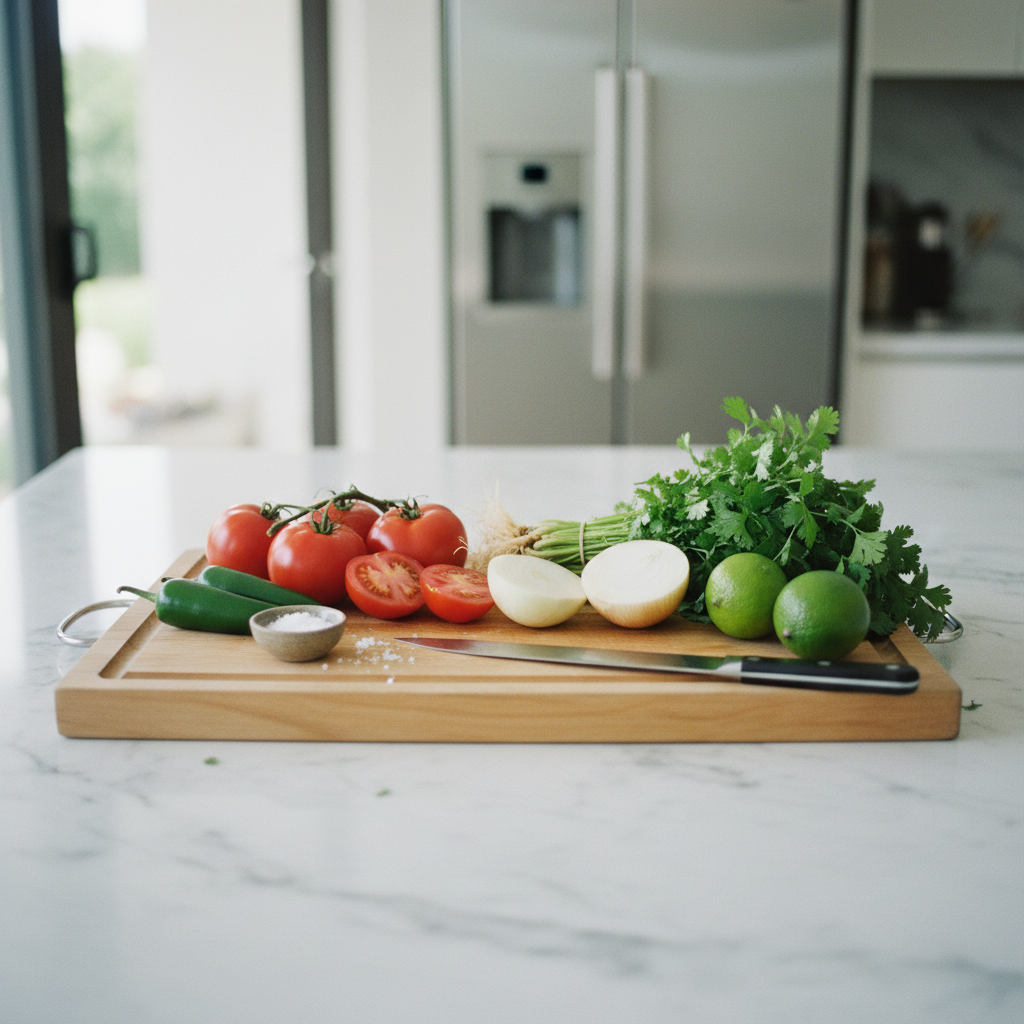
This guide keeps it practical: a reliable base recipe, a quick “is this tomato worth it?” checklist, a flavor matrix you can actually use, and fixes for the most common salsa problems. You’ll also get safe storage notes, because fresh salsa is a different game than jarred.
What “easy” fresh tomato salsa really means
Easy doesn’t mean dumping everything in a bowl and hoping for the best. It usually means you can make it in 10–15 minutes, using grocery-store ingredients, and the result tastes bright and balanced without needing a blender or cooking.
- Fast prep: minimal peeling, no roasting required (optional if you want it).
- Predictable texture: not watery, not chunky in an awkward way.
- Adjustable heat and acidity: so it works for chips, tacos, eggs, and bowls.
When people search how to make salsa fresh tomato easy, they’re often trying to avoid two outcomes: “fresh pico that leaks everywhere” and “restaurant-style salsa that tastes like tomato juice.” You can steer between those with a few simple techniques.
Ingredient choices that make or break fresh salsa
Fresh salsa doesn’t hide weak produce. If the tomatoes are bland, the salsa usually stays bland, unless you compensate with acid, salt, and a little time.
Tomatoes: pick for flavor first, water second
- Roma (plum) tomatoes: a reliable default, less watery, easy to dice.
- Vine-ripened: often more fragrant, can be juicier, still works with draining.
- Cherry/grape: surprisingly good when winter tomatoes taste like cardboard, less liquid, sweeter.
- Heirloom: amazing flavor, but often very watery, better for “spoonable” salsa or drained hard.
Onion, cilantro, lime: the freshness trio
- White onion gives bite and that classic taqueria vibe. Red onion works, but can dominate.
- Cilantro adds the “this tastes fresh” signal. If you’re cilantro-averse, try flat-leaf parsley plus extra lime zest.
- Lime does more than sourness, it lifts aroma. Bottled lime is okay in a pinch, fresh usually tastes cleaner.
Chiles: heat + flavor, not just heat
- Jalapeño: the most forgiving for beginners.
- Serrano: similar flavor, typically hotter, use less to start.
- Chipotle in adobo: smoky, great for a deeper “restaurant” style, use sparingly.
According to USDA FoodData Central, jalapeños and tomatoes contribute vitamin C and other nutrients, but salsa is still a condiment; if you have dietary needs, consider checking your overall sodium and acid intake with a licensed professional.
Quick self-check: will your salsa end up watery or flat?
Before you chop, run this quick check. It saves you from trying to “fix” salsa after it’s already soupy.
- Tomatoes feel heavy and very soft: likely extra watery, plan to drain diced tomatoes.
- Tomatoes smell like almost nothing: plan to boost with more lime, a pinch of sugar, and a 10–20 minute rest.
- Cilantro looks limp or dark at the stems: it can taste muddy, use less or replace.
- Limes are rock hard: low juice, grab a different one or add a splash of vinegar as backup.
- Onion tastes aggressively sharp raw: rinse diced onion under cold water, then drain well.
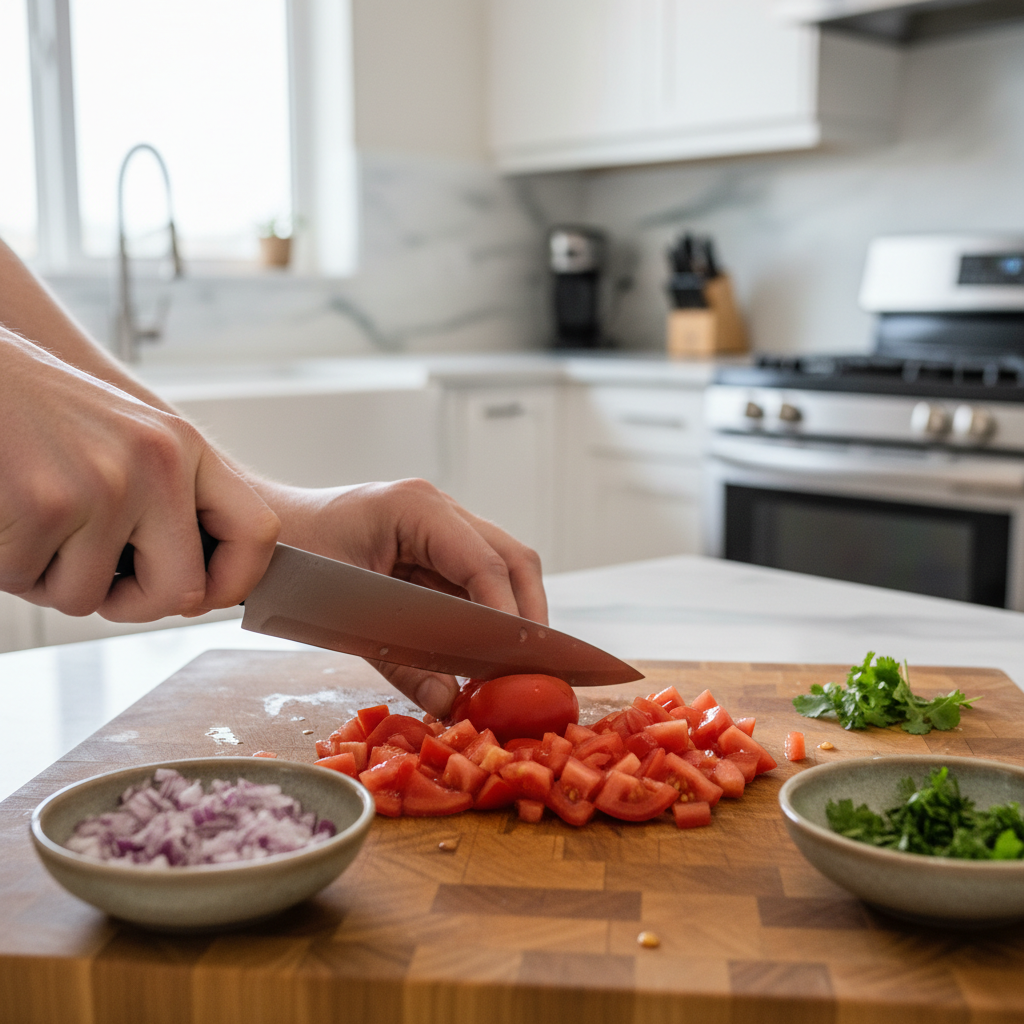
If you’re aiming for how to make salsa fresh tomato easy in a repeatable way, this step matters more than people expect: decide whether you want “chunky pico texture” or “dippable salsa texture.” The same ingredients, different cuts and draining rules.
The easy base recipe (chunky, fresh, reliable)
This is the version you can throw together on a weeknight and still feel good serving. It’s intentionally simple, and it scales well.
Ingredients (makes about 2 to 2.5 cups)
- 5–6 Roma tomatoes, diced (about 1.5 lb)
- 1/3 to 1/2 cup white onion, finely diced
- 1 jalapeño, minced (seeded for less heat)
- 1/2 cup cilantro, chopped
- 1 large lime, juiced (plus more to taste)
- 3/4 tsp kosher salt, then adjust
- 1 small garlic clove, grated or very finely minced (optional but helpful)
Method (10–15 minutes)
- Dice, then drain: put diced tomatoes in a colander, toss with a pinch of salt, let them drain 5 minutes while you chop everything else.
- Mix in a bowl: tomatoes, onion, jalapeño, cilantro, lime juice, salt, and garlic.
- Rest briefly: give it 10 minutes. Flavor needs that time to round out.
- Taste and adjust: if it’s flat, add salt; if it’s heavy, add lime; if it’s too sharp, add a tiny pinch of sugar.
Key point: Salt pulls liquid out of tomatoes quickly. Draining early keeps the final salsa bright and scoopable instead of watery.
Easy variations: pick the style you actually want
Most “failed” salsa attempts are really just a mismatch between expectation and style. Use these tweaks without changing your whole plan.
Restaurant-style (more dippable)
- Use the same ingredients, but pulse half the tomatoes with onion and jalapeño in a food processor 3–5 times.
- Fold in the remaining diced tomatoes and cilantro for texture.
- Add 1–2 tbsp water only if needed, after tasting.
Smoky and deeper
- Add 1–2 tsp minced chipotle in adobo, plus 1 tsp adobo sauce.
- Swap some lime for 1–2 tsp apple cider vinegar if you want a sharper tang.
Super mild (kid-friendly)
- Skip jalapeño, add extra cilantro and a little lime zest.
- Use a small pinch of cumin for a gentle “taco night” vibe, but keep it light.
These are all still “how to make salsa fresh tomato easy” approaches, because the workflow stays the same: control water, balance salt/acid, then let it rest.
Troubleshooting table: fix salsa fast without starting over
If your bowl doesn’t taste like you hoped, you usually don’t need a redo. You need one targeted fix.
| Problem | Why it happens | Fast fix |
|---|---|---|
| Watery / thin | Juicy tomatoes, salted too late, over-mixed | Drain 5–10 min, add diced cherry tomatoes, or fold in a spoon of finely diced onion |
| Flat / bland | Not enough salt or acid, weak tomatoes | Add salt in small pinches, more lime, tiny pinch of sugar, rest 10 min |
| Too spicy | Chile heat varies, seeds and ribs included | Add more tomato, a little extra lime, or a small amount of diced avocado |
| Too sharp (onion bite) | Onion too strong or cut too big | Rinse diced onion and drain, or add more tomato and a pinch of sugar |
| Metallic/bitter after a day | Over-processed cilantro, long storage, reactive container | Stir in fresh cilantro right before serving, store in glass, refresh with lime |
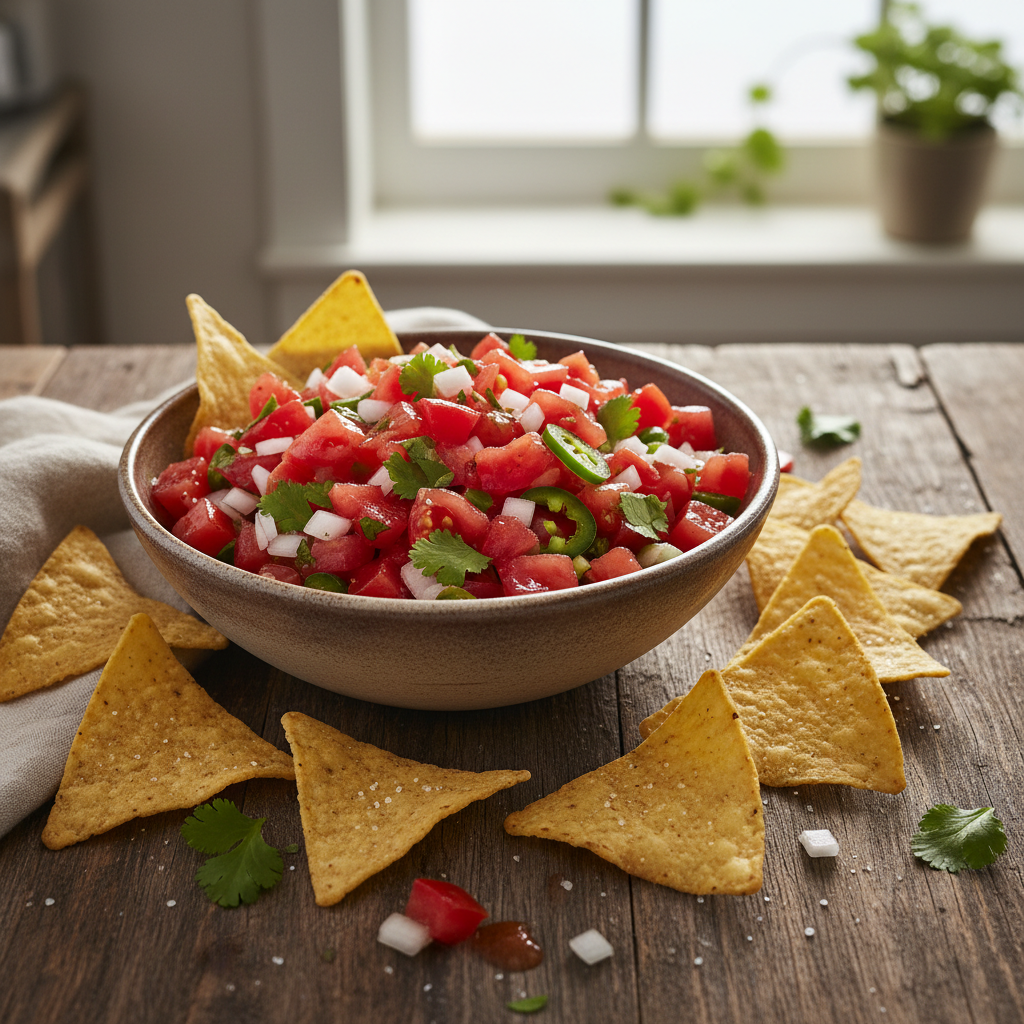
One more thing people miss: if you keep tasting immediately after each add-in, flavors can feel disjointed. Give the bowl a short rest, then decide.
Practical prep tips that keep it “easy” every time
This is the unsexy part, but it saves time and makes results consistent.
- Cut matters: smaller dice reads “more salsa” on chips, bigger dice reads “more salad” on tacos.
- Use a microplane for garlic: it disappears into the salsa without harsh chunks.
- Keep cilantro dry: wet herbs can dilute flavor and speed up wilting, spin or pat dry.
- Salt in stages: a pinch to drain tomatoes, then final seasoning after resting.
- Make it ahead, but finish it fresh: mix everything except cilantro, then fold cilantro in before serving for brighter aroma.
If you’re meal-prepping, store chopped components separately and combine when you want the freshest result. That approach still fits how to make salsa fresh tomato easy, because you’re doing the work once, just not mixing too early.
Food safety, storage, and when to be extra careful
Fresh salsa is perishable because it’s raw produce plus acid, and it often sits out during snacking. According to USDA Food Safety and Inspection Service, perishable foods should not be left at room temperature for more than 2 hours, and that window drops to 1 hour in hot outdoor conditions.
- Storage: cover and refrigerate, ideally in glass.
- Best texture: within 24 hours. It can last longer, but it often gets wetter and softer.
- If it smells off or looks slimy: play it safe and discard.
- Higher-risk groups: if someone is pregnant, immunocompromised, or very young/elderly, being cautious with raw foods is smart, and discussing specifics with a clinician may help.
Key takeaways (so you can do this without thinking too hard)
- Drain diced tomatoes early if you want scoopable salsa.
- Salt + lime + rest fixes most “bland” complaints faster than adding extra stuff.
- Decide your texture before you chop: chunky pico vs dippable restaurant style.
- Store cold and don’t push it on the counter during long snacking sessions.
Once you lock in those habits, how to make salsa fresh tomato easy stops being a recipe you look up and becomes something you can do from memory, even when your tomatoes aren’t perfect.
Conclusion: a simple bowl that tastes like you meant it
Fresh tomato salsa doesn’t need cooking or special equipment, it needs a few smart defaults: choose decent tomatoes, pull off extra water, season with intention, then give it a short rest so it can come together. Make a batch this week, taste it at 10 minutes and again at 30, and you’ll quickly learn what your “perfect” balance is.