
Homemade spices are the easiest way to get fresher flavor, cut down on mystery ingredients, and stop buying half-used jars that fade in the back of the pantry. If your meals taste “fine” but never quite pop, your spice blends are usually the quiet culprit.
Store-bought mixes can be convenient, but many include excess salt, sugar, anti-caking agents, or simply old ground spices that lost their punch during shipping and shelf time. Making your own takes minutes, and it lets you dial in heat, smokiness, and sodium based on how you actually cook.
In this guide, you’ll get a practical set of core blends, a simple method to balance flavor, and a few reality checks, because not every mix belongs in every kitchen. You’ll also see how to store and label so your effort pays off longer than a weekend.
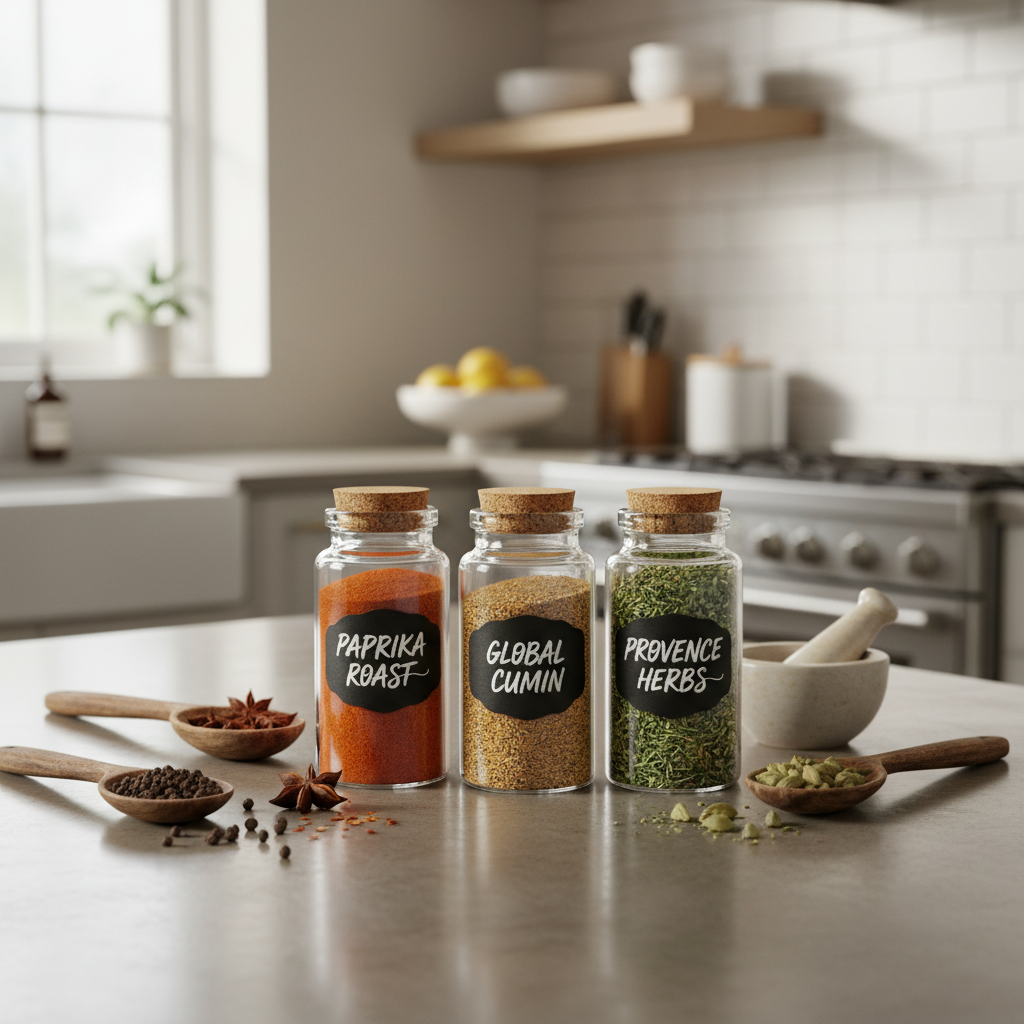
Why homemade spice mixes often taste better (and when they don’t)
Freshness is the big one. Ground spices lose aroma over time, and blends have an even larger surface area exposed to air. When you mix smaller batches at home, the flavor usually stays brighter.
Control is the other win. You can keep salt separate, skip ingredients you dislike, and build “your” version of a blend you use weekly. According to USDA Food Safety and Inspection Service, spices and dried herbs should be stored in airtight containers in a cool, dry place to help maintain quality, which is much easier to do when you’re organizing your own small jars.
But there are times when store-bought is still sensible: if you rarely cook, if you don’t want to buy 6–10 base spices upfront, or if you need a specialty ingredient like amchur (mango powder) and you won’t use it again. Homemade spices are best when you’ll actually rotate through them.
A quick “do I need this?” checklist before you mix
Before you start pouring, take 30 seconds and check your pantry habits. This prevents the common mistake: making five blends you never reach for.
- I cook at home at least 3–4 times a week.
- I repeat a few cuisines (Tex-Mex, Italian-ish, BBQ, Mediterranean, etc.).
- I’m okay labeling jars and noting a mix date.
- I prefer less salt or need to watch sodium for personal reasons.
- I have a cool, dry cabinet away from the stove to store blends.
If you only check one or two boxes, start with just one blend you’ll use immediately, not a full “spice-mix era.”
Core technique: build balance with a simple ratio
Most successful blends hit a balance across four roles: base (bulk and warmth), sweet (roundness), heat (bite), herbal (lift). You can do this without being precious about it.
A starter ratio (easy to remember)
- 4 parts base (paprika, cumin, chili powder, coriander)
- 2 parts aromatic (garlic powder, onion powder)
- 1 part heat (cayenne, crushed red pepper)
- 1 part herbal/special (oregano, thyme, mustard powder)
Then adjust. If it tastes flat, add aromatics or a touch of acidity later at cooking time (lemon, vinegar). If it tastes harsh, reduce heat and lean on paprika or herbs.
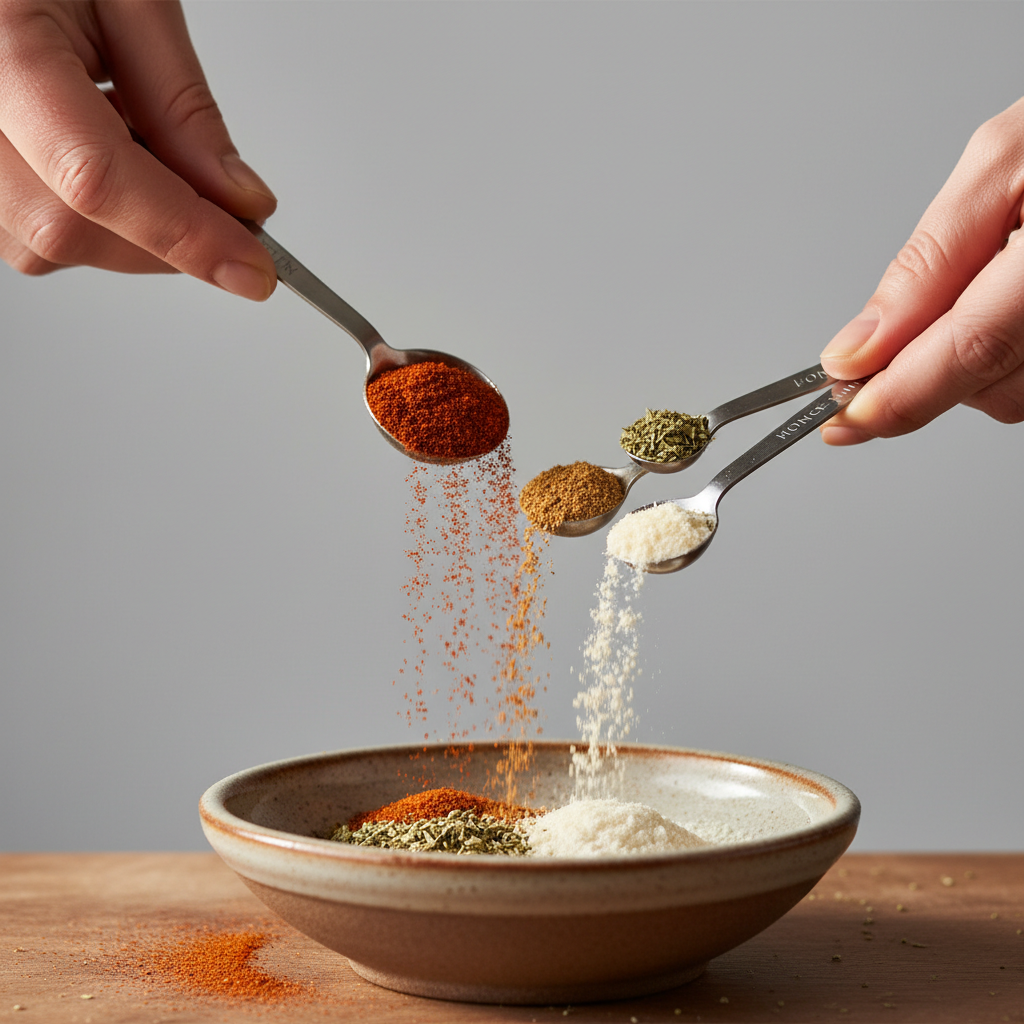
Homemade spice mix recipes you’ll actually use
These blends aim for everyday cooking, not one-off projects. Each recipe makes about 4–6 tablespoons, enough to stay fresh and get used up.
1) Everyday Taco Seasoning (low-salt friendly)
- 2 tbsp chili powder
- 1 tbsp ground cumin
- 2 tsp paprika
- 1 tsp garlic powder
- 1 tsp onion powder
- 1/2 tsp dried oregano
- 1/4–1/2 tsp cayenne (optional)
- Salt: add per recipe, not to the jar
Use 1–2 tbsp per pound of meat or per pan of beans/veg, then season with salt at the end. This is where homemade spices really shine: you stop oversalting by default.
2) Smoky BBQ Rub (great for chicken, tofu, roasted veg)
- 2 tbsp smoked paprika
- 1 tbsp brown sugar (optional, reduce for low-sugar needs)
- 2 tsp garlic powder
- 2 tsp onion powder
- 1 tsp black pepper
- 1 tsp mustard powder
- 1/2 tsp cayenne or chipotle powder
- Salt: add when cooking
Tip: if you grill often, keep sugar separate and add it only when you want caramelization. It helps avoid scorching on high heat.
3) Italian-Style Herb Blend (for pasta, eggs, marinades)
- 1 tbsp dried oregano
- 1 tbsp dried basil
- 2 tsp dried thyme
- 2 tsp dried rosemary (crush it between fingers)
- 1 tsp garlic powder
- 1/2 tsp red pepper flakes (optional)
This mix works best when it blooms in warm oil for 30–60 seconds before adding sauce. If you sprinkle it dry at the end, it can taste dusty.
4) Lemon Pepper Blend (brighter than most store versions)
- 1 tbsp coarse ground black pepper
- 2 tsp lemon zest, dried (or food-grade lemon peel granules)
- 1 tsp garlic powder
- 1/2 tsp onion powder
- Salt: optional, keep separate for flexibility
Note: if you dry your own zest, make sure it’s fully dry before sealing, trapped moisture can cause clumping and spoilage.
5) Curry-Inspired Warm Spice Mix (weeknight shortcut)
- 1 tbsp ground turmeric
- 2 tsp ground cumin
- 2 tsp ground coriander
- 1 tsp ground ginger
- 1/2 tsp cinnamon
- 1/4 tsp cloves (optional, go light)
This is not a replacement for a full curry powder in every dish, but it’s a useful warm base for lentils, chickpeas, soups, and sheet-pan vegetables.
Mixing, labeling, and storage that keeps flavor around
Mixing is simple: whisk in a bowl, break up clumps with a fork, then funnel into a jar. The part people skip is the label, then three weeks later every jar becomes “brown dust.”
- Label: name + mix date + “salt separate” if relevant.
- Storage: airtight glass or metal tins, away from heat and sunlight.
- Batch size: smaller is better; make what you’ll use in 4–8 weeks.
- Whole vs ground: keep some spices whole (cumin seed, peppercorn) and grind as needed for max aroma.
According to McCormick, dried herbs and ground spices generally keep best quality for months rather than years, and aroma is a practical cue, if it smells faint, it will likely taste faint.
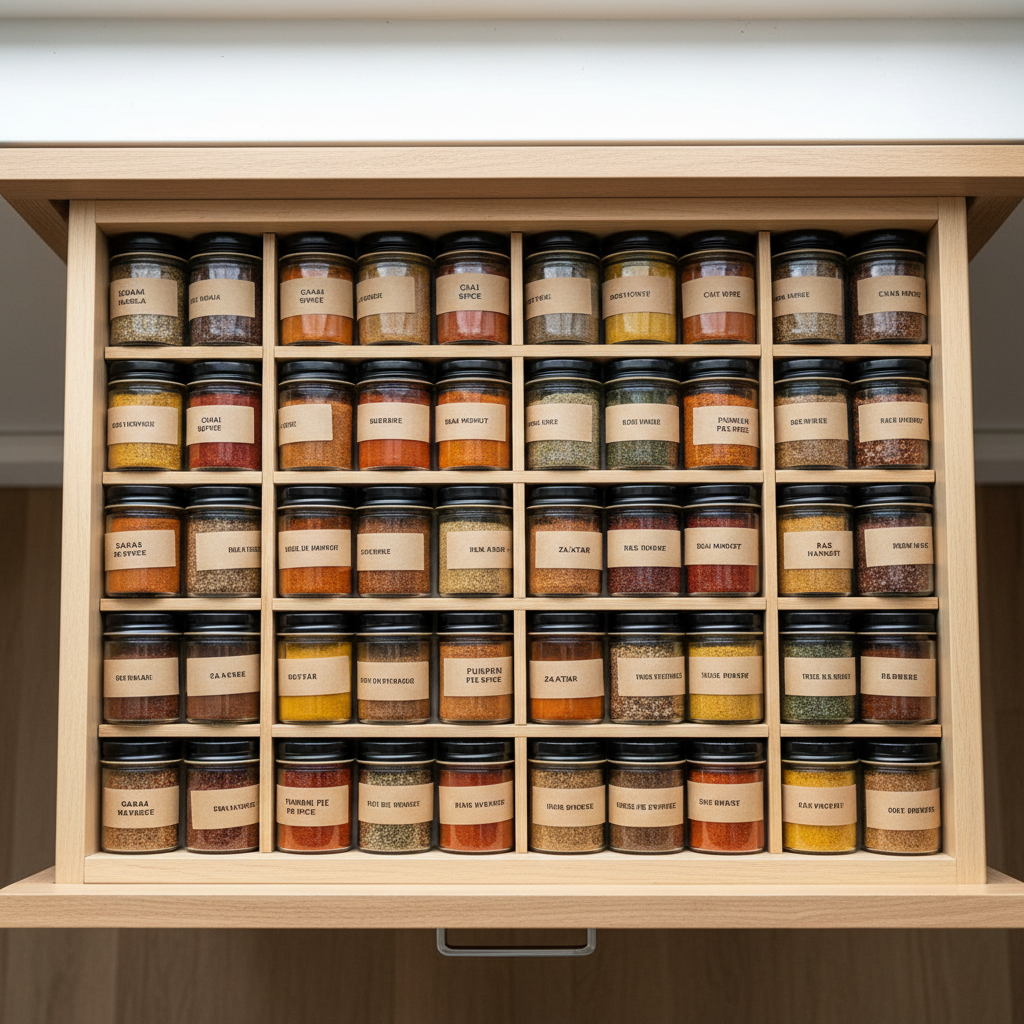
Quick-use guide: what to use where (table)
If you’re unsure how much to add, start lighter. You can always add more, but you can’t un-season a pot of soup without a lot of extra ingredients.
| Blend | Best for | Starting amount | Extra tip |
|---|---|---|---|
| Taco Seasoning | Ground meat, beans, roasted cauliflower | 1 tbsp per lb | Add salt at the end, squeeze lime to brighten |
| Smoky BBQ Rub | Chicken thighs, ribs, tofu, sweet potatoes | 2 tsp per lb | Oil lightly so it adheres, rest 15–30 min if time |
| Italian Herb Blend | Pasta sauce, eggs, roasted zucchini | 1–2 tsp per dish | Warm in oil briefly for a less “dry” taste |
| Lemon Pepper | Salmon, chicken breast, green beans | 1 tsp per serving | Finish with a little butter or olive oil |
| Warm Curry Mix | Lentils, chickpeas, soups | 2 tsp per pot | Toast in oil 30 seconds to wake it up |
Common mistakes (and how to avoid wasting spices)
- Making huge batches: it feels efficient, but flavor drops before you finish it. Scale down.
- Storing next to the stove: heat and steam shorten quality fast, even in “closed” jars.
- Overloading with cayenne: a little heat is fine, but too much masks everything else.
- Adding salt to every blend: convenient, yes, but it removes control. Many cooks do better salting the dish.
- Not tasting your base spices: if paprika tastes like cardboard, the blend won’t magically improve.
If you have dietary needs (low sodium, allergy concerns), homemade spices can help, but it’s still smart to review ingredient labels on any packaged components you use, and in medical situations, consider checking with a qualified professional.
Key takeaways (save this)
- Small batches beat big batches for flavor.
- Keep salt separate if you want better control across recipes.
- Use a simple ratio, then adjust after one test cook.
- Label jars with a mix date, your future self will thank you.
Conclusion: start with one blend and build from there
Once you make one mix you genuinely reach for, the rest feels less like a project and more like a shortcut you own. Pick the blend that matches what you cook this week, mix a small jar, and pay attention to how it behaves in real food.
If you want a simple next step, choose either Taco Seasoning or the Italian Herb Blend, then write one note on the label about how you liked it, more garlic, less heat, no sugar, and tweak the next batch. That’s the quiet advantage of homemade spices: they get better because you do.
FAQ
How long do homemade spice mixes last?
Most blends taste best within a few months, sometimes longer if stored well, but aroma is the easiest guide. If the jar smells weak when you open it, the food will likely taste muted too.
Is it cheaper to make homemade spices mixes?
It can be, especially if you buy base spices in bulk and cook often. If you only use a blend once every few months, store-bought may be more practical than stocking 8 separate jars.
Should I toast spices before mixing?
For some blends, toasting whole spices (like cumin seed) can add depth, but it also adds time and a higher risk of burning. If you’re new, skip it and focus on freshness and storage first.
Can I use fresh herbs instead of dried in a spice mix?
For shelf-stable jars, dried herbs work better. Fresh herbs add moisture, which can lead to clumping or spoilage, so use fresh herbs directly in the dish instead.
How do I make a blend less spicy without losing flavor?
Reduce cayenne or pepper flakes, then increase paprika, cumin, or herbs for body. A little garlic and onion powder also helps keep the blend “full” without extra heat.
What’s the best container for storing spice blends?
Airtight glass jars are common and reliable, metal tins also work. The bigger issue is location, keep them cool and dry, not above the stove or near a sunny window.
Are homemade spices safe if I have food allergies?
They can be safer because you control ingredients, but cross-contact is still possible if you buy spices processed in shared facilities. If allergies are severe, read supplier labeling carefully and consider professional guidance.
Why does my homemade blend clump?
Clumping usually points to moisture, either from storage near steam, not-fully-dried citrus zest, or a humid kitchen. Break it up, then move the jar to a drier spot and keep the lid tightly sealed.
If you’re already cooking a lot and you want homemade spices without overthinking ratios every time, it may help to build a small “core set” of two or three blends you actually finish, then expand once those jars earn their spot in your cabinet.