
Lunch ideas don’t have to mean sad desk salads or another overpriced cafeteria run, you mainly need a short list of reliable combos that pack well and reheat without drama.
If your mornings feel like a sprint, the real problem usually isn’t cooking skill, it’s decision fatigue, you’re trying to invent lunch from scratch every day. A simple system beats a long recipe list, especially for work and school schedules.
This guide focuses on quick, repeatable options, plus a few small upgrades that make basic lunches feel more “real meal” and less “emergency snack.” You’ll also get a build-your-own template, a time-saving table, and a practical packing checklist.
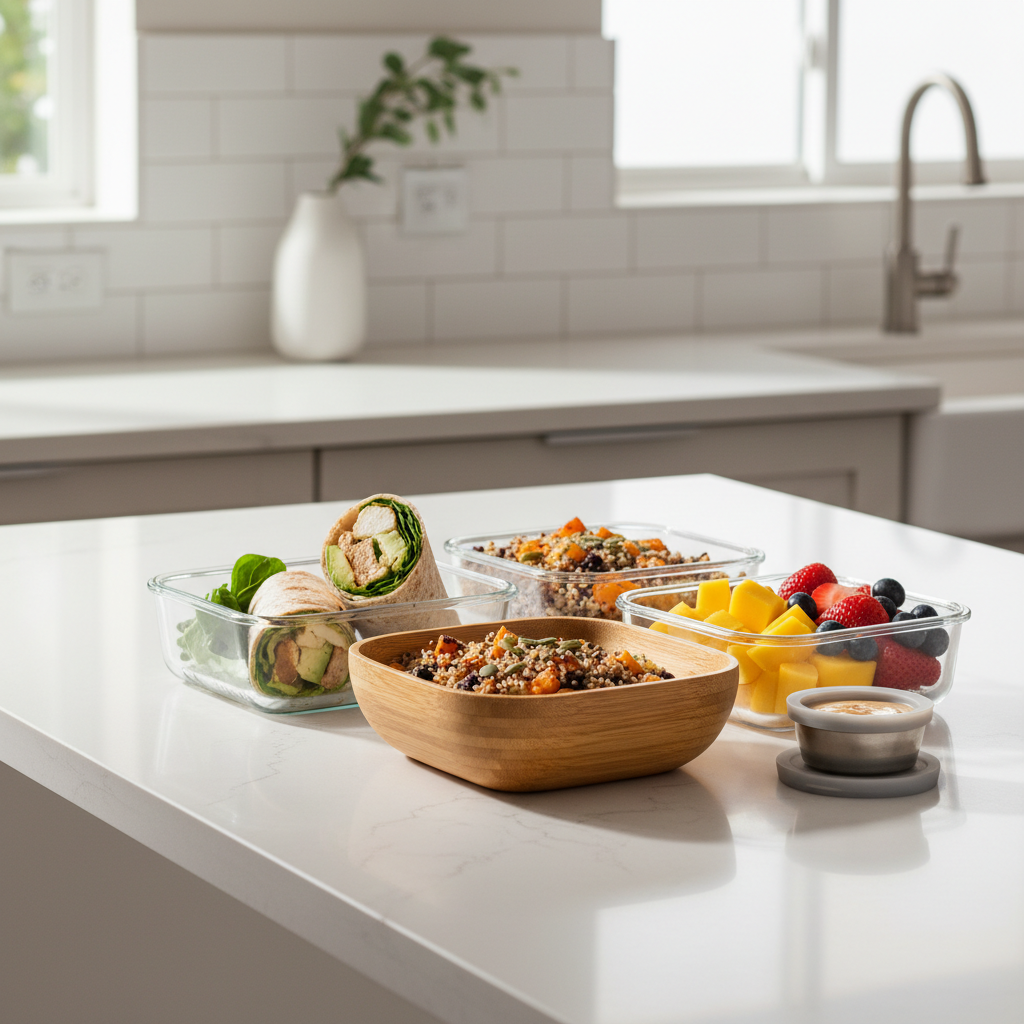
What makes a lunch “quick” in real life
Quick lunches usually share three traits: minimal chopping, one main container, and ingredients that stay good for 2–4 days. If any one of those breaks, lunch becomes a project and you stop doing it.
- Low-prep protein: rotisserie chicken, canned tuna/salmon, deli turkey, tofu, eggs, beans.
- Fast base: bagged salad kits, microwave rice, tortillas, frozen grains, leftover pasta.
- One sauce that carries flavor: pesto, hummus, salsa, vinaigrette, tzatziki, chili crisp.
According to the USDA (Food Safety and Inspection Service), perishable foods shouldn’t sit at room temperature for more than about two hours, so “quick” also means you can pack it safely with an ice pack or choose shelf-stable pieces when needed.
A simple lunch template that stops decision fatigue
When you’re stuck, stop looking for new recipes and use a template. Most satisfying lunches follow the same structure, you just rotate ingredients.
The 3-2-1 build
- 3 parts main: protein + base + veg
- 2 boosters: crunch + creamy or tangy element
- 1 “finisher”: sauce, spice, or something pickled
Example: chicken + microwave rice + cucumbers, add roasted almonds + feta, finish with lemony vinaigrette. That’s it, and it scales for a week.
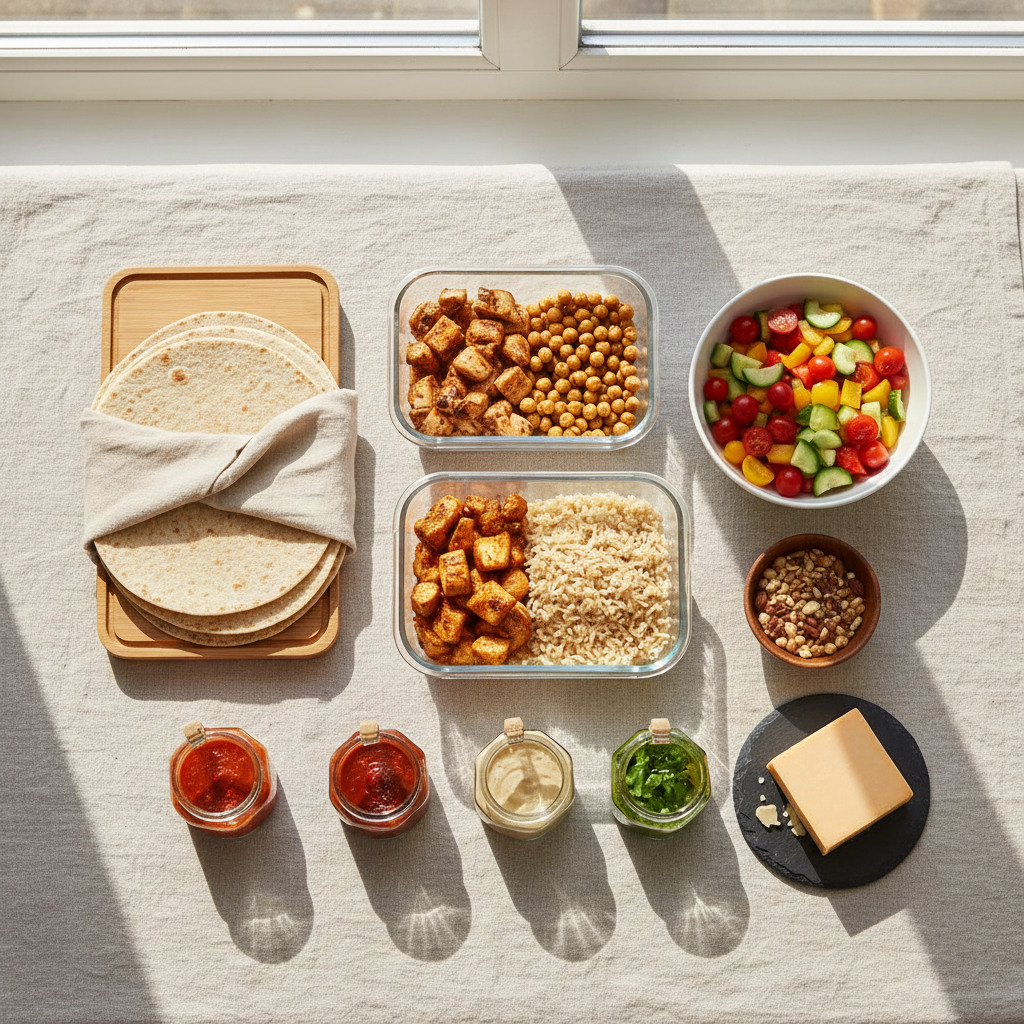
Quick lunch ideas you can prep in 10 minutes (no reheating required)
These are the “grab-and-go” options that work well for school lunches and for workdays where the microwave line is a mess.
Wraps, sandwiches, and hand-helds
- Turkey pesto wrap: deli turkey, pesto, spinach, sliced tomato, plus a little mayo to keep it from tasting dry.
- Tuna crunch sandwich: tuna mixed with Greek yogurt or mayo, celery or pickles, mustard, on whole grain bread.
- Hummus veggie wrap: hummus, shredded carrots, cucumber, greens, add feta if you want it more filling.
- PB & banana: classic for a reason, pack banana separately if you hate soggy bread.
Jar salads and “no-sog” bowls
- Greek chickpea salad: chickpeas, cucumber, tomatoes, olives, feta, oregano vinaigrette.
- Caprese pasta salad: leftover pasta, mozzarella pearls, cherry tomatoes, basil, balsamic dressing.
- Tex-Mex bean bowl: black beans, corn, salsa, shredded cheese, tortilla chips on the side.
Snack boxes (surprisingly filling)
- Protein + fruit + crunch: hard-boiled eggs, apple slices, pretzels, plus a small dip.
- Cheese plate style: cheddar, turkey slices, grapes, nuts, whole grain crackers.
- Mediterranean box: hummus, pita triangles, cucumbers, olives, roasted red peppers.
Key point: if you want these lunch ideas to feel like a meal, don’t skip salt, acid, and a little fat, it’s the difference between “fine” and “I’ll actually eat this again.”
Microwave-friendly lunch ideas that reheat well
Not every lunch survives reheating, creamy sauces can split and some vegetables turn sad fast. These options usually hold up, and they’re forgiving if you overheat by 30 seconds.
Reliable reheat mains
- Chicken and rice with frozen veggies: cook once, portion, then add a sauce like teriyaki or pesto.
- Turkey chili: batch-friendly, freezes well, tastes better the next day.
- Egg fried rice shortcut: leftover rice, scrambled egg, frozen peas, soy sauce, sesame oil.
- Pasta with marinara: add spinach after heating so it stays bright.
- Quesadilla wedges: reheat in a toaster oven if possible, microwave if you must.
According to the CDC, using a thermometer is the safest way to confirm reheated leftovers reach a safe internal temperature, if you’re packing meat or rice-based dishes and you’re unsure, it may be worth the extra step.
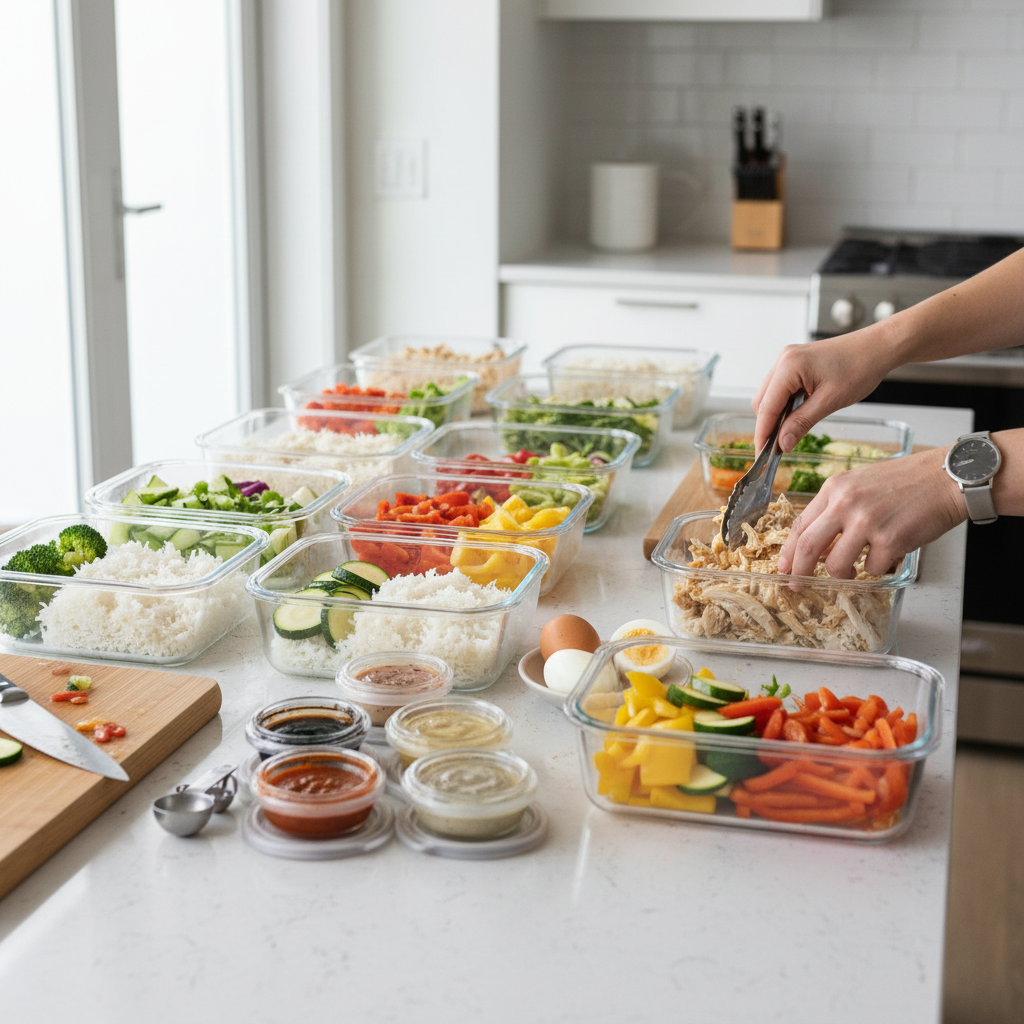
Meal-prep in one hour: a practical plan for 3–4 days
Here’s the version that tends to stick: prep a few “building blocks,” not five different recipes. You’ll still get variety because you mix them differently each day.
- Pick 2 proteins: rotisserie chicken + hard-boiled eggs, or tofu + ground turkey.
- Pick 2 bases: microwave rice + tortillas, or pasta + bagged salad.
- Prep 3 veg items: cucumbers, cherry tomatoes, and a steam-in-bag veggie.
- Add 2 sauces: salsa + vinaigrette, or hummus + teriyaki.
Then assign “roles”: one day becomes a wrap, another becomes a bowl, another becomes a salad plus protein. Same groceries, different vibe.
Quick-reference table: pick your time and build a lunch
If you want a fast decision tool, use this table and stop overthinking it.
| Time you have | Main option | What to add | Packing tip |
|---|---|---|---|
| 2–3 minutes | Snack box | Cheese + fruit + nuts | Pack dip in a mini container |
| 5 minutes | Wrap | Deli protein + greens + sauce | Keep wet ingredients in the center |
| 8–10 minutes | Salad jar | Beans or chicken + crunchy topping | Dressing on bottom, greens on top |
| 15 minutes | Hot bowl | Rice + frozen veg + protein | Vent lid when reheating |
Packing, food safety, and common mistakes
Most “my lunch was gross” problems come from texture and temperature, not the recipe. Fix a couple habits and your lunches improve fast.
Common mistakes to avoid
- Putting dressing on greens too early, even “sturdy” lettuce goes limp.
- Skipping a crunchy element, texture keeps lunch from feeling bland.
- Overpacking one big container, separating components helps everything taste fresher.
- Guessing on refrigeration, if you’re unsure, use an ice pack or choose shelf-stable add-ons.
A quick self-check before you commit to a lunch routine
- Do you have a reliable cold option for days with no microwave access?
- Can you prep your “base” ingredients twice a week instead of daily?
- Are you packing at least one thing you genuinely look forward to eating?
- Do you need allergy-friendly swaps for school policies, like nut-free options?
If you’re dealing with food allergies, medical diets, or blood sugar concerns, it’s smart to get guidance from a registered dietitian or your clinician, many “healthy lunch” tips change depending on the person.
Conclusion: make it easy enough to repeat
The best lunch ideas are the ones you can repeat on a busy Tuesday, not the ones that look impressive on Sunday. Keep a template, rotate sauces, and stock one or two backup items so you don’t end up skipping lunch.
Action steps: pick two proteins and two sauces for the week, then write three lunch combinations in your notes app, that tiny plan removes most of the morning friction.
FAQ
What are good lunch ideas for work when you have no fridge?
Go for shelf-stable items and food that stays safe in an insulated bag with an ice pack, like a wrap with cured meats, a snack box with hard cheese, or tuna packets with crackers. If you’re unsure about temperature safety, stick to packaged items and consult USDA guidance.
How do I keep school lunches from getting soggy?
Separate wet and dry components, pack sauces in a small container, and use sturdier bases like tortillas or pita instead of thin bread. For salads, keep dressing away from greens until eating.
What are quick vegetarian lunch ideas that are actually filling?
Build around protein and fiber: chickpea Greek salad, hummus wraps with feta, tofu rice bowls, or bean-and-cheese quesadillas. If you’re still hungry, add nuts, avocado, or yogurt on the side.
How long do meal-prepped lunches last in the fridge?
Many home-prepped components are used within 3–4 days for best quality, but it varies by ingredient and storage. When in doubt, follow food safety guidance and discard anything with off smell, texture, or time in the “maybe” zone.
What are healthy lunch ideas for picky eaters?
Use familiar formats like snack boxes, simple sandwiches, or plain pasta, then add one “new” item in a small portion. Keeping textures consistent often matters more than changing flavors.
How do I make lunch ideas cheaper without eating ramen every day?
Anchor lunches with affordable staples like beans, eggs, rice, and seasonal produce, then use one “flavor driver” like salsa or pesto to keep things interesting. Buying one rotisserie chicken can also cover multiple meals with minimal effort.
If you’re trying to make lunch more consistent, it often helps to set up a small “lunch station” at home with containers, sauce cups, and a short grocery list, so packing takes minutes instead of becoming a daily negotiation.