
Juice recipes can be a quick way to pack more produce into your day, but a lot of people hit the same wall, they either taste too “green,” spike sugar, or feel like a lot of cleanup for not much payoff.
What usually helps is thinking in “vitamin lanes” instead of random combos: pick a goal (immune support, skin, energy), choose a base, then add 1–2 boosters and a flavor balancer. That keeps you from making a muddy cup of expensive produce.
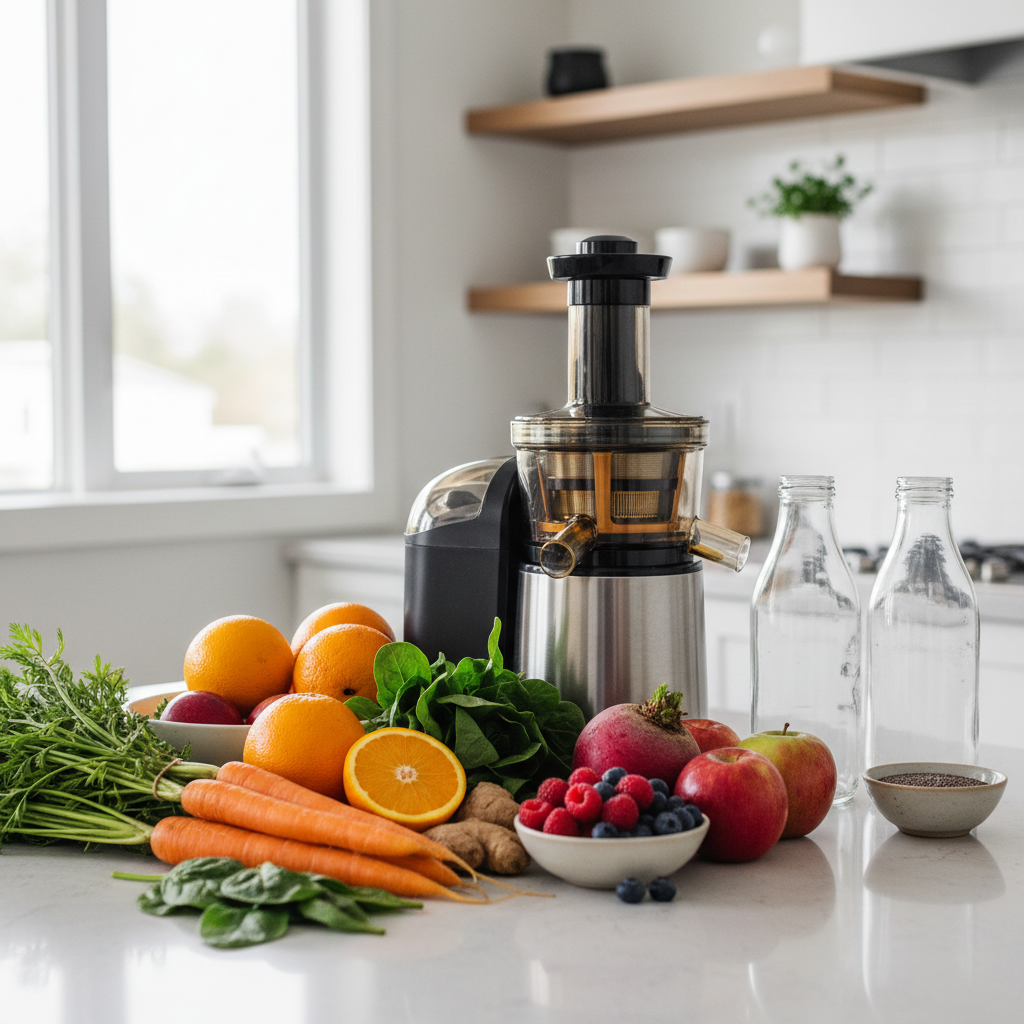
Below you’ll find practical mixes, a simple planning table, and a few “real life” rules so you can enjoy fresh juice without overthinking nutrition. For medical conditions, medications, or special diets, it’s smart to check with a clinician or registered dietitian.
How to build juice recipes that actually deliver vitamins
Think of vitamins as a map. If you want vitamin C, citrus and berries do heavy lifting. If you want vitamin A precursors, carrots and sweet peppers show up fast. Then you make it drinkable.
- Base (volume + hydration): cucumber, celery, romaine, watermelon, or citrus
- Vitamin driver (the “why”): carrots (A), oranges (C), leafy greens (K/folate), berries (C + antioxidants)
- Booster (small, powerful): ginger, turmeric, lemon zest, parsley, a small piece of beet
- Flavor balancer (so you’ll repeat it): apple, pineapple, grapes, or pear in a controlled amount
According to the USDA and the U.S. Department of Health and Human Services Dietary Guidelines resources, whole fruits and vegetables bring helpful fiber and broader nutrition, so juice works best as a complement, not a replacement for produce you’d normally chew.
Quick self-check: which type of juicer (and recipe style) fits you?
People often blame the recipe, but the tool and routine matter just as much. Use this checklist to avoid buying ingredients you won’t use.
- You’re short on time: lean toward citrus-forward blends and pre-washed greens, keep recipes to 3–5 ingredients
- You hate bitter greens: use romaine or cucumber as your “green,” skip kale at first, add lemon
- You’re watching sugar: prioritize cucumber/celery/greens, keep fruit to one serving-sized element
- You get stomach sensitivity: go easy on ginger/turmeric and very acidic blends, dilute with water if needed
- You want less waste: choose mixes that reuse pulp (muffins, soups) or use a blender for smoothie-style drinks
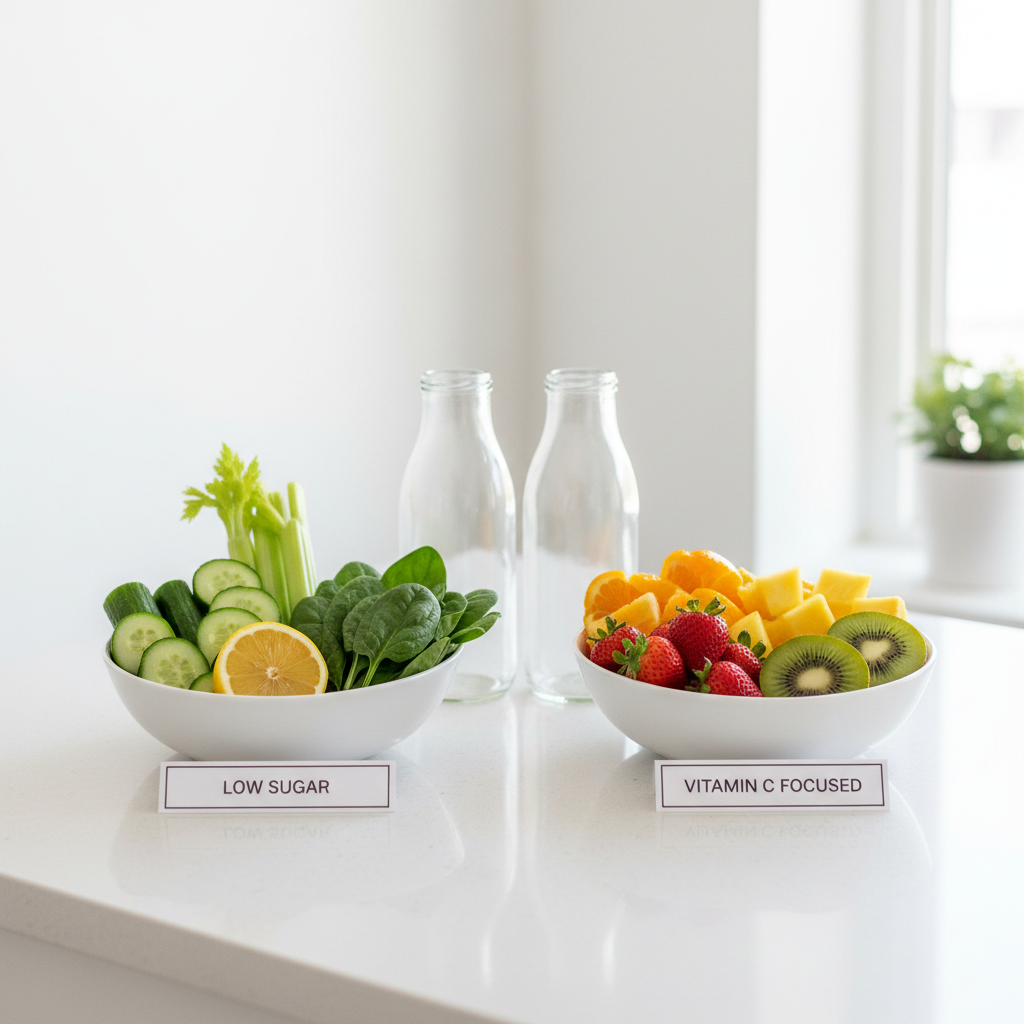
If you’re unsure, start with “half green, half bright,” meaning half the volume from cucumber/romaine and the rest from citrus or berries. It’s the easiest on-ramp for most beginners.
Vitamin-focused fresh juice recipes (with flexible swaps)
These juice recipes are written as ingredient lists, because produce sizes vary and most people prefer adjusting taste on the fly. If you track macros or have kidney issues, diabetes, or GI conditions, get personalized advice.
1) Vitamin C Citrus-Berry Bright
- 2 oranges, peeled
- 1 cup strawberries (or mixed berries)
- 1 small carrot (optional, for body)
- 1/2 lemon, peeled
Why it works: high-acid fruit keeps flavor sharp, berries add depth. If it’s too tart, add 1/2 apple.
2) Vitamin A Carrot-Orange Glow
- 4–5 carrots
- 2 oranges, peeled
- 1-inch ginger (optional)
- Small pinch of turmeric (fresh is fine, go light)
Tip: if ginger feels intense, swap with a small piece of fresh mint.
3) Folate + Vitamin K Green Starter (not too bitter)
- 1 cucumber
- 2 cups romaine
- 1 green apple
- 1/2 lemon, peeled
Reality check: kale can be great, but it’s where many people quit. Work up to it.
4) Beet-Citrus “Circulation” Style (earthy but balanced)
- 1 small beet (or half a large one)
- 2 oranges, peeled
- 1 carrot
- 1/2 inch ginger
Note: beet color can stain counters and cloths, rinse quickly to save yourself annoyance.
5) Pineapple-Green Reset (crowd-pleaser)
- 2 cups pineapple chunks
- 1 cucumber
- 1–2 cups spinach
- 1/2 lime, peeled
Swap: spinach for parsley if you want a more herbal, less “leafy” taste.
Recipe planning table: pick your goal, then mix and match
This is the “weekday shortcut.” Choose a goal, choose a base, then select one driver and one booster. You’ll end up with more consistent results than guessing.
| Goal | Best base | Vitamin driver | Booster | Flavor balancer |
|---|---|---|---|---|
| Vitamin C focus | Orange, grapefruit | Strawberries, kiwi | Lemon, mint | Pineapple |
| Vitamin A (carotenoids) | Orange, tangerine | Carrot, red pepper | Ginger | Apple |
| Greens (vitamin K + folate) | Cucumber, romaine | Spinach, kale (later) | Parsley | Pear |
| Anti-oxidant vibe | Watermelon, citrus | Blueberries | Lime zest | Grapes (small) |
Practical tips to keep juice recipes healthier (and less annoying)
Small tweaks change the whole experience, especially if you’re drinking juice more than once a week.
- Keep fruit “one anchor” per drink: one apple or one cup pineapple often feels sweet enough.
- Dilute when needed: adding water or ice after juicing can make tart blends easier to sip.
- Drink soon after making: flavors flatten over time, and while nutrients vary, freshness tends to taste better.
- Use zest and herbs for flavor: mint, basil, and a bit of citrus zest can reduce the urge to add more fruit.
- Prep without meal-prep fantasy: wash produce and portion “kits” for 2–3 days, not a full week.
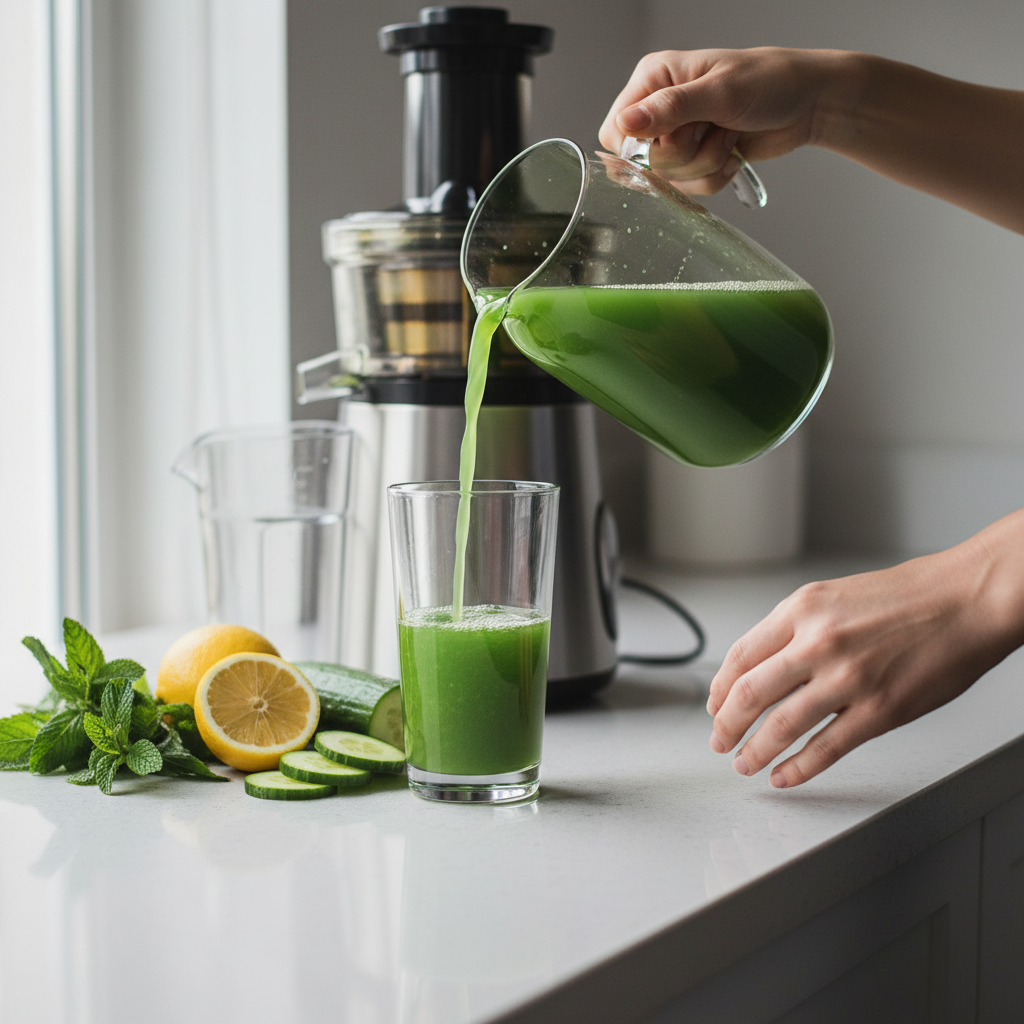
According to the FDA, raw produce should be washed under running water and handled with clean equipment to lower food-safety risk. That sounds basic, but it’s the difference between “daily habit” and “why does my juicer smell weird.”
Common mistakes (and what to do instead)
- Mistake: going too bitter too soon.
Do this instead: start with romaine/spinach and build tolerance before kale-heavy blends. - Mistake: turning juice into dessert.
Do this instead: keep fruit in check, use lemon/ginger/herbs to keep it interesting. - Mistake: expecting juice to “fix” your diet.
Do this instead: pair a smaller glass with breakfast, or use it as a bridge to eating more whole produce. - Mistake: storing juice too long.
Do this instead: make what you’ll drink within the day, refrigerate promptly in a sealed container.
When to get professional input (it’s more common than people think)
For many people, fresh juice is a food choice, not a medical decision. But a few situations deserve extra caution.
- Diabetes or blood sugar concerns: you may want a plan that limits high-sugar produce and considers timing with meals.
- Kidney disease or potassium restrictions: some fruits and greens can be problematic depending on your labs.
- Blood thinners: vitamin K-rich greens can matter for some medications, a clinician can advise on consistency.
- Pregnancy or immune compromise: food-safety handling becomes more important, ask your provider if unsure.
According to the CDC, certain groups have higher risk from foodborne illness, so careful washing, clean equipment, and sensible storage matter more than “perfect” recipes.
Key takeaways + a simple next step
If you want juice recipes that feel worth the effort, keep them goal-driven, keep ingredient lists short, and treat sweetness like a dial you control, not the default setting.
- Pick one vitamin lane (C, A, greens) and repeat it for a week so your shopping stays simple.
- Use the table to swap ingredients without ruining the flavor.
- Don’t force it, if you dislike a blend, adjust acid and herbs before adding more fruit.
Make one recipe tomorrow with only 4 ingredients, then change just one variable next time. That’s how this becomes a habit instead of a one-week phase.
FAQ
What are the best juice recipes for vitamins without too much sugar?
Usually the lowest-sugar approach is a cucumber or celery base, a moderate amount of greens, and citrus for brightness, then keep sweet fruit to one small portion. If you need it sweeter, try mint or a little zest before adding more pineapple or grapes.
Are vitamin-rich juices better in the morning or at night?
Timing depends on your stomach and routine. Many people tolerate citrus better with food, while others like a small glass mid-morning. If acidity bothers you at night, a cucumber-forward blend may feel gentler.
Can I prep ingredients ahead for fresh juicing?
Yes, and it’s often the difference between “I’ll do it” and actually doing it. Wash and dry produce, then portion 2–3 days of kits in containers. Pre-cut apples and pears brown, so lemon juice helps a bit, but shorter prep windows tend to work better.
Do juice recipes lose vitamins if stored?
Some nutrients and flavor can degrade over time, and oxidation changes taste. Many people find the best experience comes from drinking soon after juicing, and refrigerating promptly in an airtight container if you need to hold it for later that day.
Is blending better than juicing for vitamins?
Blending keeps fiber, which is one reason smoothies can feel more filling. Juicing can be easier to drink for some people and can increase produce variety, but it’s not automatically “better.” Your goal and digestion usually decide.
What should I add to green juice so it doesn’t taste like grass?
Lemon is the most reliable fix, then a green apple or pineapple for controlled sweetness. Herbs like mint or basil change the flavor more than you’d expect, without turning it into candy.
Can kids drink fresh juice for vitamins?
Many families do, but portion size and sugar matter, and whole fruit is often a better default. If you’re using juice, consider smaller servings, more veggie-heavy blends, and talk with a pediatrician if you have specific health concerns.
If you’re trying to make fresh juice part of a real routine, not a weekend project, it helps to pick two repeatable blends and shop for those on autopilot, then adjust based on taste and how your body responds, and if you have medical constraints, a dietitian can help you tailor the same juice recipes without guesswork.