Pantry meals are one of the easiest ways to keep your household fed during an emergency, because they rely on shelf-stable staples you can store, grab, and cook with minimal equipment.
If you have ever stared at a few cans and a bag of rice thinking “what can I actually make,” you are not alone. Emergency cooking is less about fancy recipes and more about repeatable combos, sensible rotation, and a short list of ingredients that do a lot of work.
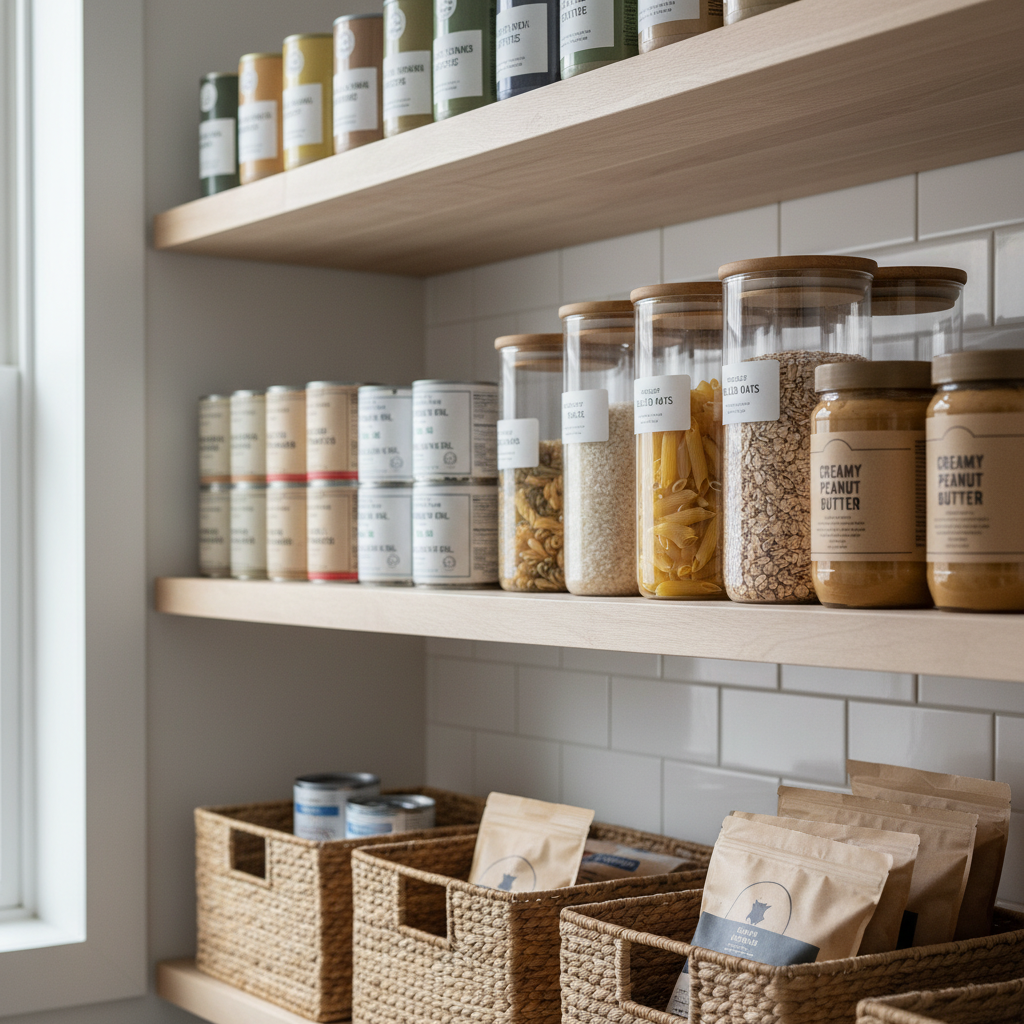
This guide focuses on cheap, flexible options that work in common U.S. kitchens, including “power pairs” like beans plus grains, quick sauces, and no-fridge add-ins. You will also get a planning checklist, a practical table, and a few small safety notes that matter more than people think.
What “emergency pantry meals” really need to do
In many households, the biggest constraint is not creativity, it is constraints stacking up: limited fresh food, limited power, limited time, and stressed decision-making. Good pantry-based meals tend to share a few traits.
- Low ingredient count: 5–8 items max, with swaps that still taste fine.
- Built-in protein: beans, lentils, canned chicken or tuna, peanut butter, shelf-stable tofu where available.
- Comfort + calories: rice, pasta, oats, potatoes, tortillas, crackers.
- Flavor insurance: salt, pepper, garlic powder, chili flakes, bouillon, hot sauce, soy sauce.
- Works with your cooking situation: stovetop, microwave, slow cooker, or “no-cook.”
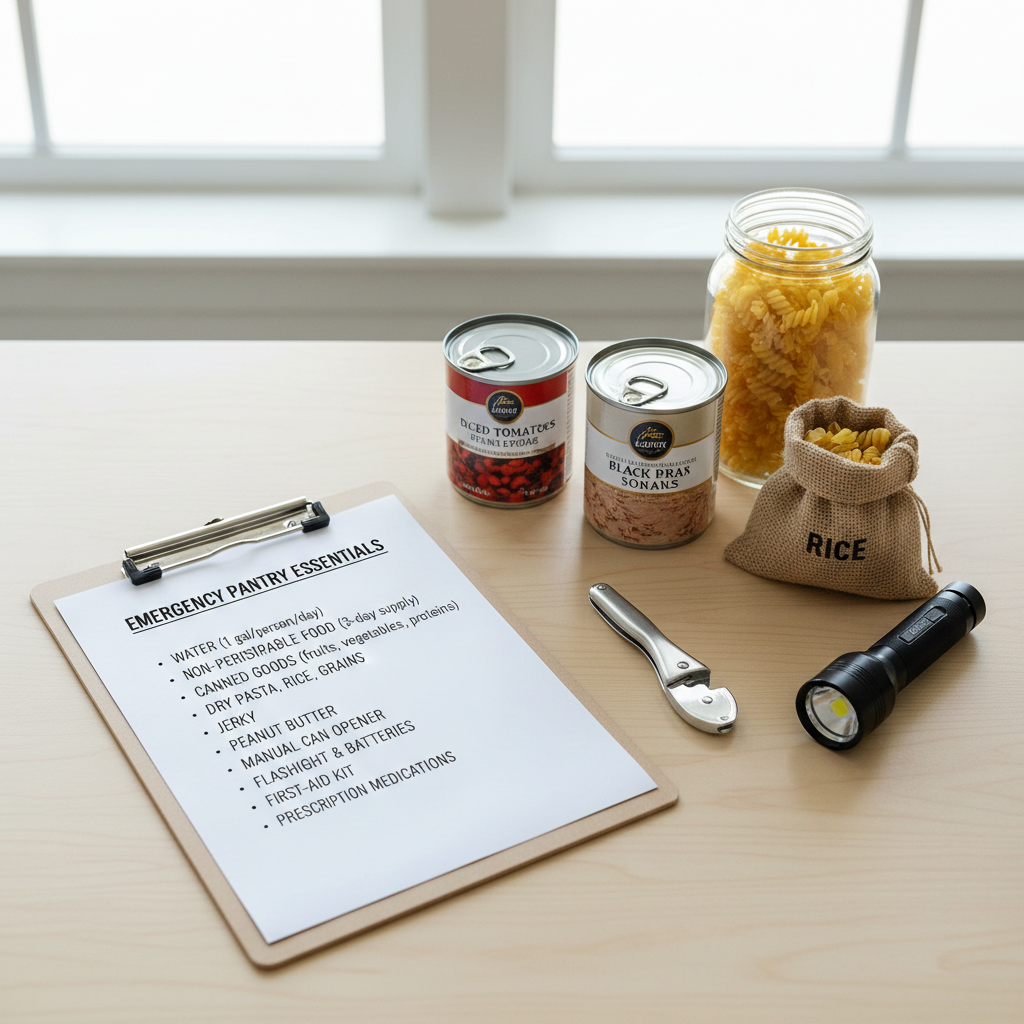
According to Ready.gov, emergency supplies should include non-perishable food and a manual can opener, which is a small detail that becomes a big problem when you need it.
Why pantry meals stay cheap (and where the cost creeps in)
Most affordable pantry meals depend on a few inexpensive anchors, then you add flavor and protein as your budget allows. What makes costs jump is usually convenience: single-serve packets, pre-made meals, and specialty “survival food” you never rotate.
In real life, the sweet spot is boring on purpose: big bags of rice or pasta, dried beans or lentils, store-brand canned tomatoes, and a couple sauces you actually like. You can absolutely keep some convenience food, but use it intentionally for the hardest moments, not every night.
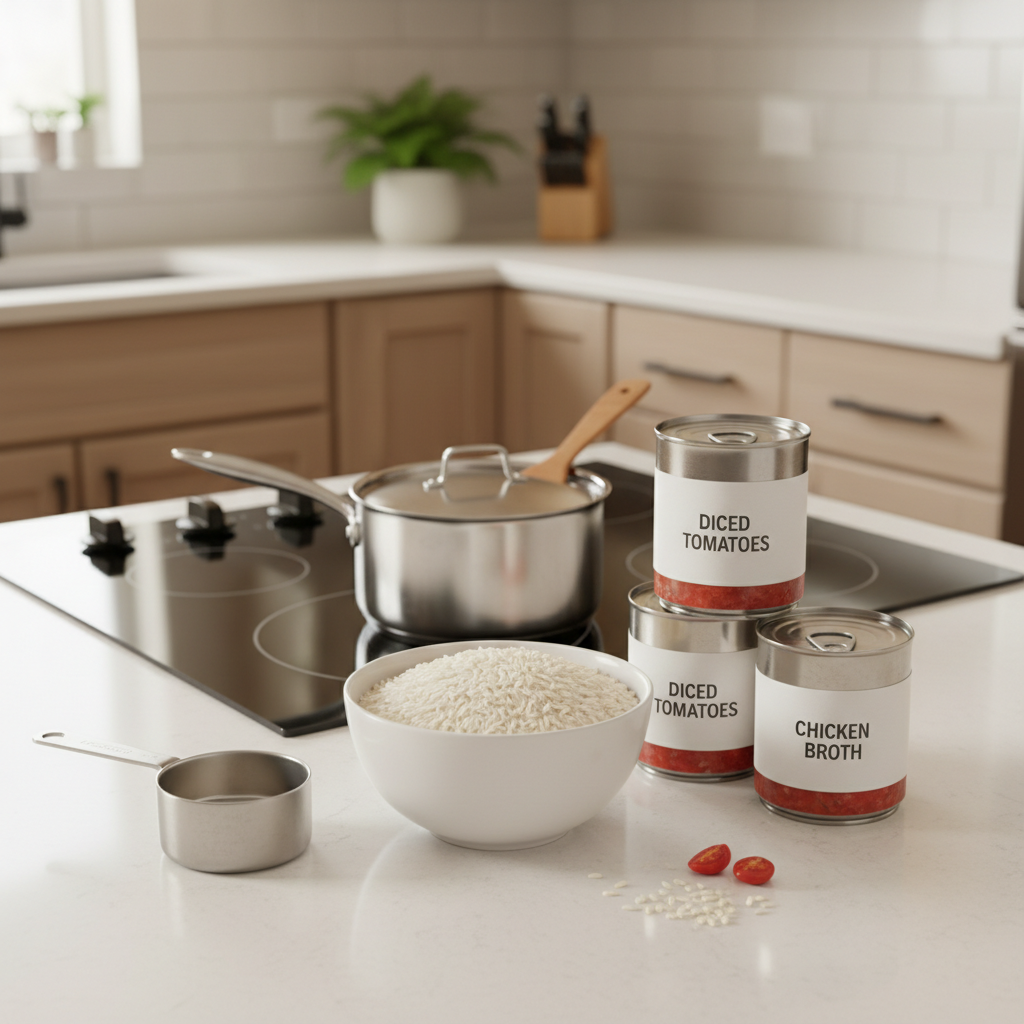
Quick decision checklist: what kind of emergency cooking are you in?
Before you pick recipes, pick your constraints. This avoids wasting fuel, water, and patience.
- No power: prioritize no-cook foods, ready-to-eat cans, and items that heat fast on a camp stove.
- Limited water: avoid long-simmer dried beans unless you can soak and have enough water, lean toward canned proteins and quick grains.
- Limited fuel: favor couscous, instant rice, ramen, canned soup “boosted” with beans, or one-pot pasta.
- Have power but no time: rotate in frozen meals or instant options, but add pantry sides to stretch them.
- Feeding kids: keep a few “safe foods” like mac and cheese, peanut butter, applesauce, cereal, and canned fruit.
Key point: If your household includes people with medical diets, allergies, or infant needs, tailor the pantry now, not during the crisis. When in doubt, it is worth asking a clinician or registered dietitian for guidance.
Cheap pantry meal ideas that repeat well (with easy swaps)
These are not “one perfect recipe,” they are patterns. Once you learn the pattern, you can build dozens of pantry meals from whatever you have.
1) Beans + tomatoes + rice (or pasta)
Heat canned beans with canned diced tomatoes, add cumin or chili powder, spoon over rice. If you only have pasta, it still works, just drain and toss.
- Swaps: lentils, chickpeas, canned corn, salsa instead of tomatoes
- Boosters: bouillon, hot sauce, a spoon of peanut butter for a satay-like twist
2) Tuna (or canned chicken) pantry bowl
Mix tuna with mayo packets or olive oil, add canned beans or chickpeas, sprinkle seasoning, serve with crackers or tortillas. This stays cheap, fast, and surprisingly filling.
- Swaps: sardines, salmon packets, shelf-stable tofu cubes where available
- Boosters: relish, mustard, lemon pepper, chopped pickles
3) Lentil soup that behaves like a meal
Dried lentils cook faster than many dried beans, and they do not require soaking in many cases. Simmer with bouillon and canned tomatoes, add pasta or rice near the end.
- Swaps: split peas, canned lentils for even faster cooking
- Boosters: curry powder, Italian seasoning, chili flakes
4) Oats beyond breakfast
Oatmeal is the obvious move, but oats also work in savory form with bouillon, pepper, and canned chicken. It sounds odd until you try it, then it is just comfort food.
- Swaps: cream of wheat, grits, instant mashed potatoes
- Boosters: peanut butter, cinnamon, dried fruit, or a spoon of jam
5) “Pantry chili” with whatever you have
Combine beans, tomatoes, onion powder, chili powder, and salt. If you have canned pumpkin, a small amount thickens and adds body without tasting like dessert.
- Swaps: black beans, pinto beans, kidney beans, mixed beans
- Boosters: corn, canned green chiles, a square of dark chocolate if you keep it
A practical pantry meal matrix (mix-and-match table)
When stress is high, having a menu matters less than having a map. Use the table to build a meal in 30 seconds.
| Base (carb) | Protein | Sauce / flavor | Add-ins | Resulting meal |
|---|---|---|---|---|
| Rice | Canned beans | Salsa or canned tomatoes | Corn, spices | Easy burrito bowl |
| Pasta | Canned tuna | Olive oil + garlic powder | Capers/pickles | Tuna pasta “puttanesca-ish” |
| Instant mashed potatoes | Canned chicken | Gravy mix or bouillon | Canned peas | Quick comfort bowl |
| Tortillas | Refried beans | Hot sauce | Canned jalapeños | Pantry quesadilla-style wrap |
| Oats | Peanut butter | Cinnamon + pinch of salt | Raisins | High-calorie breakfast |
| Crackers | Chickpeas | Italian seasoning | Olives | No-cook snack plate meal |
How to stock and rotate a low-cost emergency pantry (without waste)
People often overbuy what they do not eat, then feel discouraged when it expires. A calmer approach is building a “working pantry” you already cook from, then keeping a buffer.
- Pick 10–15 core items your household will eat in normal weeks: rice, pasta, oats, canned tomatoes, beans, tuna, peanut butter, broth or bouillon, oil, salt, a couple sauces.
- Buy in layers: one for this week, one backup. If budget allows, slowly extend the backup to 2–4 weeks.
- Use “first in, first out”: new purchases go to the back, older items move forward.
- Keep a small flavor kit: cumin, chili powder, curry powder, garlic powder, soy sauce. This prevents menu fatigue.
- Do not forget tools: manual can opener, lighter or matches, a basic pot, and if relevant a camp stove and fuel, stored safely.
According to USDA Food Safety and Inspection Service, you should follow label directions and basic food safety rules for storage and leftovers, and when refrigeration is not reliable, it is safer to avoid keeping cooked food at room temperature for long. When unsure, throw it out, it is not worth the risk.
Common mistakes that make pantry meals harder than they need to be
A lot of frustration comes from small planning gaps, not from a lack of food.
- Only buying ingredients, not meals: three random cans do not automatically become dinner, build a few repeatable combos you like.
- Forgetting water and fuel math: dried foods can be cheap, but they can be slow, and emergencies often punish slow cooking.
- No salt, no acid, no heat: bland meals crush morale, keep at least one “acid” item like vinegar or lemon juice and one spicy option if your family tolerates it.
- Ignoring dietary needs: gluten-free, low-sodium, diabetes-friendly, infant feeding, these require planning, and sometimes professional advice.
- Not rotating: if you never cook from your stash, you do not know what works, and you will waste food.
Conclusion: a simple plan you can start this week
Cheap emergency eating works when you commit to a small set of pantry meals you can repeat, then stock the ingredients in a way that rotates naturally. You do not need a bunker, you need a system that holds up on a chaotic day.
If you want an easy next step, pick three meal patterns from this article, buy the missing shelf-stable pieces, and cook each once in the next two weeks, because practice is what turns “supplies” into dinner.
FAQ
What are the best pantry meals for emergencies if you cannot cook?
No-cook options usually rely on ready-to-eat proteins and carbs: tuna or chicken packets, canned beans, peanut butter, crackers, tortillas, canned fruit, and shelf-stable milk. Keep a manual can opener and a few condiments so it does not feel like punishment food.
How do I make pantry meals taste better without buying expensive ingredients?
In many cases, a small “flavor shelf” does more than premium products: bouillon, garlic powder, chili flakes, soy sauce, vinegar, and hot sauce. Even one or two of these can make beans and rice feel like a real meal.
Are dried beans or canned beans better for emergency pantry meals?
Canned beans are often easier during an emergency because they save water and fuel, while dried beans are usually cheaper per serving if you can soak and simmer. Many people keep both: canned for urgency, dried for normal weeks.
How long can I store pantry staples for emergency use?
It depends on the product and how you store it, so check labels and keep items cool, dry, and sealed. A rotation habit matters more than chasing the longest possible shelf life.
What are cheap pantry meals that work for kids?
Mac and cheese, oatmeal with peanut butter, rice bowls with mild beans, and crackers with tuna salad are common hits. It also helps to keep familiar snacks like applesauce or cereal so meals feel predictable.
How can I plan pantry meals if someone needs a low-sodium diet?
Start with low-sodium canned goods when possible, rinse beans, and rely on herbs, garlic, and acid like vinegar for flavor. For medical conditions, it is wise to consult a clinician or dietitian, especially when building an emergency food plan.
Do I need to buy special “survival food” buckets?
Usually not for most households. A working pantry you already eat from can be more practical and less wasteful, though specialized products may help in certain scenarios where cooking is limited and budget allows.
If you want a more “set it and forget it” approach
If you are building pantry meals for hurricane season, winter storms, or just peace of mind, it can help to write a short meal list and a two-week shopping checklist you can reuse, because the hard part is deciding under stress. If you prefer, I can turn your household size, budget, and cooking limits into a simple pantry plan you can save and rotate.