
Seafood soup can be one of the easiest “healthy comfort foods” you make, but it also turns watery, fishy, or overly salty faster than people expect. If you’ve had a pot that tasted great at minute 10 and muddled by minute 30, you’re not alone.
This guide focuses on fresh, practical recipes and the small decisions that keep flavor high and nutrition reasonable: broth choice, cook timing, and which seafood holds up best. You’ll also get a quick “choose-your-soup” table, a shopping checklist, and a few realistic shortcuts for weeknights.
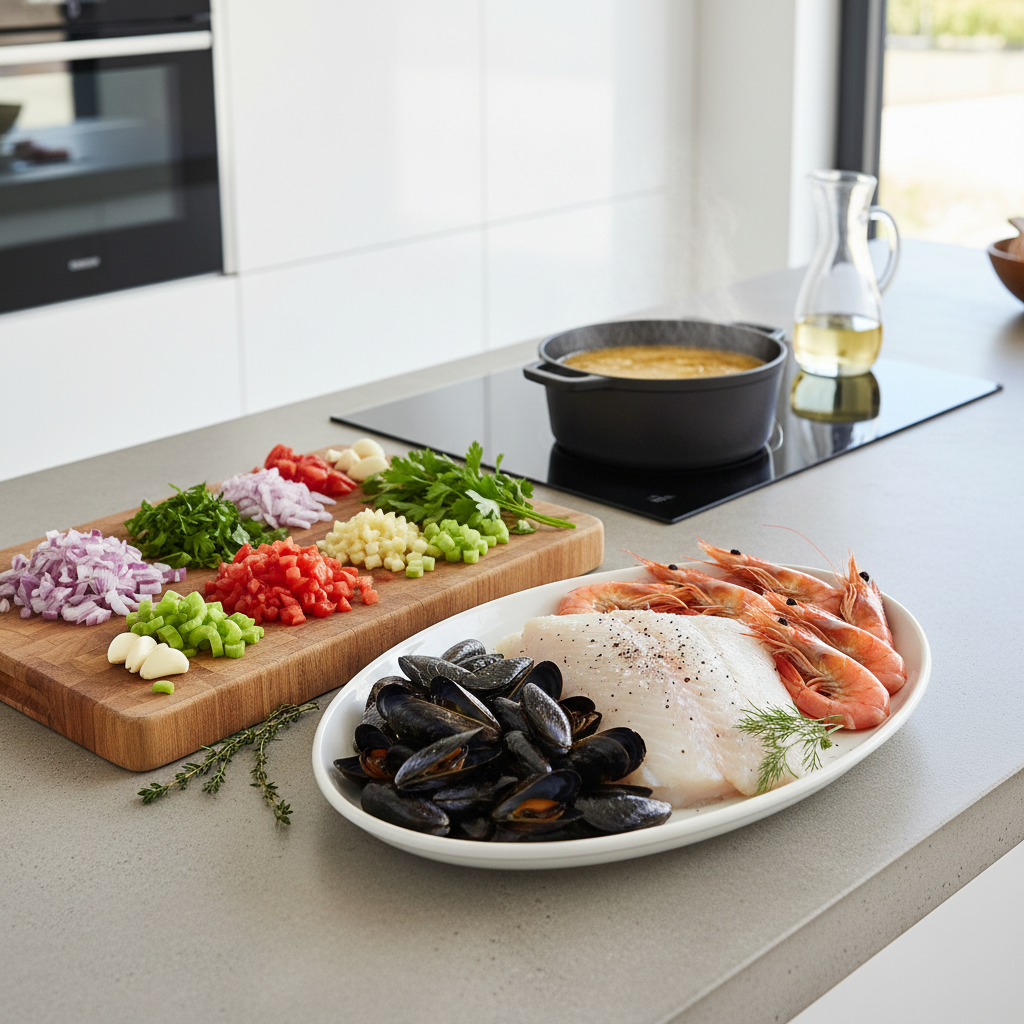
If you’re cooking for heart health, weight goals, or just trying to eat “cleaner,” soup is a friendly format because you control sodium and fat. And if you’re dealing with allergies, pregnancy, or specific medical diets, it’s also a format where you can simplify ingredients and still enjoy a satisfying bowl, though it’s worth checking with a clinician when restrictions get specific.
Why seafood soup can be healthy (and where it goes wrong)
At its best, seafood soup gives you lean protein, minerals, and hydration without needing a heavy sauce. A lot of the health outcome depends less on the seafood itself and more on what you build around it.
- Broth matters: A light stock, tomato base, or miso-ginger broth can taste rich without much added fat.
- Sodium sneaks in: Bouillon, boxed stocks, soy sauce, and canned tomatoes can quietly push salt high.
- Cream is optional: Creamy versions can still be “healthy-ish,” but portion size and swaps matter.
- Overcooking wrecks texture: Rubbery shrimp and dry fish often lead people to “fix” flavor with extra salt or butter.
According to the USDA FoodData Central, nutrient content varies widely by species and preparation method, so the same seafood soup recipe can land very differently depending on your seafood choice and how much added fat you use.
Choose your soup: 6 healthy styles (quick table)
If you’re staring at the seafood counter and can’t decide, pick a soup style first. Then match seafood to the cooking time.
| Soup style | Best seafood picks | Flavor profile | Healthy angle | Common pitfall |
|---|---|---|---|---|
| Tomato-based (stewy) | Cod, halibut, shrimp, clams | Bright, savory | Big flavor with modest fat | Too acidic if over-reduced |
| Clear ginger-garlic | Scallops, shrimp, white fish | Clean, aromatic | Low calorie, high satisfaction | Overcooking delicate seafood |
| Miso-vegetable | Salmon, shrimp, crab | Umami, cozy | Big taste, less need for salt | Boiling miso (dulls flavor) |
| Light chowder (no heavy cream) | Clams, haddock, shrimp | Creamy-ish | Use milk/Greek yogurt tricks | Curdling from high heat |
| Coconut-lime | Shrimp, mussels, white fish | Fragrant, tropical | Rich taste, moderate portion | Too sweet if coconut dominates |
| Spicy pepper broth | Shrimp, crab, firm fish | Bold, punchy | Heat boosts perceived flavor | Salt overload from seasoning blends |
Fresh seafood shopping checklist (so your pot tastes clean, not “fishy”)
Most “fishy” soup isn’t about seasoning, it’s usually freshness or storage. These checks help before you spend time on a recipe.
- Smell: Mild and ocean-like is normal; harsh ammonia notes are a red flag.
- Texture: Fish should look moist and firm, not gaping or mushy.
- Shellfish: Mussels and clams should be closed or close when tapped; discard cracked shells.
- Frozen is fine: In many cases, frozen-at-sea fish and shrimp can be a better option than “fresh” that sat too long.
According to the FDA, keeping seafood properly chilled and avoiding cross-contamination are key to reducing foodborne illness risk. If anyone you cook for is pregnant, immunocompromised, or has a chronic condition, consider asking a healthcare professional for tailored guidance.
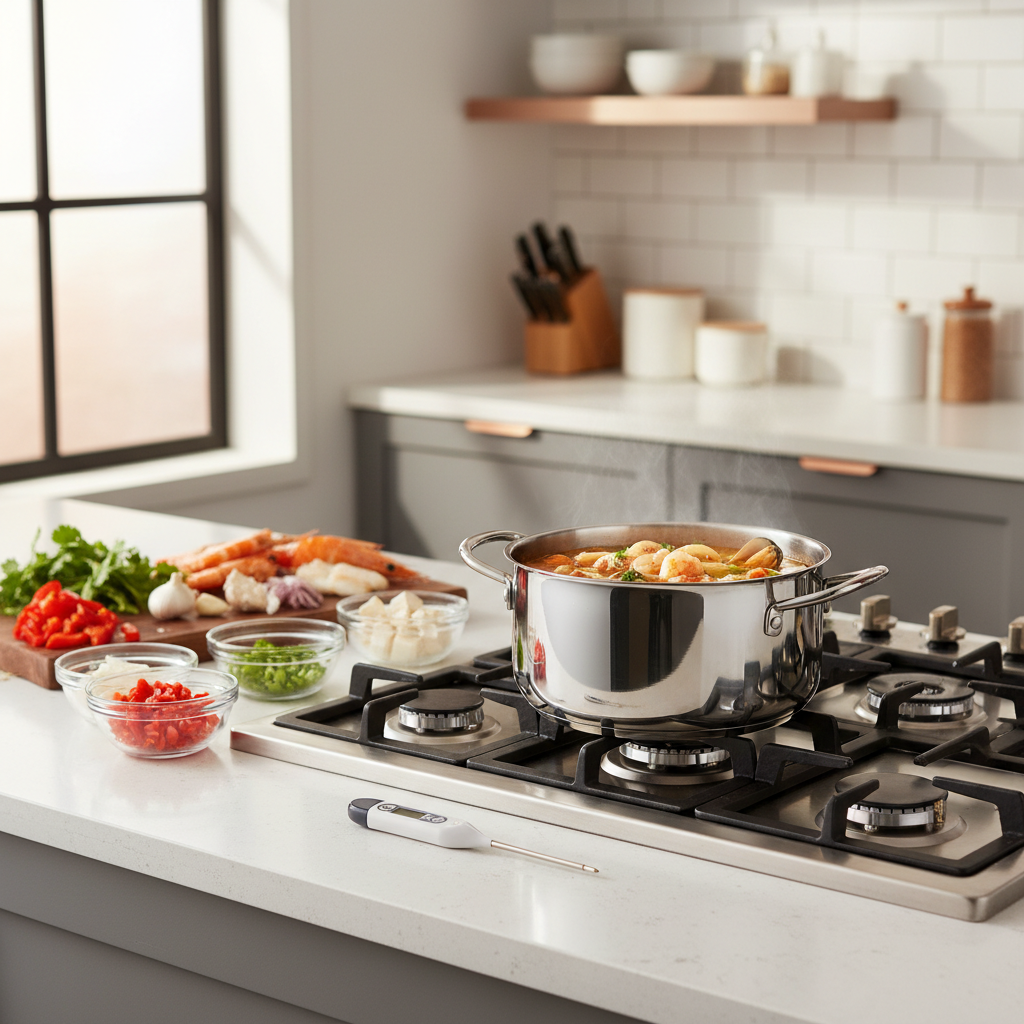
Timing rule that saves most soups: build the broth first, then add seafood at the end in layers, firm fish earlier, shrimp/scallops last. This keeps your seafood soup tasting sweet and tender instead of tough.
3 healthy seafood soup recipes you can rotate (weeknight-friendly)
These are written like “editor recipes,” meaning flexible amounts and clear decision points. Adjust heat, salt, and spice based on who’s eating.
1) Tomato-Garlic Shrimp & White Fish Soup (bright, filling)
- Base: olive oil (1–2 tsp), onion, garlic, fennel or celery, canned crushed tomatoes (no-salt-added if possible)
- Broth: low-sodium seafood/vegetable stock, pinch of chili flakes, bay leaf
- Seafood: firm white fish (cod/halibut) + shrimp
- Finish: lemon, parsley, optional splash of white wine
How to cook: Sweat aromatics, add tomatoes and stock, simmer 15–20 minutes, then add fish 4–6 minutes, shrimp 2–3 minutes, turn off heat, add lemon and herbs. If you want it thicker, mash a few beans into the broth instead of adding cream.
2) Ginger-Miso Salmon & Greens Soup (clean and cozy)
- Base: ginger, garlic, scallions, mushrooms
- Broth: low-sodium broth + miso stirred in off-heat
- Add-ins: baby spinach or bok choy, shredded carrots
- Seafood: salmon chunks
How to cook: Simmer broth with ginger and mushrooms, add greens to wilt, slide in salmon for a gentle poach. Remove from heat, then whisk miso with a ladle of hot broth and stir back in. Boiling miso tends to mute the flavor, so keep it gentle.
3) Light Clam “Chowder” (creamy without heavy cream)
- Base: onion, celery, thyme, diced potatoes (or cauliflower for a lighter bowl)
- Broth: low-sodium stock + optional clam juice (watch sodium)
- Creamy trick: blend a cup of cooked potatoes with warm milk, then stir in
- Seafood: clams (fresh or canned) added at the end
How to cook: Simmer potatoes until tender, blend part of the soup to make it creamy, then fold in clams just long enough to warm through. Keep heat moderate so dairy stays smooth.
Practical swaps that keep flavor high and nutrition reasonable
Most people don’t need a “perfect” recipe, they need a few reliable swaps. Here are the ones that actually show up in real kitchens.
- Lower sodium without losing taste: use citrus, vinegar, herbs, and a small amount of anchovy paste or parmesan rind for depth, rather than extra salt.
- More fiber: add white beans, lentils, barley, or extra vegetables, your seafood soup becomes a full meal faster.
- More omega-3s: rotate in salmon or sardines (strong flavor, so pair with tomato or lemon).
- Creaminess without heavy cream: blended potatoes/cauliflower, evaporated milk, or a spoon of plain Greek yogurt added off-heat.
Key point: if you’re watching calories, the hidden “big levers” are butter, cream, and salty concentrates. Seafood itself is rarely the main problem.
Step-by-step method (works with almost any seafood soup)
If you want one method you can repeat, this is the one. It prevents bland broth and overcooked seafood, which is usually where home cooks get frustrated.
- Build the base: sauté onion/celery/garlic in a small amount of oil until fragrant.
- Develop flavor: add tomato paste or spices, cook briefly so it tastes rounded, not raw.
- Simmer the broth: stock + vegetables, simmer until vegetables taste like they belong in the soup.
- Add seafood in order: firm fish first, then shrimp/scallops, then pre-cooked crab at the end.
- Finish smart: acid (lemon/lime), herbs, and a final taste for salt.
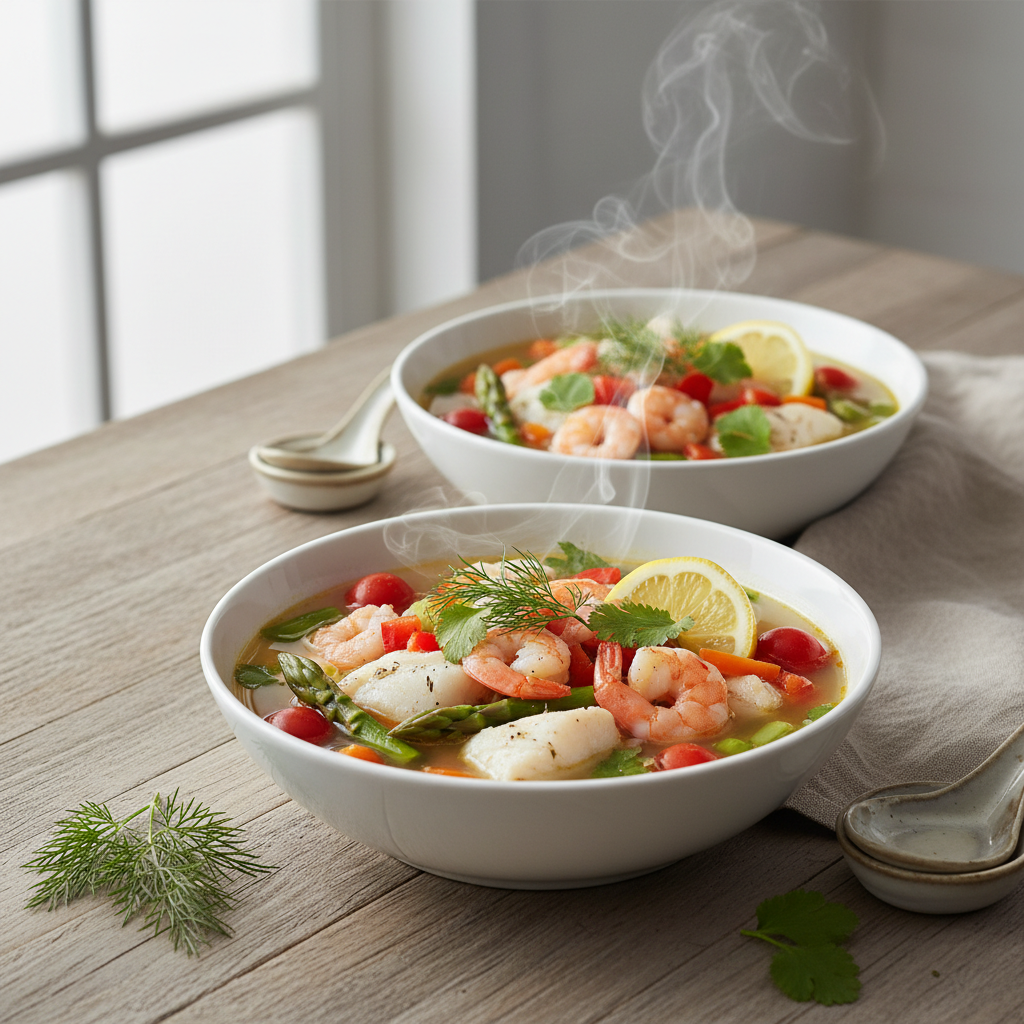
Realistic timing tip: if your guests run late, keep the broth simmering and add the seafood only when you’re 5–8 minutes from serving. That one habit fixes a lot of “rubbery” complaints.
Mistakes to avoid (these ruin texture or nutrition fast)
- Boiling hard after seafood goes in: gentle heat keeps proteins tender.
- Using all clam juice as broth: it can tip the whole pot salty; blend with unsalted stock.
- Overcrowding too many types of seafood: different cook times fight each other, choose two and do them well.
- Relying on seasoning blends blindly: many mixes contain a lot of salt, taste before adding more.
According to the CDC, food safety basics like handwashing, clean cutting boards, and proper cooking temperatures help reduce foodborne illness. If you’re unsure about doneness, an instant-read thermometer is a low-stress tool, and if you have a medical risk factor, it’s reasonable to be extra cautious.
Conclusion: a healthier seafood soup is mostly about timing and balance
A good seafood soup doesn’t need complicated technique, it needs a broth you’d enjoy on its own, seafood added at the end, and seasoning that leans on aromatics and acid more than salt. Pick one recipe style from the table, run the method, and you’ll have a repeatable dinner that feels both light and satisfying.
If you want a simple next step, try the tomato-garlic version once, then make it again with a different seafood mix. That repetition is where your “house soup” starts to feel effortless.
FAQ
What seafood works best in seafood soup for beginners?
Shrimp and firm white fish (like cod) are usually the least stressful because they’re widely available and cook quickly. Just add them near the end so you don’t chase texture problems with extra seasoning.
How do I keep seafood soup from tasting fishy?
Start with seafood that smells clean, keep it cold, and avoid long simmering after seafood goes in. A squeeze of lemon at the end helps, but it can’t fully cover seafood that isn’t fresh.
Is seafood soup healthy for weight loss?
It can be, especially with a clear or tomato broth and lots of vegetables. The calorie swing usually comes from cream, butter, and large amounts of oil, so those are the first things to adjust.
What’s the healthiest broth base for seafood soup?
Many people do well with low-sodium vegetable stock, seafood stock, or a tomato base. If you’re managing blood pressure, low-sodium options are worth considering, and a dietitian can help tailor targets.
Can I use frozen seafood in soup?
Yes, often with great results. Thaw safely in the refrigerator when possible, pat dry to reduce extra water, and add it late in cooking so it stays tender.
How long does seafood soup last in the fridge?
In many home kitchens it’s kept 1–2 days for best quality, since seafood texture changes quickly. When in doubt, follow food safety guidance and discard if it smells off or was left out too long.
Can I make seafood soup ahead for guests?
Make the broth and vegetables ahead, then reheat and cook the seafood right before serving. This keeps the soup tasting fresh and avoids the rubbery “left simmering” problem.
If you’re trying to make seafood soup a regular habit, it helps to keep one reliable base in your rotation, then swap seafood and vegetables based on what looks fresh that week, it’s the easiest way to eat well without feeling stuck cooking the same bowl every time.