
wine pairing gets easier once you stop chasing “perfect” matches and start aiming for balance you actually enjoy, at your table, with your budget.
A lot of people freeze in the wine aisle because they’ve heard too many rules, red with meat, white with fish, never mix sweet with dinner, and so on. Some of that helps, but real meals are messier, spicy tacos, creamy pasta, salty snacks, and a bottle someone already brought.
This guide gives you a practical way to choose, a quick table you can screenshot, plus a few “save the meal” fixes when the pairing feels off. No snobbery, just decisions that work most of the time.
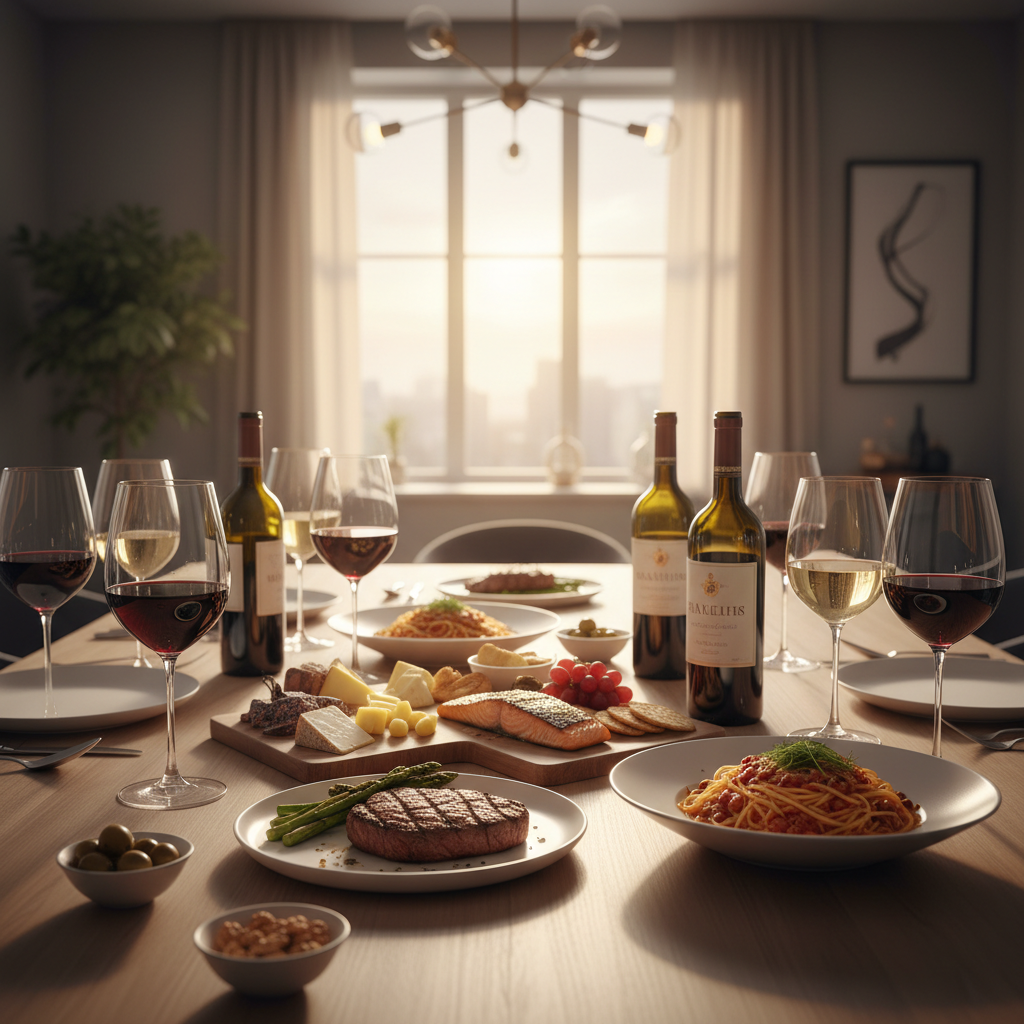
Why pairings work (and why they fail)
Good pairing usually means one thing, the wine makes the food taste better, and the food makes the wine taste better. Bad pairing often happens when one element “shouts” over the other.
- Acid (think lemony, zippy) cuts through fat, it loves creamy sauces, fried food, buttery fish.
- Tannin (dry, grippy feeling from red wine) softens with protein and fat, but can feel harsh with delicate dishes.
- Sweetness calms heat and salt, but a slightly sweet wine can taste flat if the dish is sweeter.
- Alcohol amplifies spice and heat, high-alcohol reds can feel “hot” with spicy food.
- Body is weight, light wine can get lost next to heavy food, and vice versa.
According to Wine & Spirit Education Trust (WSET), key pairing principles include matching weight and using acidity, sweetness, and tannin to create balance. You don’t need to memorize a textbook, but these levers explain most “why did this taste weird?” moments.
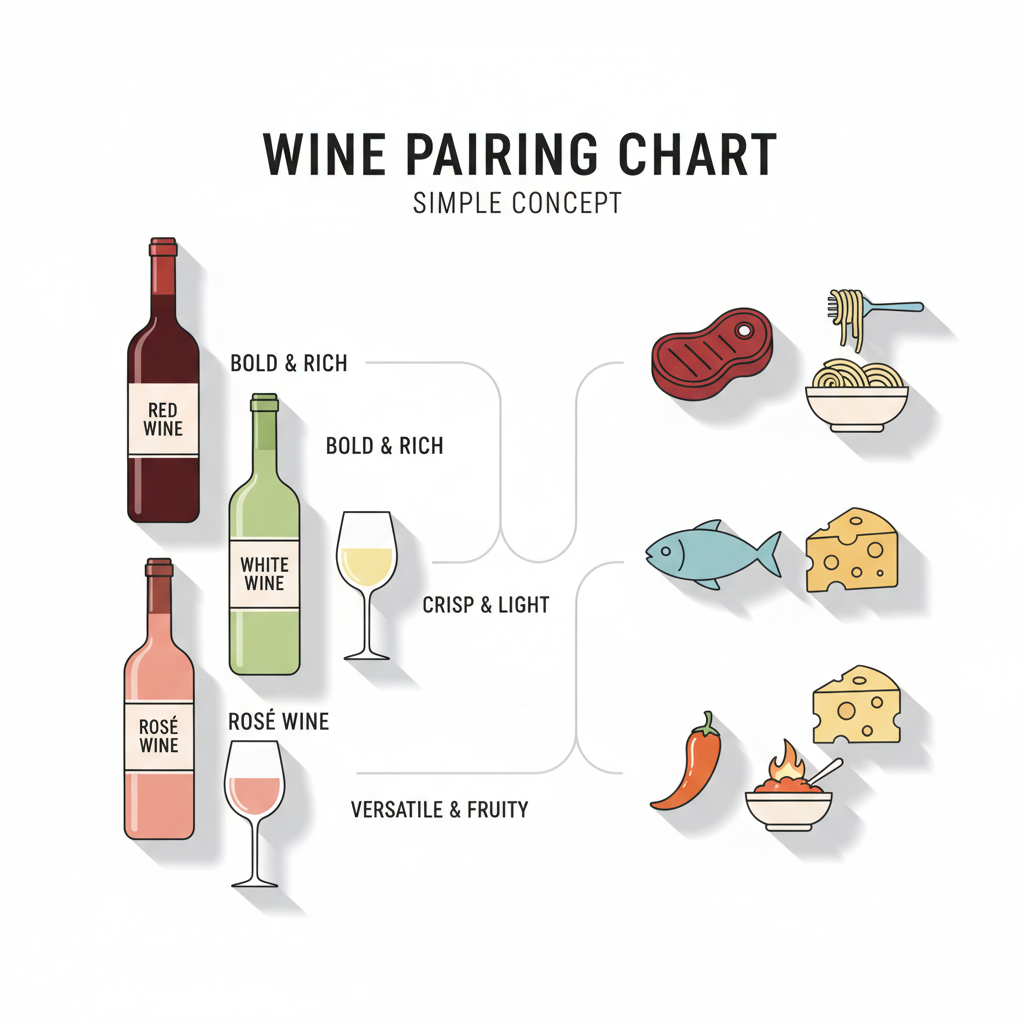
A quick wine pairing chart you can actually use
If you want the fast version, start here. Treat it as a default, then adjust for sauce and spice, which matter more than the protein in many dishes.
| Food situation | What to look for in wine | Examples |
|---|---|---|
| Steak, burgers, roast beef | Medium-high tannin, medium-full body | Cabernet Sauvignon, Malbec, Syrah |
| Chicken, turkey, pork chops | Medium body, moderate acid, low-medium tannin | Pinot Noir, Grenache, Chardonnay |
| Salmon, tuna, richer fish | Medium body, good acid | Pinot Noir, Rosé, Chardonnay |
| White fish, shrimp, oysters | High acid, light body | Sauvignon Blanc, Albariño, Pinot Grigio |
| Creamy pasta, mac & cheese | High acid or a richer white | Chardonnay, Chenin Blanc, Barbera |
| Tomato-based pasta, pizza | High acid reds | Sangiovese, Barbera, Chianti-style blends |
| Spicy food (Thai, Indian, wings) | Lower alcohol, some sweetness, strong aromatics | Riesling (off-dry), Gewürztraminer, Rosé |
| Cheese board | Match intensity; use bubbles for range | Sparkling wine, Champagne-style, Cava |
| Chocolate dessert | Wine sweeter than dessert | Port-style, late-harvest dessert wine |
Key point: when you’re unsure, choose a high-acid wine or sparkling. They’re forgiving across many foods and sauces.
Self-check: pick the wine by sauce, not just protein
Before you grab a bottle, answer these quickly. This is the part most people skip, then wonder why “white with fish” didn’t work.
- Is the dish more acidic? (tomato, citrus, vinegar) Choose a wine with noticeable acidity, or the wine can taste flabby.
- Is it creamy or fatty? (butter, cheese, frying) Choose high acid, bubbles, or a fuller white.
- Is it spicy? Go lower alcohol, consider off-dry, avoid big tannic reds.
- Is it smoky or charred? Go with bolder reds, Syrah-style often works well.
- Is it sweet-glazed? (BBQ sauce, teriyaki) Avoid bone-dry, consider fruit-forward or slightly sweet options.
- What’s the strongest flavor on the plate? Sauce, seasoning, and cooking method usually beat the protein.
If you do just one thing for better wine pairing, do this checklist first, it saves money and disappointment.
Practical pairings for common American meals
Here are “weeknight-realistic” matches that tend to work in a lot of households, with plenty of wiggle room.
Pizza night
- Pepperoni or sausage: Sangiovese or Barbera, the acidity keeps up with tomato and grease.
- White pizza or Alfredo base: Chardonnay or a crisp sparkling wine.
- Veggie-heavy: Pinot Noir or dry Rosé, lighter but still savory-friendly.
Taco Tuesday
- Carnitas or grilled chicken: dry Rosé, Grenache, or a lighter red served slightly chilled.
- Fish tacos with lime: Sauvignon Blanc or Albariño.
- Extra heat: off-dry Riesling, it often calms the burn better than “more red.”
Burgers and fries
- Classic cheeseburger: Cabernet Sauvignon or Malbec.
- Mushroom burger: Pinot Noir, earthiness plus moderate tannin feels right.
- Loaded fries: sparkling wine, the bubbles cut through salt and fat.
Step-by-step: a simple wine pairing method for any dinner
If you want a repeatable routine, use this. It’s not glamorous, but it works.
- Decide the “dominant factor”: spice, sauce, or cooking method.
- Match intensity: light with light, rich with rich, then adjust for spice and sweetness.
- Choose your strategy: complement (similar flavors) or contrast (acid vs fat, sweet vs heat).
- Pick one safe bottle: sparkling, dry Rosé, or a medium-bodied red with good acidity.
- Serve at a sensible temperature: too warm makes alcohol stand out, too cold mutes flavor.
According to the Court of Master Sommeliers, serving temperature strongly affects aroma and perceived balance. If a pairing feels “off,” checking temperature is a surprisingly effective first fix.
Common mistakes that make wine pairing harder than it needs to be
A few patterns show up again and again, especially when people try to “go fancy” for guests.
- Ignoring spice level: big reds plus hot food often turns into a bitter, burning combo.
- Going too tannic for lean dishes: a delicate fish won’t “soften” tannin, the wine can taste rough.
- Serving everything too warm: many reds taste cleaner a bit cooler than room temp in a heated house.
- Matching by color only: “white with fish” misses salmon, tuna, blackened seasoning, butter sauces.
- Choosing ultra-dry wine for sweet-glazed food: the wine can feel sharper and less fruity.
Reality check: sometimes the easiest answer is to open a versatile bottle you already like, then tweak the meal, add lemon, add herbs, tone down heat, or bring out a salty side that makes the wine feel smoother.
When you might want a pro opinion (or a smarter shortcut)
If you’re pairing for a wedding menu, a multi-course tasting, or guests with allergies, it can be worth asking a wine shop staff member or a sommelier-style consultant for input. Many local shops will suggest 2–3 options at different price points if you describe the sauce, spice, and budget.
If you have health concerns around alcohol, interactions with medications, or pregnancy, it’s safer to talk with a qualified medical professional. And if alcohol isn’t a fit, plenty of non-alcoholic wines and sparkling options can still follow the same pairing logic.
Conclusion: keep it simple, then get specific
wine pairing works best when you start broad, match intensity, choose acid or bubbles for flexibility, and only then get picky about grape varieties. Your “best” pairing is usually the one that fits the meal in front of you, not a rule you read online.
If you want a clean next step, pick one versatile bottle for the week, like a dry Rosé, a high-acid red, or sparkling, and run the sauce-and-spice checklist before you cook. That alone covers a lot of dinners.
FAQ
What is the easiest wine for wine pairing across many foods?
Sparkling wine is a strong all-around choice because acidity and bubbles cut through fat and salt, and it can handle everything from fried food to appetizers. Dry Rosé is another flexible option for mixed meals.
Should I always pair red wine with red meat?
It often works because protein and fat soften tannin, but it’s not automatic. A peppery sauce, sweetness from BBQ, or heavy smoke can push you toward fruit-forward reds, or even a richer white in some cases.
What wine goes with spicy food without making it worse?
Many people do better with lower-alcohol, aromatic whites, sometimes with a touch of sweetness. Off-dry Riesling is a common pick, while high-alcohol, high-tannin reds can feel harsher with heat.
How do I pair wine with tomato sauce?
Tomato brings acidity, so wines with noticeable acidity usually behave better. Sangiovese and Barbera are classic matches, while very low-acid reds can taste dull next to a bright sauce.
What’s a good wine pairing for seafood if I don’t like “fishy” flavors?
Look at the preparation. For grilled or buttery seafood, Chardonnay or a crisp sparkling wine can feel more satisfying than an ultra-light white. For lemony or raw seafood, Sauvignon Blanc or Albariño often stays fresh.
What if the wine tastes bitter with my food?
Bitterness often shows up with high tannin plus spicy or delicate dishes. Try cooling the wine slightly, adding a fattier bite (cheese, olive oil), or switching to a lower-tannin red or a white with good acidity.
Do I need to match wine with every ingredient in the dish?
No, and trying to do that usually creates confusion. Choose the dominant element, sauce, spice, or cooking method, and pair to that. The rest can be “close enough.”
If you’re planning a dinner and want wine pairing to feel less like guesswork, it helps to share the menu, sauce style, spice level, and budget with a local wine shop, they can narrow it to a few bottles that fit your night without overcomplicating it.