
Hot chocolate can taste watery, grainy, or weirdly sweet even when you follow a recipe, and it’s usually not your fault, it’s the ingredient choices and the order you combine them.
This guide keeps things practical: a few reliable creamy bases, several flavor paths, and the small technique details that make a mug feel “café” instead of “kid’s party mix.”
You’ll also find a quick troubleshooting section, a mix-and-match table, and make-ahead options for busy nights, because the craving rarely shows up when you have extra time.
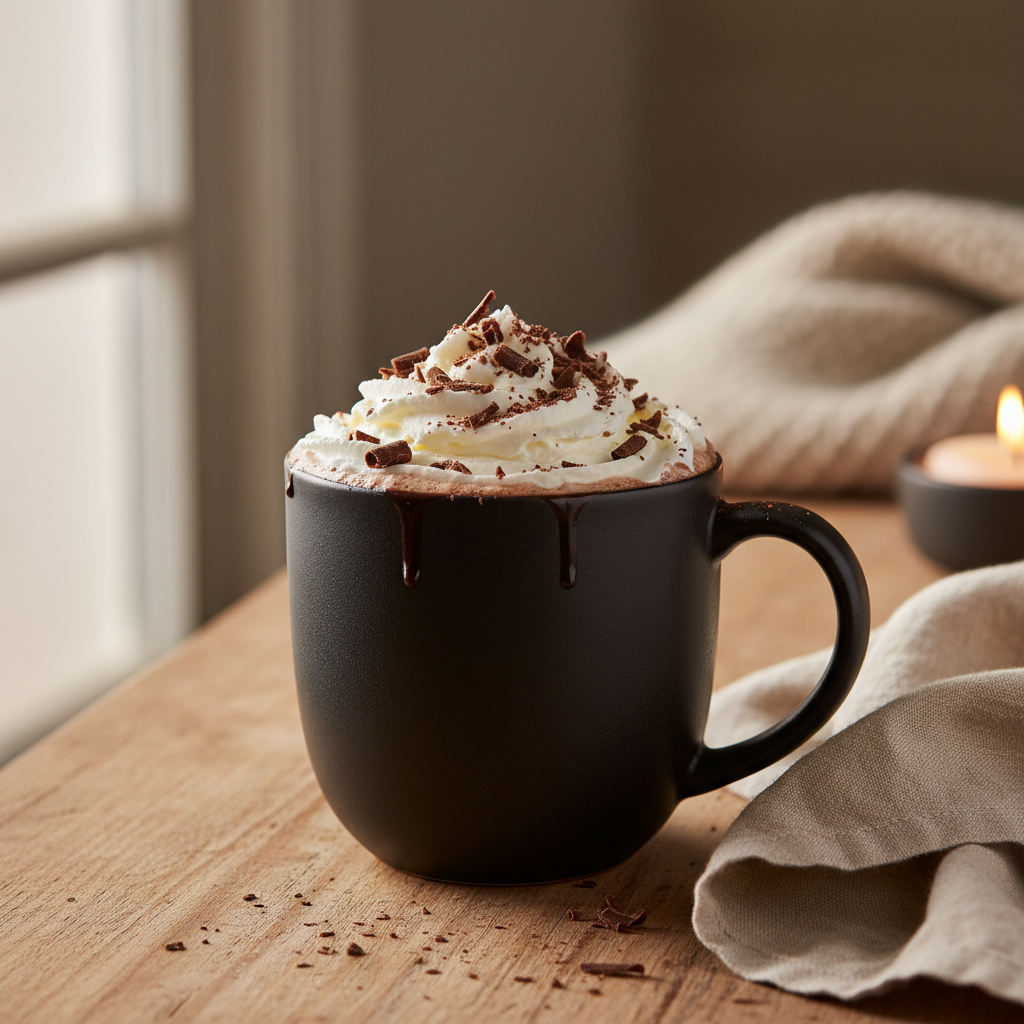
What makes hot chocolate taste creamy (not just sweet)
Creaminess comes from a few levers, and you only need to move one or two to get a noticeably richer result.
- Fat content: whole milk, half-and-half, or a small splash of heavy cream makes cocoa taste rounder.
- Real chocolate: chopped chocolate melts into the drink and adds body that cocoa powder alone can’t fully replicate.
- Emulsifying: whisking well and heating gently helps cocoa, sugar, and milk stay together instead of separating.
- A pinch of salt: it doesn’t make it salty, it makes chocolate taste more like chocolate.
According to USDA FoodData Central, milk fat and cocoa solids vary widely by product, which explains why the “same” recipe can taste different across brands and cartons.
Quick choose-your-style table (pick a base, then a flavor)
If you want a creamy cup without overthinking it, start with a base that matches your mood, then add one flavor direction.
| Style | Best base | Texture | Flavor add-ins that fit |
|---|---|---|---|
| Classic creamy | Whole milk + cocoa + sugar | Smooth, familiar | Vanilla, cinnamon, pinch of salt |
| European-style thick | Milk + chopped dark chocolate | Rich, pudding-adjacent | Orange zest, espresso, chili |
| Extra-indulgent | Whole milk + splash of cream | Velvety | Caramel, peanut butter, toasted marshmallow |
| Dairy-free creamy | Oat milk + dark chocolate | Silky, balanced | Maple, cinnamon, vanilla |
3 creamy hot chocolate recipes you can rely on
All three recipes below scale easily. Keep heat at gentle steaming, not boiling, since high heat can scorch milk and make chocolate taste flat.
1) Creamy classic cocoa (stovetop, 1 mug)
- 1 cup whole milk
- 1 to 1 1/2 tbsp unsweetened cocoa powder
- 1 to 2 tbsp sugar (adjust to taste)
- Pinch of salt
- 1/4 tsp vanilla extract
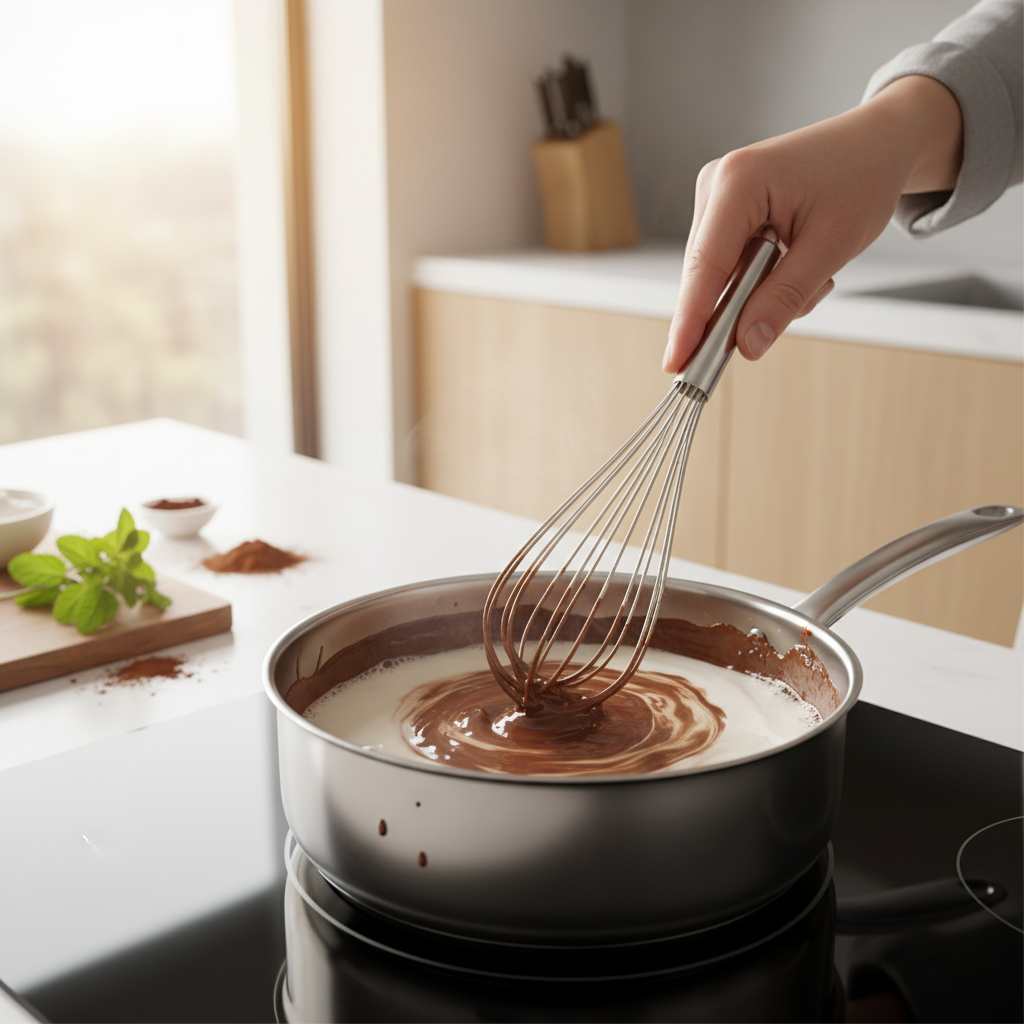
How to make it: In a small saucepan, whisk cocoa, sugar, and salt with 2 tbsp milk into a smooth paste, then whisk in the remaining milk. Warm over medium-low, whisking often, until steaming. Remove from heat, stir in vanilla, pour, top as you like.
This approach prevents cocoa clumps, which is the most common reason a mug feels gritty.
2) European-style thick hot chocolate (2 small cups)
- 1 1/2 cups whole milk (or 1 cup milk + 1/2 cup half-and-half)
- 4 oz dark chocolate, chopped (60–70% is a solid starting point)
- 1 tsp cornstarch mixed with 1 tbsp cold milk (optional, for extra thickness)
- Pinch of salt
How to make it: Warm milk until steaming. Add chocolate and salt, whisk until melted and glossy. If using cornstarch, whisk it in and cook 30–60 seconds until it lightly coats a spoon, then serve.
If your goal is “spoonable,” real chocolate does most of the work, cornstarch just pushes it over the edge.
3) Creamy dairy-free oat hot chocolate (1–2 mugs)
- 1 1/2 cups unsweetened oat milk
- 3 oz dairy-free dark chocolate, chopped
- 1 to 2 tsp maple syrup (optional)
- 1/4 tsp vanilla
- Pinch of salt
How to make it: Steam oat milk gently, whisk in chocolate until smooth, then add maple syrup, vanilla, and salt. Taste before sweetening more, many oat milks already carry sweetness.
For many people, oat milk comes closest to dairy’s “soft” mouthfeel, but results vary by brand, especially between barista blends and regular cartons.
Mix-ins and toppings that actually improve texture
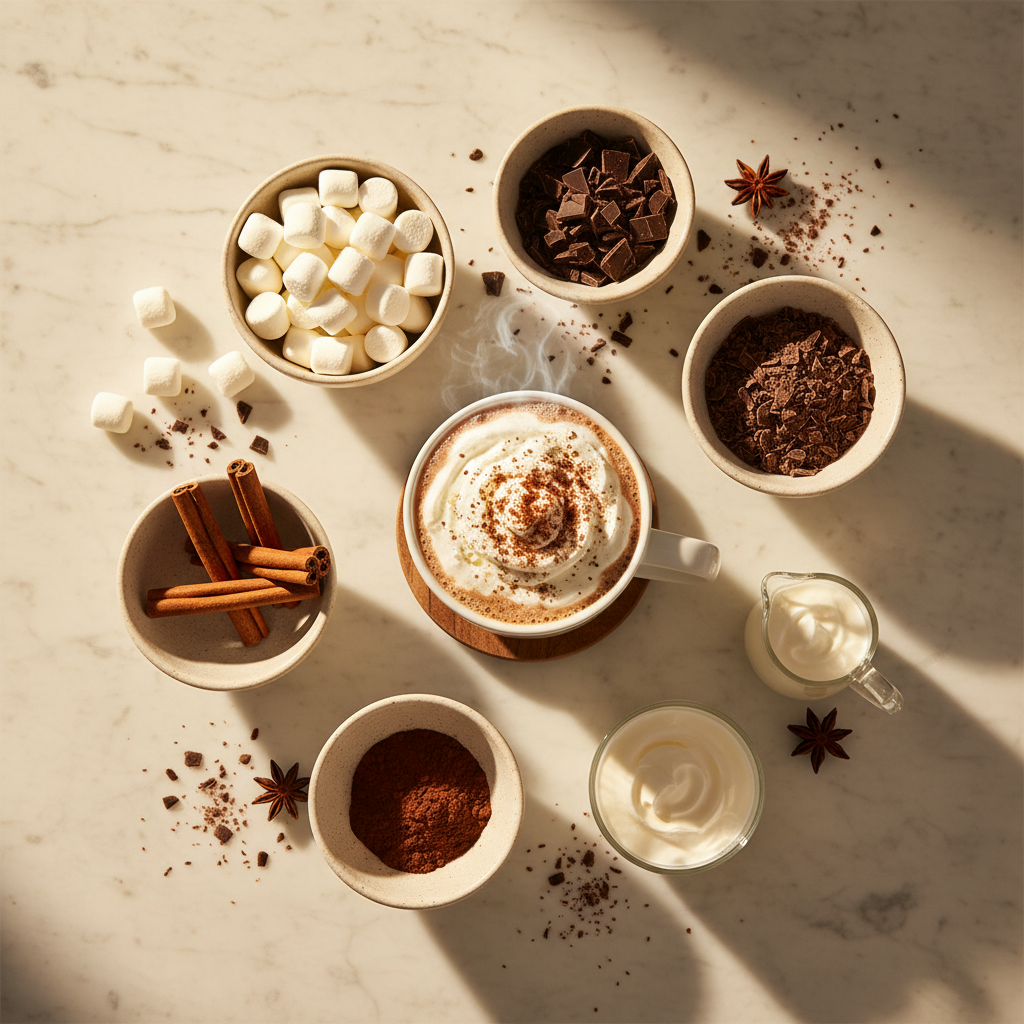
Some add-ins look fun but don’t move the needle. These do, because they add fat, emulsifiers, or aroma that reads as richer.
- Peanut butter or almond butter: 1 tsp whisked in makes a thicker, satin finish.
- Espresso or strong coffee: 1–2 tbsp deepens chocolate flavor without extra sugar.
- Orange zest: a small pinch wakes up dark chocolate fast.
- Spices: cinnamon, cardamom, or a tiny pinch of cayenne for warmth.
- Whipped cream: more than decoration, it adds creamy aroma on every sip.
Key point: if your drink already tastes balanced, add aroma first (vanilla, zest, spice) before you add more sweetener.
Self-check: why your cup keeps coming out “off”
If your hot chocolate disappoints in a predictable way, you can usually trace it to one of these.
- Watery: low-fat milk, not enough cocoa/chocolate, or too much added water.
- Grainy: cocoa not fully hydrated, or sugar not dissolved due to low whisking.
- Too sweet: sweetened milk, sweetened chocolate, plus sugar on top.
- Flat flavor: no salt, chocolate quality mismatch, overheated milk.
- Oily layer: overheating chocolate, or adding chocolate into boiling liquid.
According to FDA food safety guidance, milk should be heated carefully and stored promptly, so if you make a larger batch, cool it quickly and refrigerate rather than leaving it out for “a little while.”
Practical steps for consistent results (stovetop, microwave, make-ahead)
Stovetop method (most reliable)
- Start with a cocoa paste: cocoa + sugar + a splash of milk, whisk smooth.
- Heat to steaming, not boiling, and whisk often.
- Remove from heat before adding vanilla or delicate flavors.
Microwave method (when you want fast)
- Warm milk in a large mug in 30–45 second bursts, stir each time.
- Whisk cocoa and sugar with a tablespoon of hot milk into a paste, then stir in the rest.
- If using chopped chocolate, add it last and stir until melted, microwave 10–15 seconds if needed.
Make-ahead for a small crowd
- Make the base on the stovetop, cool, refrigerate in a sealed container.
- Reheat gently, whisking to re-emulsify, and adjust sweetness at serving time.
- If you plan toppings, keep them separate so texture stays clean.
Common mistakes (and what to do instead)
- Using boiling heat to “speed it up”: go medium-low, it tastes better and reduces scorch risk.
- Only using cocoa powder and expecting truffle richness: add even 1–2 oz chopped chocolate and the mouthfeel changes.
- Sweetening before tasting: many chocolates already carry sugar, taste after melting.
- Skipping salt: use a tiny pinch, especially with dairy-free versions.
If you have dietary conditions like lactose intolerance, diabetes, or food allergies, ingredient swaps can matter more than technique, and it may be worth checking with a clinician or dietitian for personalized guidance.
Conclusion: a creamy mug is mostly ratios and gentle heat
Good hot chocolate usually comes down to three moves: choose a richer base, add real chocolate when you want thickness, and keep the heat calm while you whisk. From there, flavors are personal, vanilla-and-salt for comfort, espresso for depth, spice for a little edge.
Action ideas: try the cocoa-paste trick once, then make the European-style version on a weekend and freeze chopped chocolate portions so weeknights stay easy.
FAQ
How do I make hot chocolate creamier without heavy cream?
Use whole milk and add 1–2 oz chopped chocolate, it often adds more body than extra dairy. A teaspoon of nut butter can also thicken without making it taste like cream.
Is cocoa powder or chocolate bars better for creamy hot chocolate?
Chocolate bars usually win for texture because cocoa butter and cocoa solids melt into the drink. Cocoa powder works well too, but it benefits from the paste method and a touch more fat.
Why does my hot chocolate get grainy?
Most of the time it’s undissolved cocoa, or sugar that never fully melted. Whisk cocoa with a small splash of milk first, then add the rest and heat gently while whisking.
Can I make hot chocolate ahead of time?
Yes, and it reheats well if you keep it sealed and re-warm slowly while whisking. If it separates a bit in the fridge, a quick whisk usually brings it back together.
How can I reduce sugar without losing flavor?
Use darker chocolate, add vanilla and a pinch of salt, and consider espresso or cinnamon for perceived sweetness. If you need specific sugar targets for health reasons, a dietitian can help tailor ingredients.
What’s the best dairy-free milk for hot chocolate?
Oat milk is a common favorite for creaminess, but brand and formulation matter. If yours tastes thin, try a barista blend or add a bit more melted chocolate.
Can kids drink espresso-spiked hot chocolate?
That depends on caffeine sensitivity and family preference. Many households keep the “mocha” version for adults and use vanilla or cinnamon for a kid-friendly option.
Key takeaways (save this for later)
- Creamy texture comes from fat + real chocolate + good whisking.
- Make a cocoa paste first to avoid clumps.
- Heat until steaming, avoid boiling for better flavor.
- Taste after melting chocolate, then adjust sweetness.
If you’re trying to standardize your go-to hot chocolate for a family routine or entertaining, it can help to pick one base recipe and lock in a single chocolate brand, small changes in cocoa percentage and sweetness can shift the whole mug.