
Soup maker recipes can be genuinely weeknight-friendly, but only if you cook to the machine’s strengths, think blended vs chunky early, and stop treating every soup like a dump-and-go slow cooker meal.
The big frustration I hear most is predictable, not dramatic: watery texture, dull flavor, scorching on the bottom, or a “puree” that still feels gritty. The good news is you usually don’t need fancy ingredients, you need better sequencing.
This guide gives you a practical playbook plus a small set of reliable formulas you can repeat, tweak, and actually enjoy eating again, not just “finish because it’s healthy.”
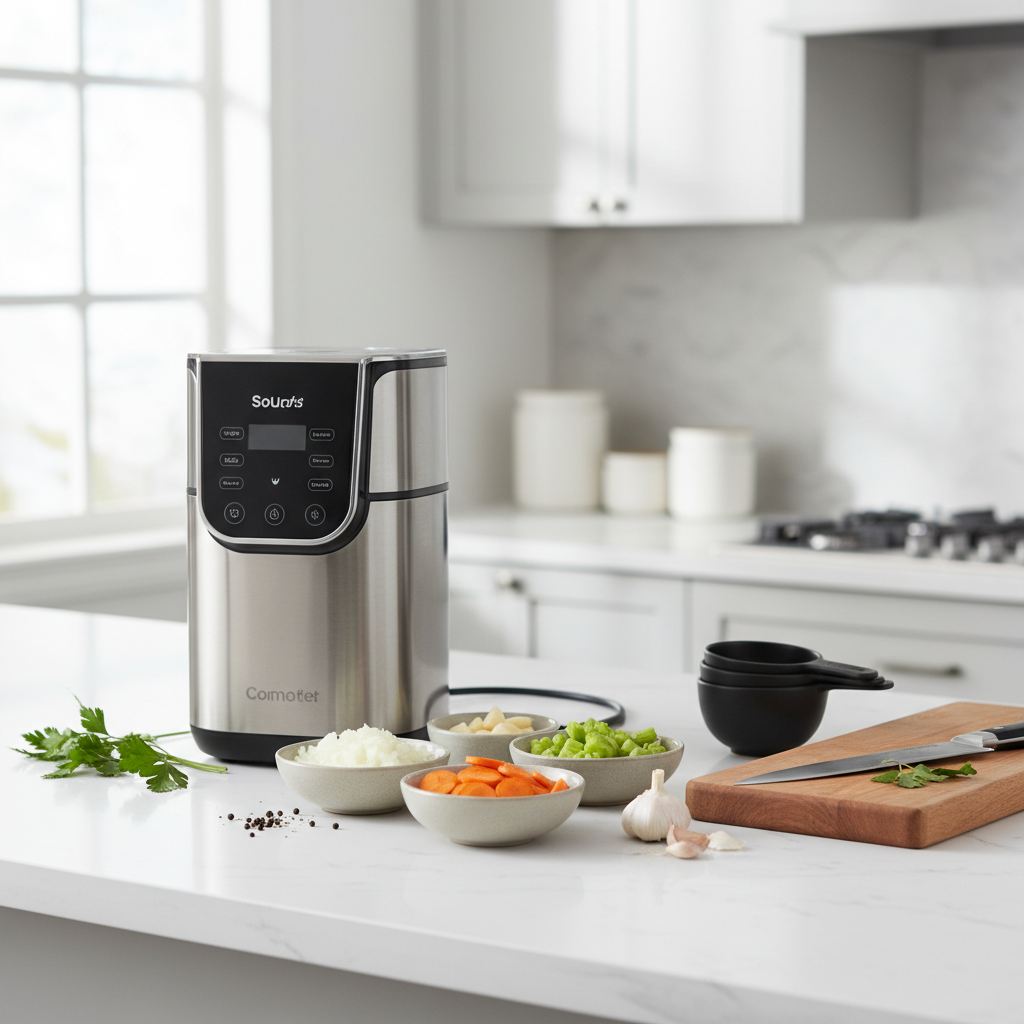
How a soup maker changes the “rules” (and why soups fail)
A soup maker is basically a heating element plus an impeller blade, it heats, stirs, and sometimes blends. That combo is great for consistency, but it also magnifies small mistakes.
- Overfilling: many models foam up while blending, too close to the max line means leaks or uneven cooking.
- Wrong cut size: big chunks can stay undercooked on chunky programs, tiny dice can overcook and taste flat.
- Too much starch too early: potatoes, beans, and rice thicken fast, thickeners can scorch if the base is thin.
- Seasoning timing: salt early helps vegetables taste like themselves, but acid and dairy usually behave better late.
According to USDA Food Safety and Inspection Service, perishable foods should not sit in the “danger zone” (roughly 40°F to 140°F) for extended periods, so treat a soup maker like active cooking, not an all-day holding device.
Quick self-check: pick the right program and prep
If your machine has multiple settings, deciding up front saves most texture problems. Use this as a fast filter before you start chopping.
- You want silky: choose smooth/puree, cut veg small to medium, plan a blender finish if you love ultra-velvety results.
- You want pieces: choose chunky, cut everything evenly, avoid hard raw veg that needs long simmering unless you pre-cook.
- You want beans/grains: use cooked beans and leftover grains, or add quick-cooking grains late.
- You want dairy: add milk, cream, yogurt, or cheese near the end to reduce curdling risk.
If you only remember one thing, remember this: most “bad soup maker recipes” are really just a cut size and liquid ratio issue.
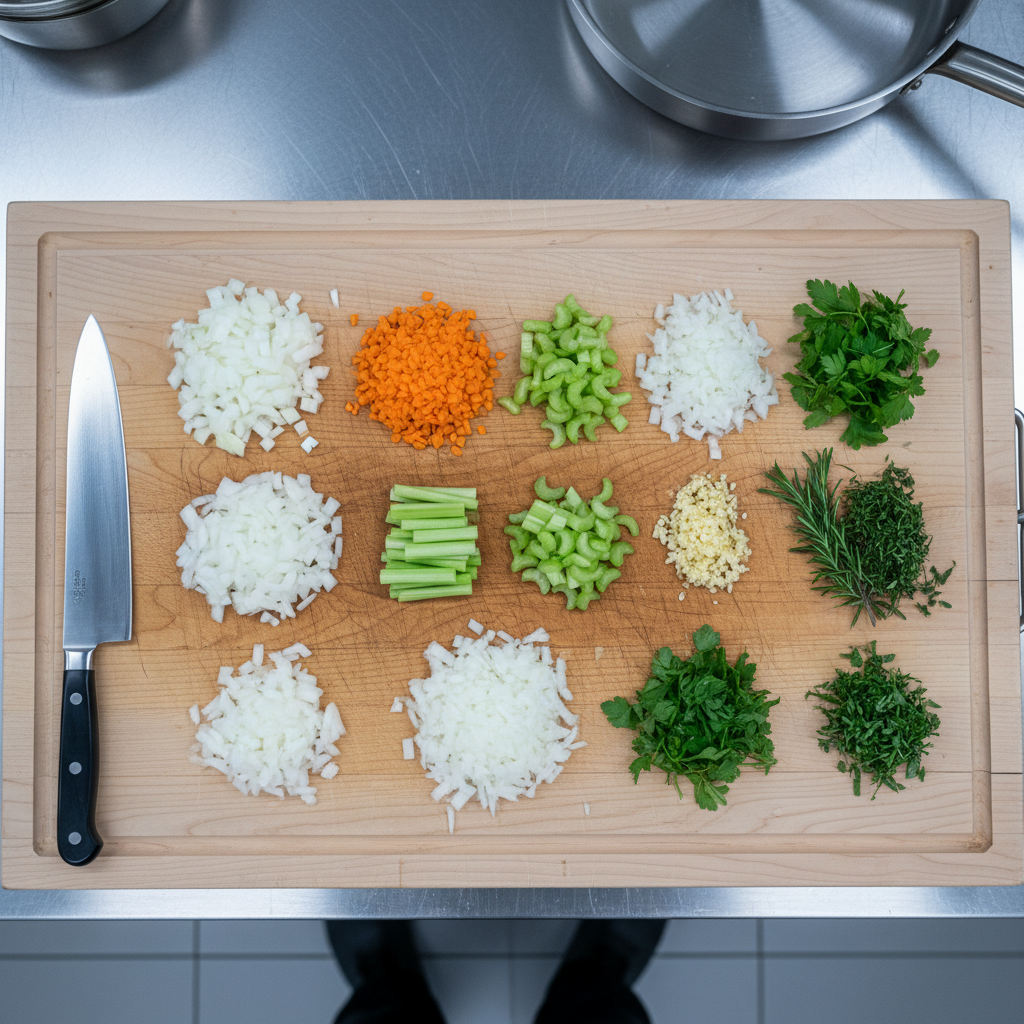
7 easy soup maker recipes (reliable, adjustable, not fussy)
These are written like repeatable templates. Amounts vary by machine size, so treat them as ratios and stay under your max line.
1) Creamy Tomato Basil (no “raw tomato” taste)
- Base: canned tomatoes + onion + garlic + broth
- Flavor lift: a small spoon of tomato paste, basil at the end
- Finish: a splash of cream or coconut milk, optional parmesan
2) Roasted Carrot Ginger
- Base: carrots + onion + broth
- Key move: roast carrots first if you can, otherwise sauté briefly in a pan for deeper sweetness
- Finish: fresh ginger added mid-cook, lime at the end
3) Classic Butternut Squash (sweet-savory balance)
- Base: squash + apple (small amount) + onion + broth
- Spices: pinch of nutmeg or curry powder
- Finish: Greek yogurt swirl if you want tang, add off-heat
4) Broccoli Cheddar (less gritty, more cozy)
- Base: broccoli stems + florets + onion + broth
- Thickener: small potato or a little white bean
- Finish: add shredded cheddar after heating stops, stir until smooth
5) Lentil Veggie (filling without heaviness)
- Base: red lentils + carrot + celery + onion + broth
- Seasoning: cumin, smoked paprika, bay leaf if your model allows
- Finish: lemon juice to brighten
6) Chicken Tortilla-Style (using leftovers)
- Base: salsa + broth + corn + cooked chicken
- Body: blend a portion, keep some chunky
- Finish: lime, cilantro, tortilla strips added in the bowl
7) Mushroom “Cream” Soup (without a floury vibe)
- Base: mushrooms + onion + broth
- Umami: a dash of soy sauce or Worcestershire, small amount
- Finish: cream cheese or cashew cream stirred in at the end
Ratio guide (the part most recipes don’t explain)
When people search soup maker recipes, they often want “tell me exactly what to do.” I get it, but different machines have different max lines, so ratios are safer and more portable.
| Soup style | Veg-to-liquid starting point | Best for | Adjust with |
|---|---|---|---|
| Smooth/pureed | About 2:1 by volume | Tomato, squash, carrot | Add broth to thin, potato/beans to thicken |
| Chunky | About 1:1 by volume | Veg + beans, chicken veg | Keep pieces uniform, add cooked items late |
| “Creamy” without cream | 2:1 + 1 small starchy veg | Broccoli, cauliflower | Blend longer, finish with acid for pop |
| Protein-forward | 1:1 with cooked protein added | Chicken, turkey, ham | Add meat after cooking if it dries out |
Key point: start thicker than you think for smooth soups, you can always thin after blending. Starting too thin is how you end up “seasoning water.”
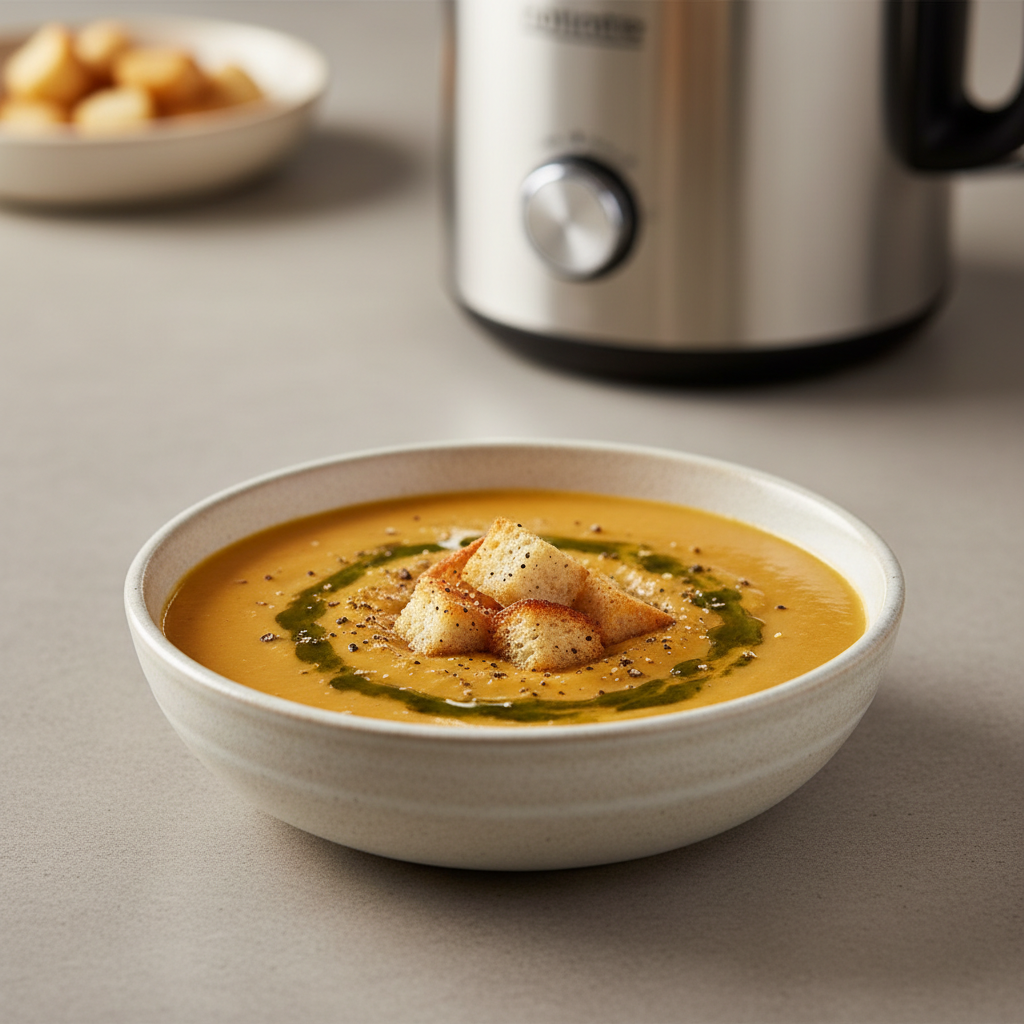
Step-by-step method you can reuse (even when you freestyle)
This is the repeatable workflow that makes soup maker recipes feel easy, not random.
- Build flavor first: if your model supports sauté, use it for onion and garlic, if not, a quick pan sauté helps.
- Load smart: harder veg on the bottom, softer items above, liquids last, stay under the max line.
- Pick the right cycle: smooth for puree, chunky for pieces, avoid blending cheese or pasta.
- Finish with “fresh”: acid (lemon, vinegar), herbs, and a little fat make the bowl taste finished.
Common mistakes (and what to do instead)
- Soup tastes flat: add salt in small steps, then add acid, then add a tiny bit of fat. Many people skip acid entirely.
- Bottom scorching: reduce starch early, add a bit more liquid, avoid thick purees on high heat cycles.
- Grainy texture: blend longer, use cooked starchy veg, and don’t rely on raw cauliflower alone for “creaminess.”
- Too salty: dilute with unsalted broth or water, then add more vegetables, not more seasoning.
- Dairy curdles: keep it for the end, and avoid boiling after adding.
If you deal with food allergies, swallowing difficulties, or medical diets, it’s wise to check with a qualified professional, since texture and sodium targets can matter more than the recipe itself.
Key takeaways for better soup maker results
- Choose texture first, then pick the cycle and cut size.
- Use ratios so you can scale to your machine without guesswork.
- Finish strong with acid and herbs, that’s where “restaurant taste” usually comes from.
- Keep dairy late, and treat pasta and rice as add-ins, not base ingredients.
You don’t need dozens of soup maker recipes saved to your phone, you need three or four you trust, plus a method that keeps working when your fridge looks random.
If you want a simple next step, pick one smooth soup and one chunky soup from above, cook them a week apart, and adjust only one variable each time, more salt, more acid, or a thicker base, so you learn what your machine “likes.”
FAQ
- What are the easiest soup maker recipes for beginners?
Tomato basil, carrot ginger, and red lentil veggie tend to be forgiving because they blend smoothly and don’t rely on delicate add-ins. - Can I put raw chicken in a soup maker?
Some machines can heat thoroughly, but it’s safer in many kitchens to add pre-cooked chicken to avoid uneven doneness; follow your model’s manual and food-safety guidance. - Why does my soup come out watery?
Usually too much liquid for the amount of veg, or choosing a chunky program when you expected a puree. Start thicker and thin after blending. - When should I add cream or cheese?
Add near the end when the heating cycle finishes, then stir to melt. Boiling dairy can separate, especially with acidic soups. - Do I need to sauté onions first?
Not always, but it often adds the “cooked” savory base people miss. If your model lacks sauté, a quick pan step is worth it for some soups. - Can I use frozen vegetables in soup maker recipes?
Yes, in many cases they work well. Expect a bit more water release, so slightly reduce broth or add a small starchy veg for body. - How do I store soup safely after cooking?
Cool promptly, refrigerate in shallow containers, and reheat thoroughly. If you’re unsure about timing, check USDA guidance for safe cooling and storage practices.
If you’re trying to build a small rotation of soup maker recipes that fit your schedule, it can help to start with two “base” soups and a short list of finishing add-ons like lemon, herbs, yogurt, and shredded cheese, that’s often the difference between okay soup and the kind you look forward to.