
Food hacks make the home kitchen feel less like a daily grind and more like a place where dinner actually happens on time. If you cook even a few nights a week, you’ve probably felt the same friction points, soggy produce, bland chicken, a sink full of gadgets, and leftovers nobody wants.
The good news is most problems aren’t about talent, they’re about tiny systems, how you store, prep, season, and clean as you go. The right shortcuts save time, reduce food waste, and make “good enough” meals taste surprisingly solid.
I’ll keep this practical, you’ll get quick “do this, not that” guidance, a simple cheat sheet table, and a few safety notes so the hacks don’t backfire.
What “smart” food hacks actually solve at home
Most kitchen frustration comes from predictable bottlenecks, not the recipe. When you fix the bottleneck, everything feels easier.
- Decision fatigue: you open the fridge, nothing looks usable, you default to takeout.
- Time compression: you have 25 minutes, but your process needs 45.
- Ingredient loss: herbs slime out, greens wilt, leftovers get forgotten.
- Flavor gaps: food tastes “fine,” so you snack later.
- Tool chaos: too many gadgets, too many steps, too much cleanup.
A smart hack is usually one of three things, a shortcut that doesn’t hurt quality, a setup step you do once that pays off all week, or a storage tweak that buys you extra days before spoilage.
A quick self-check: which kitchen pain is costing you the most?
If you’re not sure what to fix first, use this short checklist. Pick one area and commit for a week, that’s where you’ll notice real change.
- You throw out produce weekly because it goes bad before you cook it.
- You start cooking, then realize you’re missing a key ingredient.
- You dread chopping, it slows everything down.
- Your proteins turn out dry or bland more often than you’d like.
- Leftovers stack up, but don’t get eaten.
- Cleanup feels harder than cooking.
Key point: if waste is your top issue, prioritize storage and a “use-first” zone. If weeknights are the issue, prioritize prep and faster cooking methods.
Prep food hacks that save the most time (without meal-prep burnout)
People hear “meal prep” and picture five identical containers. You don’t need that. Think “prep components,” then mix and match.
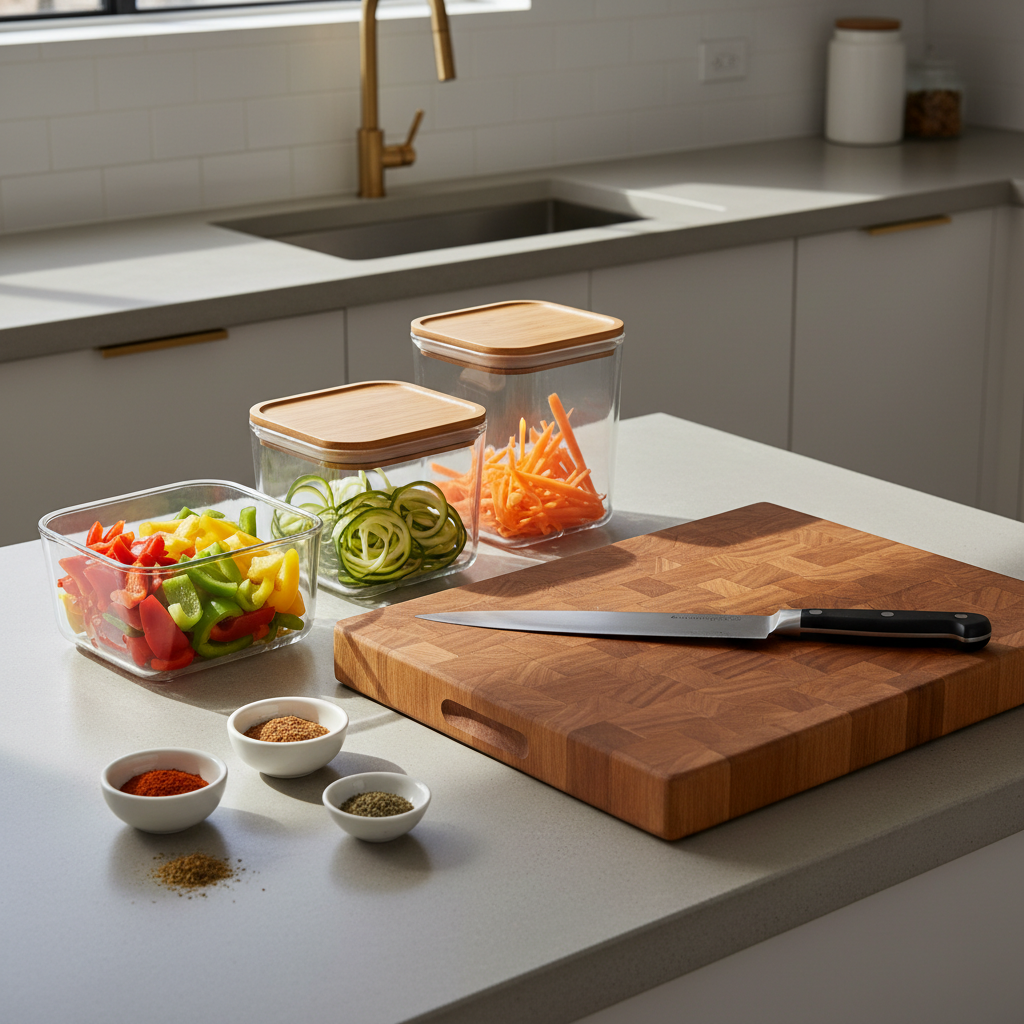
1) Build a 10-minute prep block, not a 2-hour project
- Wash and dry greens, then store with a paper towel to manage moisture.
- Cut one “workhorse” veg (onion, bell pepper, zucchini) for fast sautés.
- Cook one batch starch (rice, quinoa, potatoes) to reheat or crisp later.
Those three moves cover a lot of weeknight dinners and keep options open.
2) Freeze “future you” portions
- Freeze tomato paste in teaspoons (parchment-lined tray), then bag.
- Portion raw ground meat into thin, flat bags so it thaws quickly.
- Freeze chopped herbs in olive oil in an ice cube tray for sautés.
These food hacks don’t just save time, they stop that slow leak of money from tossing half-used ingredients.
3) Use the right cut to cook faster
Thin slices cook faster and brown better. If you’re rushing, slice chicken breast horizontally into cutlets, or choose thighs which tend to stay juicy under pressure.
Storage food hacks to cut waste and keep ingredients usable
Storage is where “good intentions” usually die. A few small rules keep food visible and in better shape.
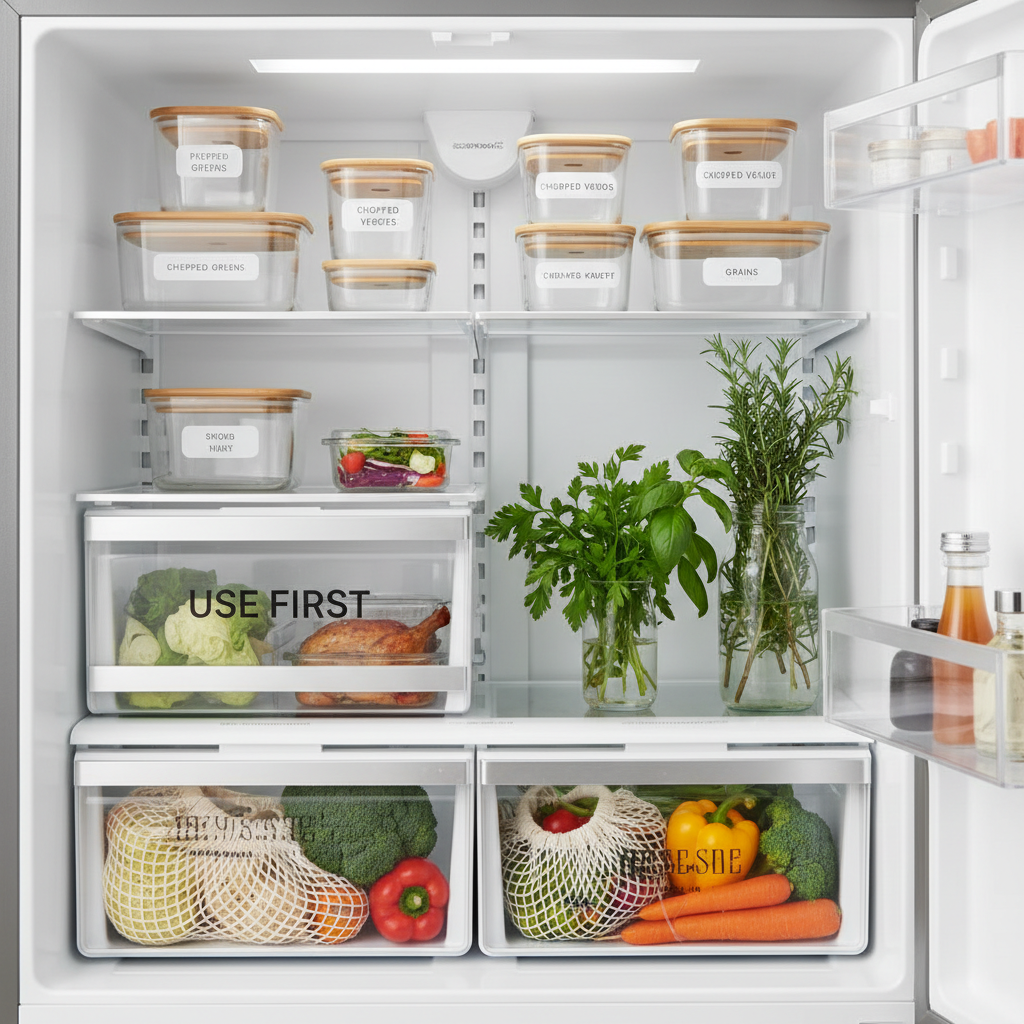
Use a “use-first” box
Put the most perishable items in one container at eye level. When you’re tired, you’ll cook what you see. This is an underrated hack because it works with real human behavior.
Herbs: treat them like flowers (most of the time)
- For cilantro/parsley: trim stems, stand in a jar with a little water, loosely cover, refrigerate.
- For basil: many kitchens do better at room temp with water, away from direct sun.
Results vary by home temperature and herb freshness, but this usually beats leaving the clamshell in the crisper.
Keep moisture under control
- Add a paper towel to containers of berries or greens, swap when damp.
- Don’t wash berries until you’re ready to eat, extra water speeds spoilage.
According to USDA Food Safety and Inspection Service, refrigeration slows bacterial growth, but it doesn’t stop it, so storage buys time, not infinite safety.
Flavor food hacks: make basic meals taste “restaurant-adjacent”
If your food tastes flat, it’s usually missing salt, acid, or a finishing texture. You don’t need complicated recipes to fix that.
Keep a simple flavor triangle in mind
- Salt: brings out flavor, but add in stages, not all at once.
- Acid: lemon, lime, vinegar, pickles, hot sauce, added at the end often helps most.
- Fat: olive oil, butter, tahini, avocado, helps flavors linger.
Try this on boring leftovers, add a squeeze of lemon and a drizzle of olive oil, then taste before adding more salt.
One-pan “finishers” that change everything
- Toasted nuts or seeds over salads, roasted veg, or bowls
- Grated hard cheese (Parmesan-style) over soups and pasta
- Crunch: crushed tortilla chips, panko browned in a little oil, or fried onions
These are food hacks you can apply even when dinner is just rotisserie chicken and bagged salad.
Cheat sheet table: common problems and quick fixes
If you only bookmark one part, make it this table. It turns “I don’t know what to cook” into a fast diagnostic.
| Kitchen problem | Likely cause | Quick hack |
|---|---|---|
| Veg gets soggy | Trapped moisture | Dry well, store with paper towel, use vented/loose containers |
| Chicken tastes bland | Under-seasoned, no acid | Salt earlier, finish with lemon or vinegar, add a crunchy topping |
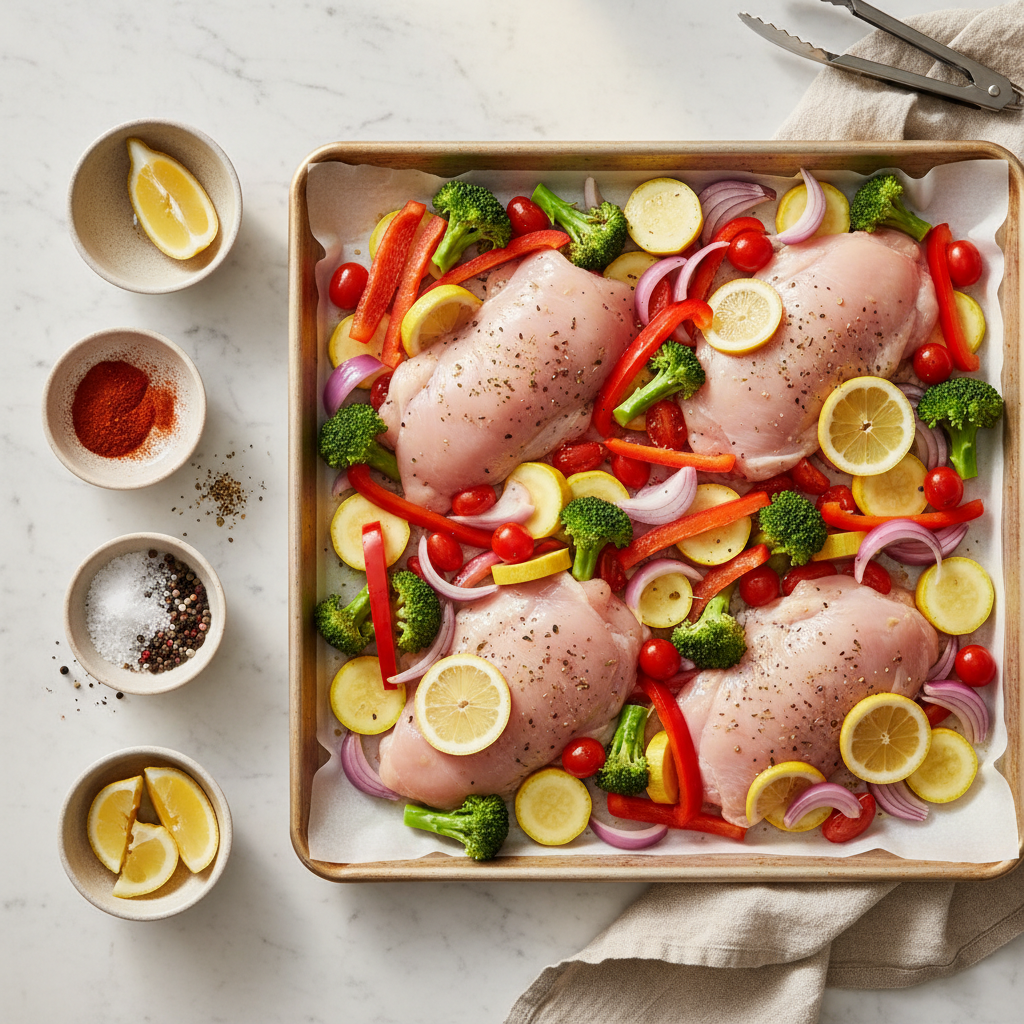
| Weeknight dinner runs long | Too much chopping, slow cooking | Use cutlets, frozen chopped veg, or sheet-pan cooking |
| Leftovers don’t get eaten | Same texture, same flavor | Repurpose: rice to fried rice, chicken to tacos, veg to frittata |
| Too many dishes | Too many tools | One cutting board, one bowl “trash zone,” sheet pan with foil/parchment |
Practical weeknight plan: a simple system you can repeat
Here’s a realistic loop for busy households. It’s not fancy, but it’s consistent.
- Pick 2 proteins: one fast (eggs, shrimp, tofu), one forgiving (chicken thighs, beans).
- Pick 2 vegetables: one fresh, one frozen backup.
- Pick 2 sauces: salsa + yogurt sauce, or pesto + vinaigrette.
- Pick 1 starch: rice, tortillas, pasta, potatoes, or bread.
With that set, you can build bowls, tacos, salads, pasta, or a sheet-pan meal without overthinking. Many food hacks are just “reduce decisions,” dressed up with better wording.
Tip that feels almost too simple: keep one “emergency dinner” always stocked, like pasta + jarred sauce + frozen spinach, or tortillas + beans + shredded cheese. It prevents the “nothing to eat” spiral.
Safety notes and common mistakes (so the hacks don’t backfire)
Shortcuts should not create food safety issues. If something smells off, has an odd texture, or you’re unsure about how long it has sat out, it’s usually smarter to toss it.
- Don’t cool big hot pots in the fridge: divide into smaller containers so it cools faster.
- Marinating: keep it refrigerated, and don’t reuse marinade as sauce unless it’s boiled.
- Thawing: avoid countertop thawing for long periods, plan fridge thawing or use cold-water method.
According to CDC, harmful bacteria can multiply quickly in the “danger zone” temperatures, so time and temperature control matter more than most hacks.
Conclusion: keep the hacks that fit your real life
The best food hacks are the ones you’ll actually repeat on a Wednesday when you’re tired. Start with one change that removes friction, a use-first bin, a 10-minute prep block, or a flavor finisher you genuinely like, then build from there.
If you want a simple next step, pick one storage fix and one weeknight cooking shortcut, try them for seven dinners, and keep only what makes your kitchen feel calmer.
FAQ
What are the most useful food hacks for busy weeknights?
Thin-cut proteins, frozen chopped vegetables, and one-pan cooking tend to give the biggest time return. Pair that with a sauce you like, and you can rotate meals without feeling stuck.
How can I reduce food waste without doing full meal prep?
Create a “use-first” spot and keep ingredients visible. A small habit, like planning one leftover night, often matters more than cooking everything on Sunday.
Do these hacks work for healthy eating too?
Usually, yes, because the main wins are less takeout and more home-cooked meals. If you have specific dietary needs, it may help to ask a registered dietitian for tailored guidance.
Is it safe to wash and prep produce days in advance?
Many people do, but results vary by item. Drying well and storing with moisture control helps, and when in doubt, prep closer to use for delicate berries and greens.
How do I make leftovers taste good the next day?
Change the texture and add acid at the end. Crisp rice in a pan, turn chicken into tacos, or add pickles and a squeeze of lemon to brighten heavier dishes.
What’s one hack for better flavor without extra calories?
Acid is the easiest lever, a little vinegar or citrus at the end can make food taste more “awake” without adding much. Start small, then adjust after tasting.
Which kitchen tools matter most for these food hacks?
A sharp chef’s knife, a sturdy cutting board, and one sheet pan cover a lot. More tools can help, but too many often create cleanup resistance.
How often should I rotate pantry and freezer items?
A quick monthly scan is realistic for most homes. Put newer items behind older ones, and label freezer bags with the date so “mystery meals” don’t pile up.
If you’re already cooking at home but it still feels stressful, it might help to pick two or three food hacks that match your schedule and your tolerance for prep, then build a small routine around them instead of chasing a perfect system.