
best kanji vada recipe rajasthani is really a two-part skill: getting a clean, tangy kanji ferment, then making vadas that stay airy and soak without turning heavy. If your kanji ends up flat, overly pungent, or your vadas dissolve into mush, you’re not alone, it’s usually one small step that throws the whole batch off.
For U.S. kitchens, the extra challenge is ingredient access and indoor temperatures that swing wildly, one week it’s 68°F, the next it’s 78°F. Fermentation reacts fast, so you need a method that flexes without guessing. This guide keeps it practical: what to buy, how to time it, and how to rescue a batch before you dump it.
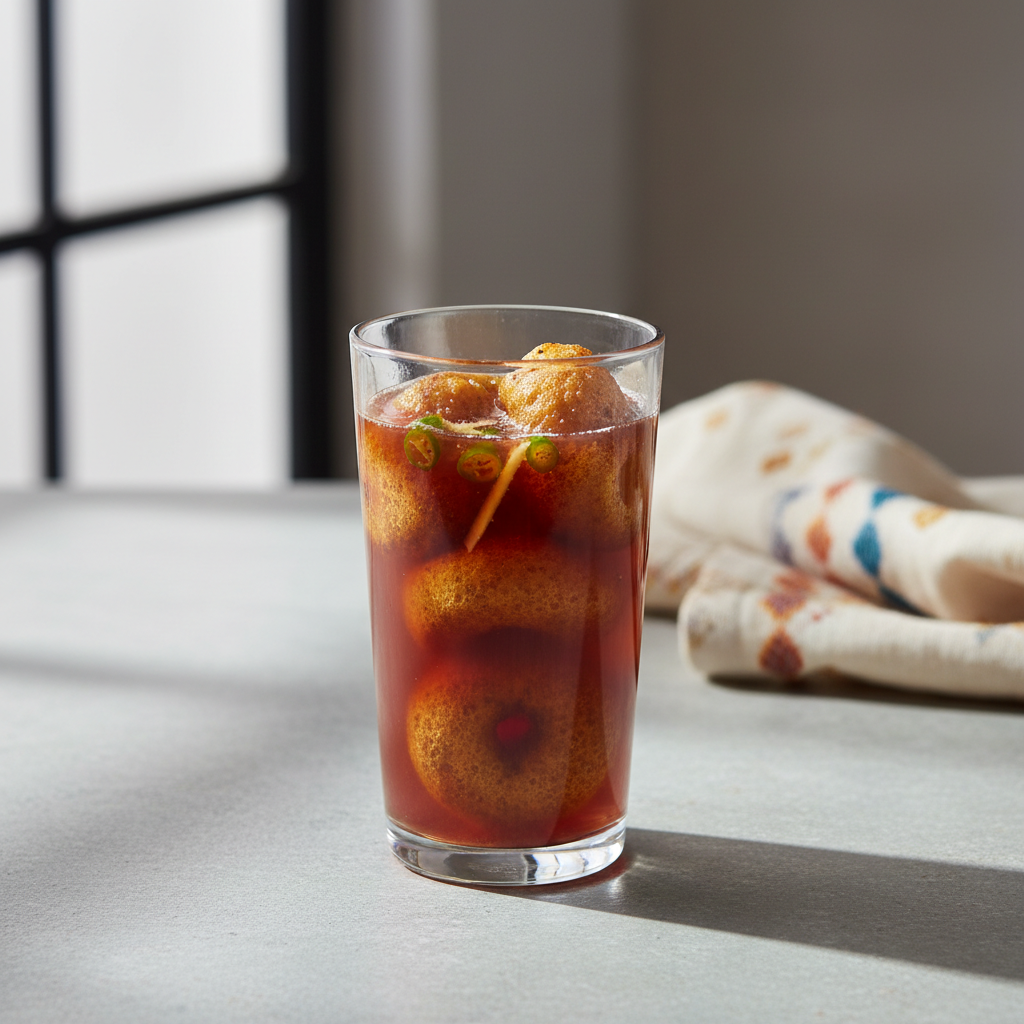
I’ll also call out the common misunderstandings, like using iodized salt, or fermenting in an airtight jar, or skipping the “vadas must be dry before soaking” rule. Those sound minor, but they show up in the final taste.
What makes Rajasthani-style kanji vada different
Across North India, kanji varies, but Rajasthani versions often lean bold and clean: strong mustard note, chili warmth, and a sharp-sour finish that stays refreshing. The vadas are typically urad dal based, light, and designed to drink up flavor without becoming dense.
- Spice profile: mustard-forward, often with roasted cumin and red chili.
- Color: can be pale golden to deep amber depending on chili and mustard amounts, not always beet-red.
- Texture goal: kanji stays clear-ish and lively, vadas stay spongy.
In the U.S., the main adaptation is sourcing: black mustard seeds are easy, but hing quality varies, and some chili powders are much hotter than Indian brands. So the “best” version is less about chasing a single exact taste, more about controlling fermentation and balancing heat.
Ingredients and smart substitutions (U.S. friendly)
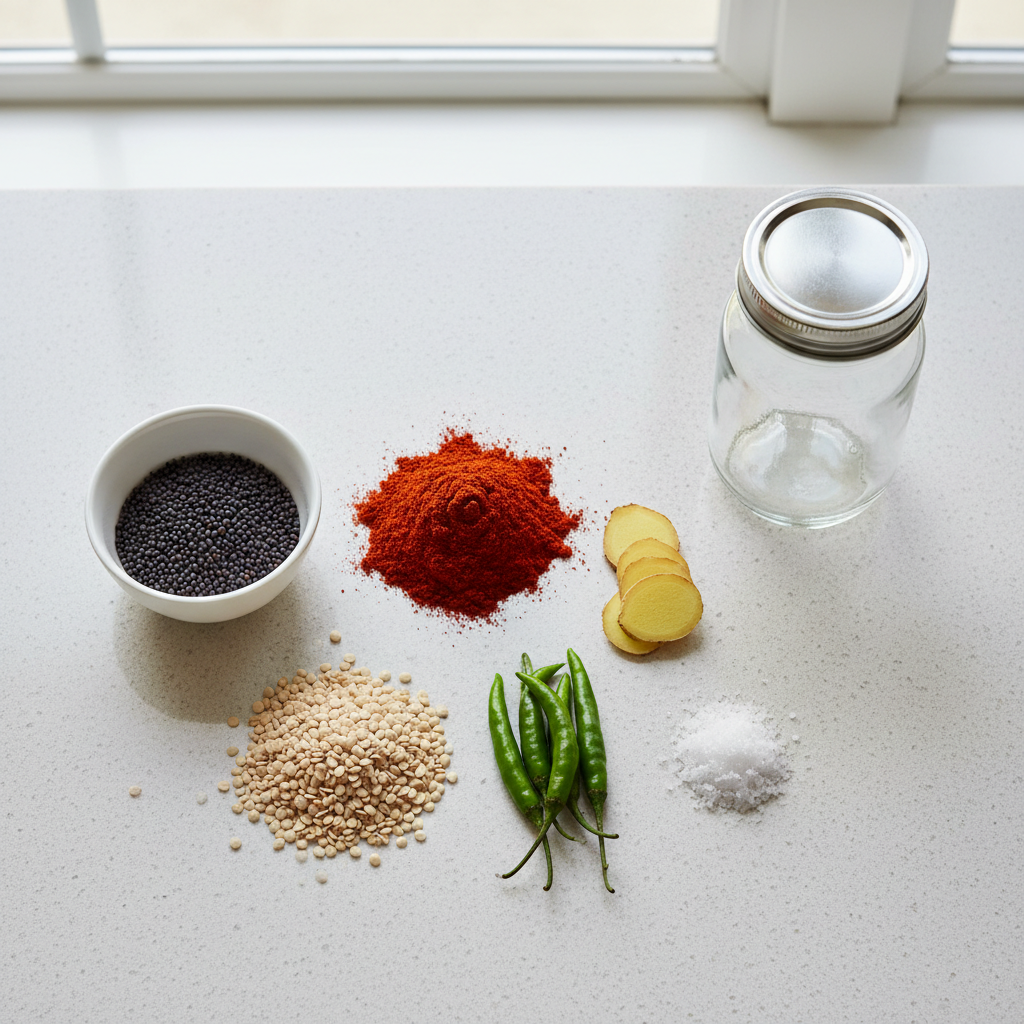
Here’s what you need for a batch that serves 6 to 8 as a snack or side. If you’re shopping at an Indian grocery, it’s straightforward, if not, I’ll note swaps that still respect the flavor.
Kanji base
- Water: filtered water is safer for consistent fermentation.
- Black mustard seeds (rai): 3 tbsp, coarsely crushed.
- Red chili powder: 1 to 2 tsp, adjust to your brand’s heat.
- Salt: 2 to 2.5 tsp non-iodized (sea salt or kosher).
- Hing (asafoetida): a pinch, optional but classic.
Vadas
- Urad dal (split, skinned): 1 cup.
- Ginger: 1 tsp grated.
- Green chili: 1 small, finely chopped (optional).
- Salt: 1/2 tsp.
- Oil: neutral frying oil (peanut, avocado, canola).
Substitutions that usually work: If hing is hard to find, skip it rather than using a stale jar that tastes like cardboard. If you only have brown mustard seeds, they can work, but black mustard is typically sharper. For spice, Kashmiri chili gives color with mild heat; if you use cayenne, start tiny.
Quick self-check: why your kanji or vadas fail
If you want the best kanji vada recipe rajasthani result, this checklist saves time. Most issues land in one of these buckets.
- Kanji smells “rotten” or overly funky: often dirty jar, unfiltered water, or too-warm fermentation.
- Kanji tastes flat, not tangy: mustard not crushed enough, too-cold room, or fermentation cut short.
- Kanji turns slimy: contamination risk, discard and restart, don’t try to “spice it away.”
- Vadas come out dense: batter not aerated enough, dal too warm, or over-watered.
- Vadas break in kanji: vadas soaked too long in plain water, or added while still oily/wet.
According to the USDA, safe food handling depends on clean equipment and avoiding cross-contamination, which matters even more when you’re fermenting at room temperature.
If you’re serving kids, pregnant people, older adults, or anyone immunocompromised, be extra cautious with homemade ferments and consider checking with a healthcare professional, since risk tolerance varies by situation.
Step-by-step: ferment the kanji (the part that sets the flavor)
This is the “set it up right, then mostly leave it alone” stage. Expect 2 to 4 days in many homes, but temperature drives the clock.
1) Prep the jar and spices
- Wash a glass jar and lid with hot soapy water, rinse well, air dry.
- Coarsely crush mustard seeds, a mortar and pestle works great, a spice grinder pulsed briefly also works.
- Add crushed mustard, chili powder, salt, and hing to the jar.
2) Add water and start fermentation
- Pour in 6 cups filtered water, stir with a clean spoon.
- Cover with a clean cloth or coffee filter and a rubber band, avoid airtight sealing early on.
- Keep at room temperature, out of direct sun.
3) Daily check (30 seconds, that’s it)
- Stir once daily with a clean spoon.
- By day 2, you often notice tang and a mustardy aroma, small bubbles may appear.
- When it tastes pleasantly sour and bright, move to the fridge to slow fermentation.
Timing tip for U.S. homes: At 70–72°F, 3 days is common. At 78°F, it may feel “done” earlier. Trust taste more than a calendar, but don’t push a questionable smell.
Step-by-step: make vadas that stay spongy (not greasy)
Good vadas are mostly air. That’s why people get frustrated: the ingredient list is short, but texture depends on technique.
1) Soak and grind
- Soak urad dal 4 to 6 hours, drain well.
- Grind with minimal water until thick and fluffy, think “soft frosting,” not pancake batter.
- Mix in ginger, green chili, salt.
2) Aerate the batter
- Whisk vigorously 2 to 4 minutes or beat with a spoon until lighter.
- Do a quick float test: drop a tiny bit in water, if it floats, you’re close.
3) Fry with control
- Heat oil to medium, too hot browns outside while inside stays raw.
- Wet your fingers, shape small rounds, slide into oil.
- Fry until pale golden, flip gently, drain well on a rack or paper.
Key point: If you want the best kanji vada recipe rajasthani experience, keep vadas smaller than you think, they soak more evenly and feel lighter in the glass.
Assemble kanji vada: soak, squeeze, then marry flavors
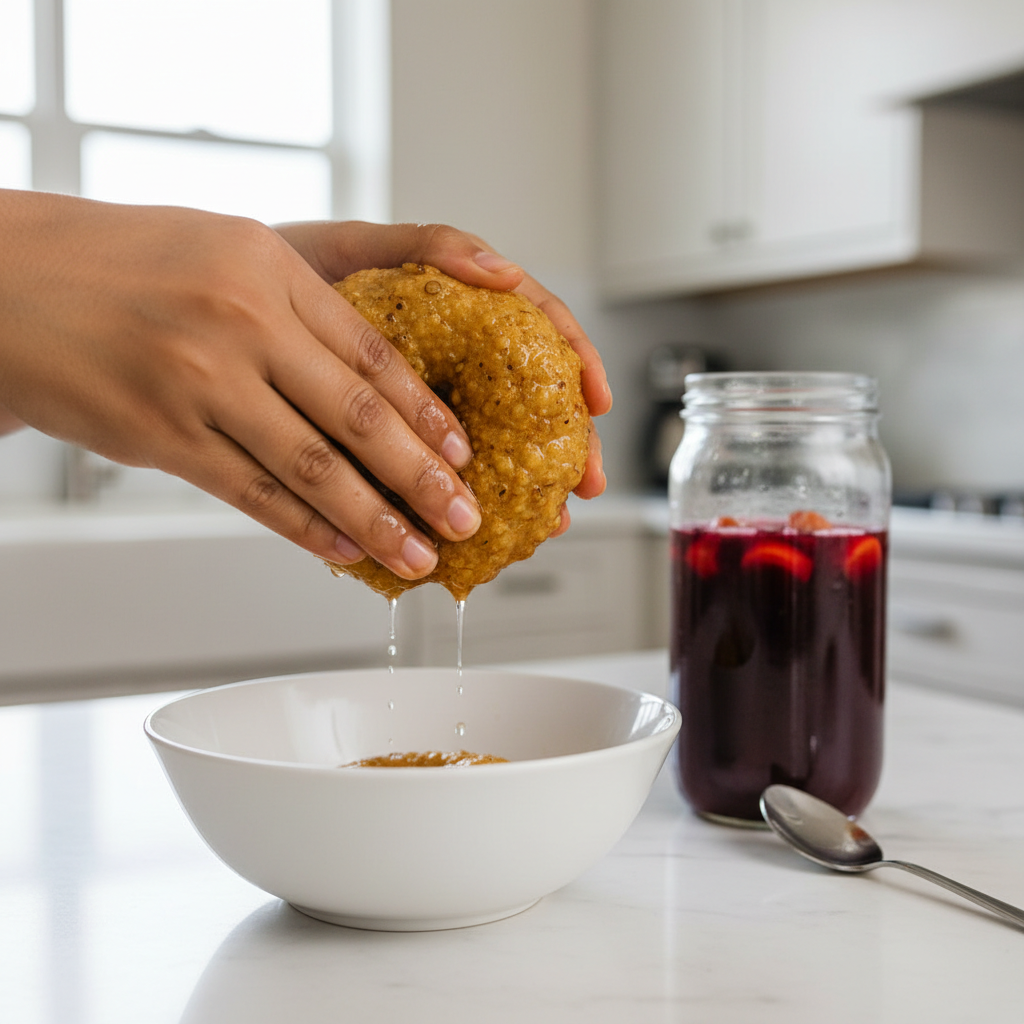
This is where many batches go wrong: people drop hot, oily vadas straight into kanji, then blame the drink for turning murky. Give the vadas a short prep first.
- Let fried vadas cool 10 to 15 minutes.
- Soak in warm water 10 minutes to soften.
- Lift and gently squeeze to remove extra water, don’t crush them flat.
- Drop into chilled or room-temperature kanji, rest 30 to 60 minutes before serving.
At this point, taste and adjust: a pinch of salt can wake it up, a tiny sprinkle of roasted cumin can add depth, but avoid “fixing” a weak ferment with lots of extra spice, it usually tastes muddy.
Serving style: In many homes, kanji vada is served in glasses, vadas inside, topped with a dusting of chili and cumin. If you prefer a cleaner sip, serve vadas in a bowl and pour kanji around them.
Troubleshooting table: fix common problems fast
Here’s a quick reference for the most common “why did this happen?” moments.
| Problem | Likely cause | What to do next time |
|---|---|---|
| Kanji not sour after 3 days | Room too cold, mustard not crushed | Move to warmer spot, crush mustard coarser, wait 1 more day |
| Kanji too sharp or harsh | Over-fermented in warm temp | Refrigerate sooner, reduce ferment time |
| Cloudy kanji | Oil or wet vadas added, not squeezed | Drain vadas well, soak-squeeze before adding |
| Vadas dense | Batter too watery, not aerated | Use less water while grinding, whisk longer |
| Vadas greasy | Oil temp too low | Heat oil properly, fry in smaller batches |
Key takeaways and practical advice (so you repeat the win)
- Crush mustard seeds, don’t just toss them in whole, extraction drives flavor.
- Use non-iodized salt for more predictable fermentation behavior.
- Ferment with airflow early on, cloth cover beats airtight sealing.
- Soak-squeeze vadas before adding to kanji, texture stays right.
- Refrigerate once you like the tang, your “perfect sour” is personal.
If you’re meal-prepping, store kanji and vadas separately, combine only what you’ll serve in the next day or so. Many batches taste fresher that way, especially in a fridge that cycles cold and warm.
Conclusion: a “best” batch is really a controlled batch
The best kanji vada recipe rajasthani isn’t about exotic tricks, it’s clean fermentation, bold mustard, and vadas that carry air. Once you nail those, the rest becomes small adjustments: chili level, tang level, and how long you let the vadas mingle in the kanji.
If you want a simple action plan, start with two moves: crush mustard fresh, and soak-squeeze every vada before it touches the jar. Make one batch, take quick notes on day count and room temp, and your next round will taste more “yours” in the best way.
FAQ
How long should kanji ferment in an American kitchen?
Many homes land around 2 to 4 days, but temperature matters more than the number. Taste daily, when it turns pleasantly tangy and smells clean, refrigerate to slow it down.
Can I make kanji vada without hing?
Yes. Hing adds a savory edge, but it’s optional. If your hing is old or smells stale, skipping it often tastes better than forcing it in.
Why did my kanji turn cloudy after adding vadas?
Usually oil or extra water enters the jar, or the vadas weren’t squeezed. Cool, soak in warm water, gently squeeze, then add to kanji.
Is it okay to ferment kanji in a sealed jar?
For the active ferment stage, a breathable cover tends to work better since gases need to escape. Once it tastes right, you can cap and refrigerate.
Can I bake or air-fry the vadas instead of deep-frying?
You can, but texture changes, they may be drier and less spongy, which affects how they soak. If you try it, keep them small and don’t overbake.
What’s the best chili powder for this recipe in the U.S.?
Kashmiri chili is popular for color and gentle heat, but availability varies. If you only have cayenne, reduce the amount a lot and add gradually after tasting.
How do I know if my ferment is unsafe?
If you notice slime, mold, or a truly rotten odor, it’s safer to discard and restart with a cleaner jar and filtered water. When in doubt, especially for higher-risk eaters, consult a food safety professional.
If you’re trying to serve kanji vada at a gathering and you want a more predictable result, consider doing a small test jar first, then scaling once you know your room temperature and spice brands, it saves stress and avoids last-minute “why is it so strong?” surprises.