
Eggplant parmesan baked is the weeknight-friendly answer when you want that classic Italian-American comfort, but not the stovetop splatter or heavy, oily finish. The baked approach can still deliver crisp edges, a saucy center, and melty cheese, as long as you set it up right.
If you’ve tried it before and ended up with a watery pan, rubbery eggplant, or a casserole that tastes “fine” but not craveable, it usually comes down to a few fixable details: moisture management, breading technique, and how you layer sauce.
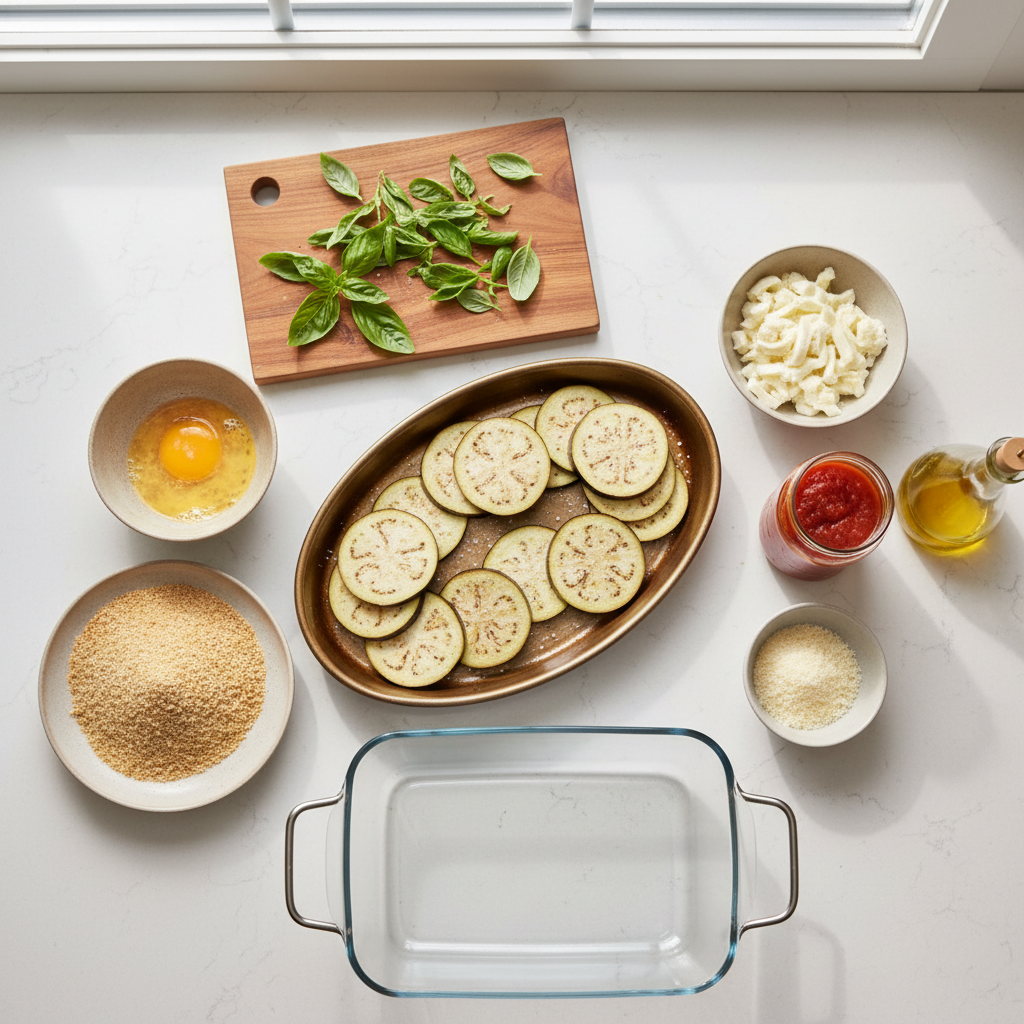
Below you’ll get a practical recipe plus the “why it works” notes, so you can adjust for your oven, your sauce, and how crispy you actually want it. I’ll also include make-ahead moves, storage, and a quick troubleshooting table for the usual pain points.
What “Baked” Changes (and Why It Sometimes Goes Wrong)
Baking changes the texture game. Frying drives off surface moisture fast and sets the crust quickly, while baking is gentler, so eggplant has more time to release water. That’s where the sogginess starts.
Most issues fall into a few buckets:
- Too much moisture: eggplant sweats, sauce is thin, or you over-sauce the layers.
- Coating not set: breading goes on uneven, or the slices don’t get enough heat exposure.
- Pan crowding: steam builds up instead of roasting, so crispness never shows up.
- Cheese timing: cheese can insulate the crust if added too early in thick layers.
According to USDA Food Safety and Inspection Service (FSIS), egg dishes should be cooked until eggs are firm and foods reach safe internal temperatures; if you’re using an instant-read thermometer, you can target 165°F for casseroles with egg-based coatings and leftovers reheating, especially when serving higher-risk guests.
Ingredients and Smart Substitutions
This recipe aims for “crispy enough to feel like the classic,” without deep frying. It serves about 4 to 6, depending on appetites and sides.
Core ingredients
- 2 medium globe eggplants (about 2 to 2.5 lb total)
- Kosher salt
- 2 large eggs
- 1/3 cup milk (or water)
- 1 1/2 to 2 cups Italian-style breadcrumbs (or panko + Italian seasoning)
- 1/2 cup grated Parmesan
- 2 to 3 cups marinara sauce (thicker usually behaves better)
- 10 to 12 oz mozzarella, shredded or thin-sliced
- Olive oil spray or a few tablespoons olive oil
- Optional: basil, red pepper flakes, black pepper
Substitutions that actually work
- Gluten-free: use gluten-free panko or crushed rice cereal, add extra Parmesan for flavor.
- Lower dairy: use part-skim mozzarella, go lighter on cheese and finish with a smaller amount of Parmesan.
- No eggs: a thicker plant-based milk mixed with a spoon of flour can help breadcrumbs stick, though crust may be a bit less sturdy.
- Jar sauce: simmer 5 to 10 minutes to thicken, watery sauce is a common reason eggplant parmesan baked turns soft.
Quick “Is This Going to Get Soggy?” Checklist
If you want a fast gut-check before you start, run through this list. Two or more “yes” answers usually means you should tweak technique.
- Is your marinara thin enough that it runs like soup?
- Are you planning to bread and immediately stack slices in a dish (no pre-bake on a sheet pan)?
- Will your eggplant slices be thicker than 1/2 inch?
- Are you using a small baking sheet where slices must overlap?
- Do you typically pull casseroles early because the cheese looks done?
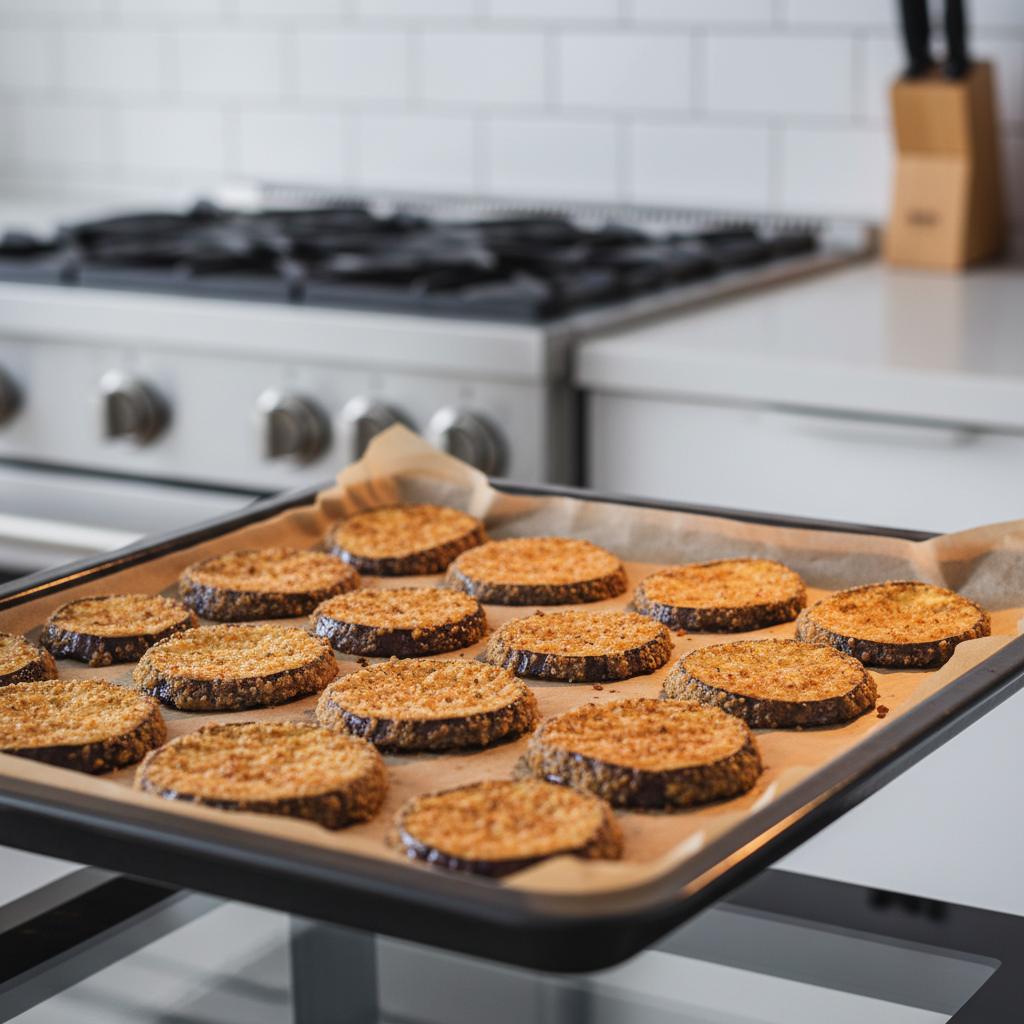
One thing people underestimate: if you skip the sheet-pan crisping step, you’re basically asking the breading to crisp while sitting under sauce. It can happen, but it’s much less forgiving.
Step-by-Step: Baked Eggplant Parmesan That Holds Its Shape
Plan on about 20 minutes prep, 30 to 45 minutes bake time, depending on your oven and how thick you cut slices.
1) Salt and drain the eggplant (don’t overthink it)
Slice eggplant into 1/3- to 1/2-inch rounds. Lay on paper towels or a rack, sprinkle both sides with kosher salt, wait 20 to 30 minutes, then blot dry.
- Why: draws out excess moisture, improves browning.
- Shortcut: if you’re in a rush, blot aggressively and keep slices thinner; it’s not perfect, but it’s usually fine.
2) Set up a simple breading station
Whisk eggs with milk. In a separate bowl, combine breadcrumbs and Parmesan, add pepper or red pepper flakes if you like.
- Dip eggplant in egg wash, let excess drip off.
- Press into breadcrumb mix firmly so it adheres.
3) Pre-bake on a sheet pan for crispness
Heat oven to 425°F. Place breaded slices on a parchment-lined sheet pan, spray or drizzle lightly with olive oil. Bake 15 minutes, flip, then bake 8 to 12 minutes until golden.
- Spacing matters: leave a little room so edges roast, not steam.
- Color is a cue: pale breading now usually means soggy later.
4) Assemble with a light hand on sauce
Lower oven to 400°F. Spoon a thin layer of marinara into a 9x13 dish. Add a layer of eggplant, then small spoonfuls of sauce (not a flood), then mozzarella. Repeat 2 to 3 layers, finish with mozzarella and a little Parmesan.
If you love extra sauce, serve it on the side. That one move keeps the casserole structured.
5) Bake, then rest
Bake 20 to 25 minutes until bubbling at edges and cheese melts. Broil 1 to 2 minutes for browning if needed. Rest 10 to 15 minutes before slicing.
- Resting isn’t optional: it thickens the sauce in the pan and helps slices hold together.
Timing Guide and Troubleshooting Table
Ovens vary, sauces vary, and eggplant varies too. Use this as a practical reference instead of chasing perfection.
| Problem | Likely cause | Fix next time |
|---|---|---|
| Soggy bottom | Too much sauce, watery marinara, no sheet-pan crisping | Thicken sauce, pre-bake slices, sauce lightly and serve extra on side |
| Breading falls off | Too wet, not pressed in, flipped too early | Blot eggplant well, press crumbs firmly, flip after crust sets |
| Tough or chewy eggplant | Slices too thick, under-roasted before assembling | Cut 1/3–1/2 inch, roast until truly golden |
| Greasy feel | Heavy oil drizzle, full-fat cheese piled thick | Use oil spray, moderate cheese per layer |
| Watery after resting | Not rested long enough, sauce too thin, eggplant not drained | Rest 15 minutes, simmer sauce, salt-drain eggplant |
Make-Ahead, Storage, and Reheating (So It Stays Crisp-ish)
Eggplant parmesan baked is at its best right after the final bake, but you can get close with the right prep strategy.
Make-ahead options
- Best texture: bread and sheet-pan bake the slices, cool, refrigerate up to 24 hours, then assemble and bake next day.
- Most convenient: assemble fully, cover, refrigerate, bake next day. Expect slightly softer crust.
Storage
- Refrigerate leftovers in an airtight container up to 3 to 4 days in many home kitchens.
- Freeze portions up to 2 to 3 months for best quality; texture may soften after thawing.
Reheating
- Oven: 350°F until hot throughout, often 15 to 25 minutes depending on portion size.
- Air fryer: works well for single portions if you want edges to re-crisp.
- Microwave: convenient, but expect the breading to soften.
According to USDA Food Safety and Inspection Service (FSIS), leftovers should be reheated until steaming hot; if you’re unsure, using a food thermometer can add confidence, especially for packed casseroles.
Serving Ideas and Practical Key Takeaways
This dish is rich even when baked, so the best sides usually feel fresh or a little sharp.
- Arugula salad with lemon vinaigrette
- Garlicky broccoli rabe or roasted broccolini
- Simple spaghetti aglio e olio, light on oil
- Crusty bread if you’re leaning comfort-food all the way
Key points to remember if you want consistent results:
- Roast the breaded slices first, it’s the easiest way to avoid mush.
- Keep sauce controlled, extra sauce belongs on the plate, not in the layers.
- Rest before cutting, it sets up and tastes better.
- Don’t crowd the pan, steam is the enemy of crispness.
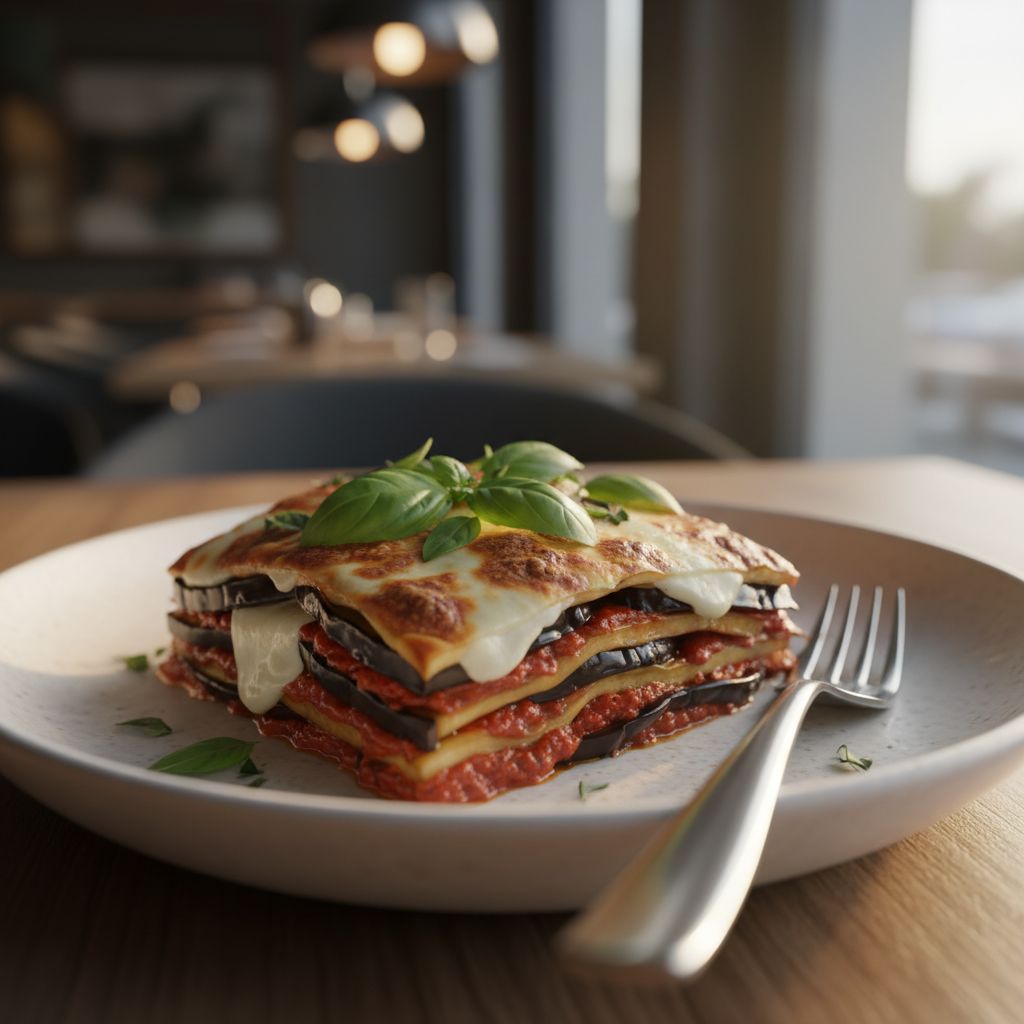
Once you get the moisture and layering right, you stop chasing workarounds and the recipe becomes repeatable, even on a random Tuesday.
Conclusion: A Baked Version You’ll Actually Want to Make Again
Eggplant parmesan baked can taste every bit as comforting as the fried version, but it rewards a slightly more deliberate setup: drain the eggplant, crisp it on a sheet pan, then assemble with restraint. Do that, and you’ll get clean slices, bold flavor, and far fewer dishes to scrub.
If you cook this once, make one small note for next time, maybe you prefer thicker sauce, maybe your oven needs an extra 5 minutes to brown, and dial it in. That’s how this dish turns from “pretty good” to dependable.
FAQ
How do I keep baked eggplant parmesan from getting watery?
Drain the eggplant with salt, use a thicker marinara, and avoid fully coating each layer in sauce. In a lot of kitchens, serving extra sauce on the side makes the biggest difference.
Do I have to peel eggplant for eggplant parmesan baked?
Usually no. The peel softens during roasting and adds structure. If your eggplant is very large or the skin seems tough, peeling strips (not fully) can be a nice compromise.
Can I make it without breadcrumbs?
You can, but texture shifts toward more of a baked eggplant-and-cheese casserole. If you still want a crust-like feel, crushed gluten-free crackers or almond flour mixed with Parmesan can work, though browning may vary.
Is it better to bake eggplant slices on a rack?
A rack can help air circulate and reduce steaming, especially if your oven runs humid. Parchment on a sheet pan still works well; just give slices space and flip once.
What’s the best cheese blend for a balanced flavor?
Mozzarella for melt, Parmesan for salty sharpness is the classic. If you want a bit more tang, a small amount of provolone can fit in, but too much can dominate.
Can I assemble eggplant parmesan baked the day before?
Yes, it’s common, but expect a softer crust. For better texture, roast the breaded slices first, refrigerate them, then assemble right before baking.
Why is my eggplant parmesan bland even with sauce and cheese?
It’s often under-seasoning in the breading layer. Season the crumbs, add Parmesan to the coating, and make sure your marinara has enough salt and acidity.
If you’re trying to make eggplant parmesan baked a regular dinner, consider building a “repeatable kit” routine: keep a marinara you trust, stock panko and Parmesan, and roast extra eggplant slices so the next round is mostly assembly and baking.