
how to make brownies fudgy chewy comes down to a few controllable choices, fat-to-flour ratio, how you dissolve sugar, and when you stop baking, not some mysterious “secret recipe.” If your brownies keep turning cakey or crumbly, it’s usually a small technical miss that snowballs in the oven.
This texture matters because brownies are unforgiving, a couple extra minutes of bake time or a slightly different cocoa can push you from dense and gooey to dry and airy. The good news, you can get that shiny top, chewy edge, and fudgy center consistently once you know which levers to pull.
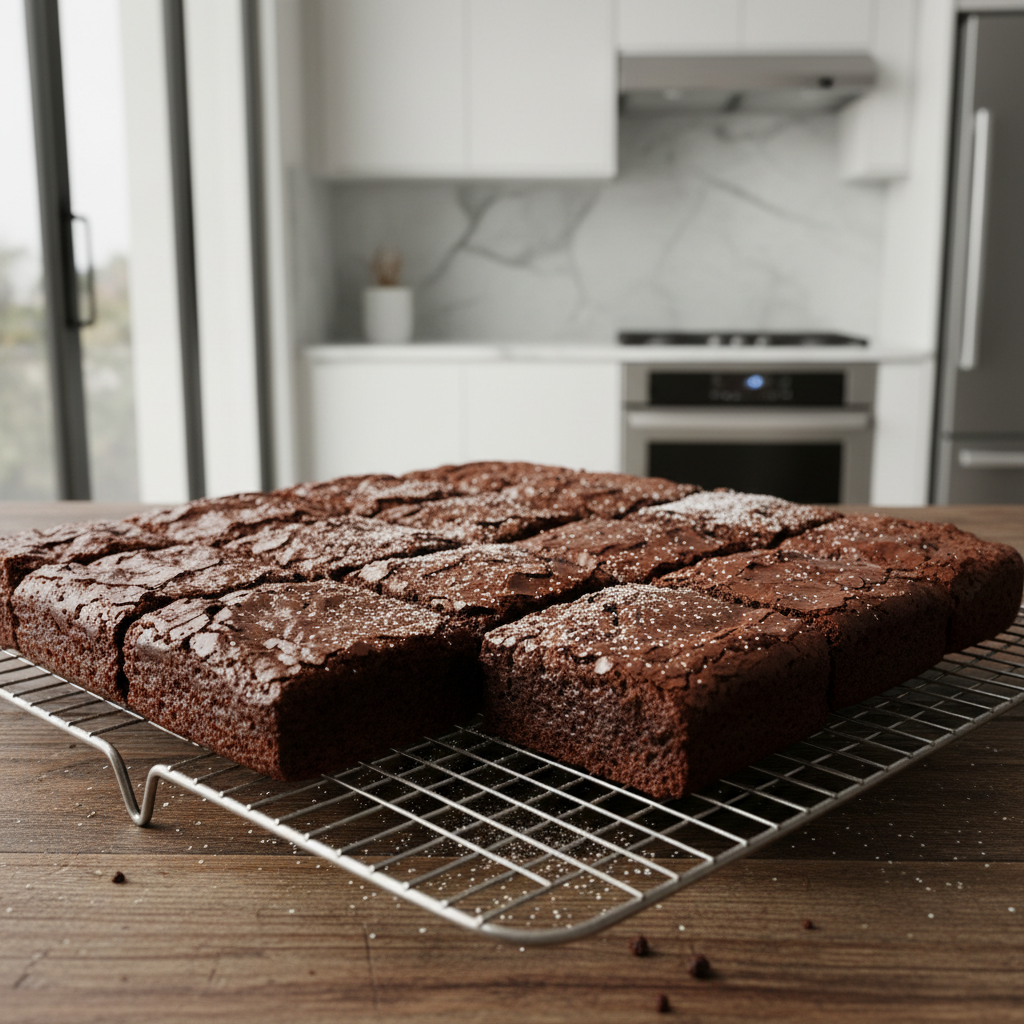
I’ll walk you through what “fudgy” and “chewy” actually mean in brownie terms, a quick diagnostic checklist, and a practical method you can repeat with either cocoa powder or melted chocolate. No fluff, just the stuff that changes results.
What “Fudgy” vs “Chewy” Means (and Why Brownies Go Wrong)
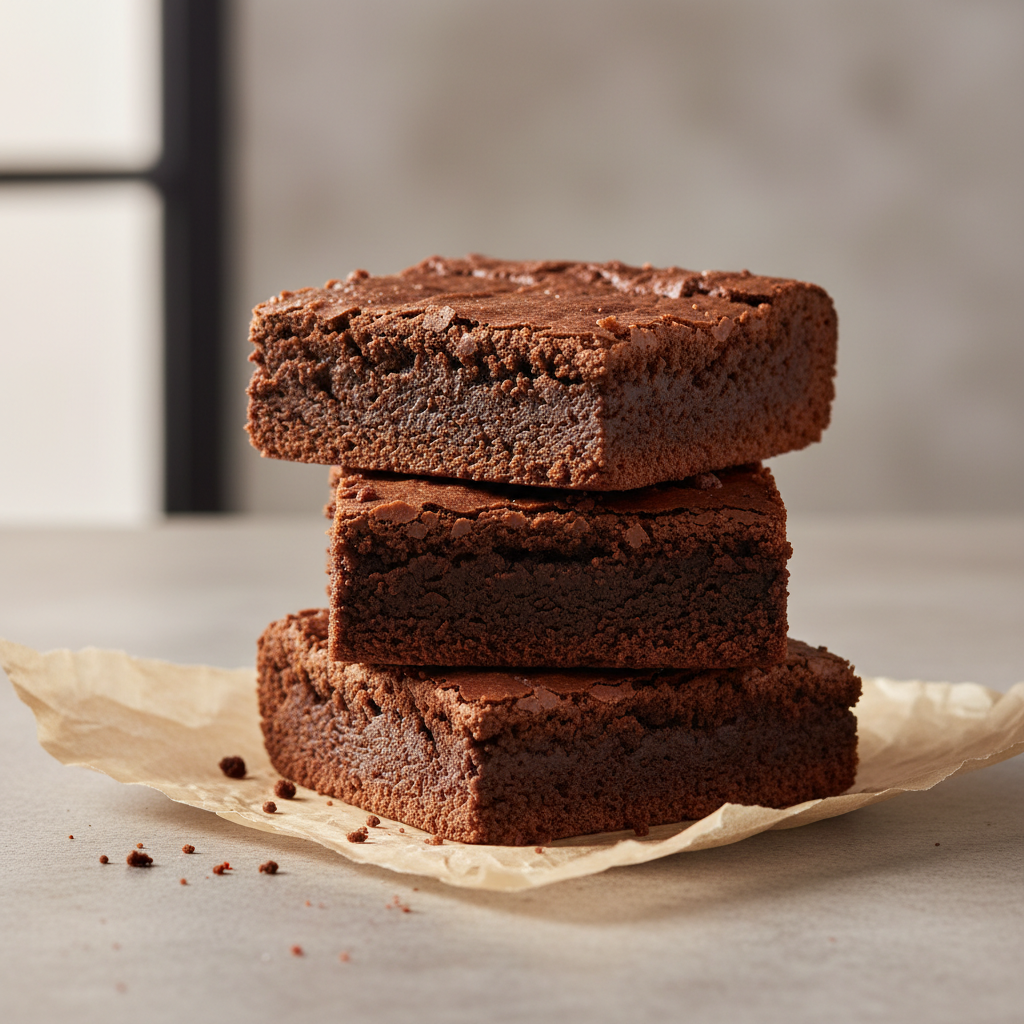
Fudgy brownies are about moisture and density, think higher fat, lower flour, and minimal aeration. Chewy brownies are about structure and sugar behavior, you want enough dissolved sugar and a bit of gluten development, but not so much that it turns bready.
Common reasons brownies miss the mark:
- Too much flour or flour packed into the cup, texture shifts cakey fast.
- Too much leavening (even “a pinch” of baking powder), lifts and dries the crumb.
- Overbaking, the most frequent culprit, brownies continue to set as they cool.
- Not dissolving sugar enough, you lose the shiny crust and some chew.
- Low-fat substitutions, swapping butter for applesauce or reducing sugar often removes the fudgy feel.
According to USDA FoodData Central, cocoa powder and chocolate vary widely in fat and moisture, so two “chocolate” brownies can bake very differently depending on what you used. That’s why a method beats a vague recipe when you want a repeatable fudgy chew.
The Ingredient Levers That Create a Fudgy, Chewy Bite
If you only remember one thing, remember ratios. Fudgy chewy brownies usually have more fat and sugar relative to flour than cake-style brownies, and they avoid chemical leaveners.
Butter vs oil (or both)
Butter brings flavor and helps a crinkly top when sugar dissolves into the hot fat. Oil can boost chew and keep brownies soft longer. Many home bakers land on a split, mostly butter for taste, a little oil for texture, but you can still get great results with all butter if you nail bake time.
Sugar choice
Granulated sugar helps build that thin, shiny crust. Brown sugar adds moisture and chew because of molasses, but too much can make brownies feel sticky rather than clean-chewy. A common sweet spot is mostly white sugar with a smaller portion of brown.
Eggs: structure without “cake”
Eggs set the brownie. Extra yolk increases richness and fudginess, extra white can make the crumb firmer and a bit more cake-like. For a chewy center, you typically want enough egg to hold shape, but you don’t want to whip in lots of air.
Cocoa powder vs melted chocolate
Cocoa-only brownies can be intensely chocolatey and very fudgy if you use enough fat. Melted chocolate adds cocoa butter, which can push texture even denser and smoother, but it also makes timing more sensitive since the batter sets differently.
Quick Self-Check: Diagnose Your Brownie Problem in 60 Seconds
Before you change everything, figure out what you’re actually seeing. Use this list like a mini troubleshooting flowchart.
- Your brownies are cakey and tall: likely too much flour, overmixing, or any leavener present.
- Your brownies are dry and crumbly: overbaked, too little fat, or baked in a dark metal pan at the same time/temperature.
- No shiny crackly top: sugar not dissolved enough, batter too cool when mixed, or you reduced sugar heavily.
- Gummy, wet streaks: underbaked or cut too hot, but also can happen with too much liquid sweetener.
- Edges hard, center underdone: pan size off, oven hot spots, or glass pan without adjusting temp/time.
If you’re chasing that “fudgy chewy” combo and you’re already close, the fix is often boring: weigh flour, mix less, bake less.
A Reliable Method: How to Make Brownies Fudgy Chewy (Step by Step)
This method works with most classic brownie ingredient lists and focuses on technique. If you’re adapting a favorite recipe, keep ingredient amounts similar, but follow these steps.
1) Prep the pan like you mean it
- Use an 8x8-inch metal pan for thicker brownies, 9x13 for a thinner sheet, but don’t swap without adjusting bake time.
- Line with parchment with overhang so you can lift the slab out.
- Lightly grease the parchment corners, batter sticks there more than you expect.
2) Warm the butter and dissolve the sugar
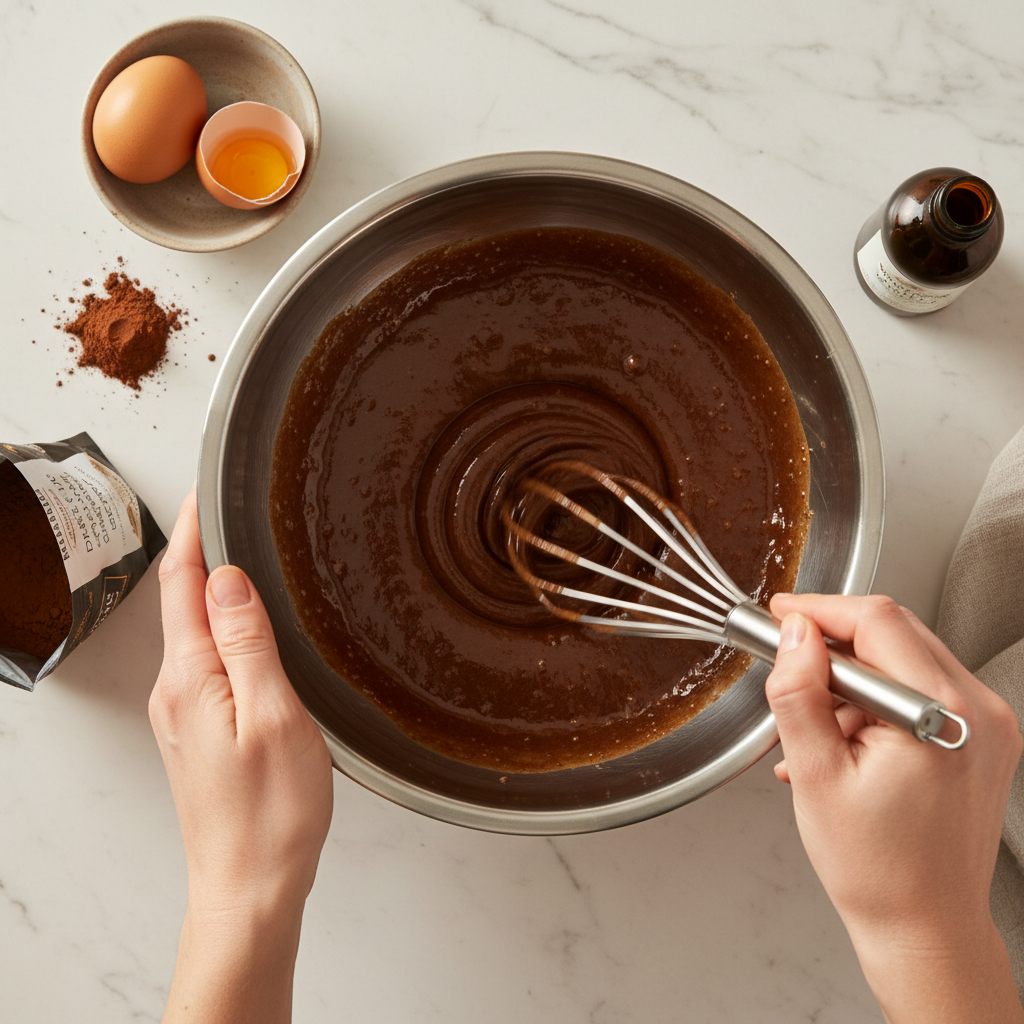
Melt butter until hot, not browned unless the recipe calls for it. Stir in sugar while the butter is still warm, then mix for 30 to 60 seconds. You’re not trying to whip, you’re trying to partially dissolve sugar so it forms that thin crust later.
3) Add eggs without foaming
Add eggs one at a time and mix until the batter looks glossy and cohesive. If you beat aggressively until pale and airy, brownies can climb toward cake texture. Controlled mixing helps keep the center dense.
4) Add chocolate and dry ingredients, then stop early
- If using melted chocolate, mix it in now while batter is warm.
- Sift or whisk cocoa, flour, salt together, then fold just until no dry pockets remain.
- Stop mixing the moment the flour disappears. Overmixing builds too much gluten, you lose that tender fudginess.
5) Bake with cues, not just minutes
Set your oven, but watch your brownie, not the clock. Pull the pan when the edges look set and slightly pulled from the sides, the top looks dry and shiny, and a toothpick comes out with moist crumbs (not wet batter, not clean).
According to FDA guidance on kitchen thermometers and safe food handling, using a thermometer can improve consistency in cooking. For brownies specifically, many bakers find the center often lands in the low- to mid-190s°F when done, but recipes and pans vary, so treat temperature as a clue, not a rule.
Pan, Oven, and Timing: Small Details That Change Texture
People blame recipes, but a lot of brownie drama comes from equipment and heat.
Choose the right pan material
- Light metal: most predictable, good for chewy edges and fudgy centers.
- Dark metal: browns faster, can dry edges; reduce temp slightly if edges keep overcooking.
- Glass: heats slower but holds heat longer; often needs a slightly lower temp and longer bake.
Use an oven thermometer if results swing
If your brownies are perfect one week and dry the next, your oven may run hot. A cheap oven thermometer can explain a lot.
Resting is part of baking
This is where many people get impatient. Brownies continue setting as they cool. For clean cuts and true fudgy chew, cool at least 60 minutes, longer if the pan is thick or your kitchen is warm.
Cheat Sheet Table: Adjustments for Fudgy vs Chewy vs Cakey
Use this as a practical guide when you’re tweaking an existing recipe, especially if you’re trying to figure out how to make brownies fudgy chewy without starting from scratch.
| Goal | What to increase | What to decrease | Technique focus |
|---|---|---|---|
| More fudgy | Butter/oil, egg yolk, melted chocolate | Flour, bake time | Fold gently, pull when toothpick has moist crumbs |
| More chewy | White sugar, a little brown sugar, brief vigorous stir after eggs | Leavening, extra whites | Dissolve sugar in warm butter, don’t overbake |
| Less cakey | Fat and sugar (within reason) | Flour, mixing, baking powder | Stop mixing early, verify pan size matches recipe |
Common Mistakes (Even Good Bakers Make)
These are the moves that look harmless, but often sabotage texture.
- Measuring flour by scooping: it packs the cup, adding more flour than intended. If you can, weigh it.
- Chasing “healthier” swaps: reducing sugar or fat often removes the chew and fudginess you’re aiming for.
- Overbaking for “safety”: brownies are not like chicken, they’re safe well before they’re “dry.” If you worry about raw egg, consider recipes that bake thoroughly but still pull at moist-crumb stage, and if you have dietary concerns, it may be worth consulting a qualified professional.
- Adding too many mix-ins: nuts and chips are great, but too much can block even baking and make the center heavy-wet.
- Cutting while hot: you’ll think they’re underbaked, then they firm up later, but your cuts already smeared.
Practical Tips for Consistent Results (Even on Busy Weeknights)
If you want repeatable fudgy chew without overthinking, keep these habits.
- Stick to one pan for a while, learn how it behaves in your oven.
- Write down bake cues you saw: edge set, center wobble, toothpick crumbs, not just time.
- Salt matters, it sharpens chocolate flavor and keeps sweetness from tasting flat.
- Cool completely, then chill 30 minutes if you want ultra-clean squares.
Key takeaways: dissolve sugar in warm fat for a better crust, keep flour modest and mixing gentle, and pull brownies earlier than your instincts tell you. That’s the real path to how to make brownies fudgy chewy in a way you can repeat.
Conclusion: Your Next Batch Should Be Better, Not Just Different
Most brownie frustration comes from tiny, fixable details, flour creep, mixing habits, and the extra minutes you let the pan sit in the oven “just in case.” Pick one technique change for your next batch, usually earlier pull time plus better flour measurement, and you’ll feel the texture shift immediately.
If you want a simple plan, choose a light metal pan, dissolve sugar into hot butter, fold in flour gently, then start checking a few minutes early and aim for moist crumbs. Bake, cool, cut, and if you’re still not hitting that center, adjust only one lever next time so you know what worked.