
best falafel recipe baked healthy is usually what people search after they’ve tried oven falafel that turned out dry, bland, or stuck to the pan. The good news is baked falafel can taste legit, but it needs a couple of small, non-obvious moves: the right chickpea base, a binder strategy that doesn’t turn it into hummus, and heat management so you get browning without drying.
If you want a weeknight-friendly version that still feels like something you’d order in a great Mediterranean spot, this is the approach: big herb flavor, warm spices, a mix that holds together, and a bake method that encourages crisp edges.
One quick note before we cook: many classic falafel recipes use dried chickpeas soaked overnight, not canned. That single choice changes texture more than any spice tweak. If you must use canned, you can still make a good batch, but you’ll want to adjust moisture and expectations.
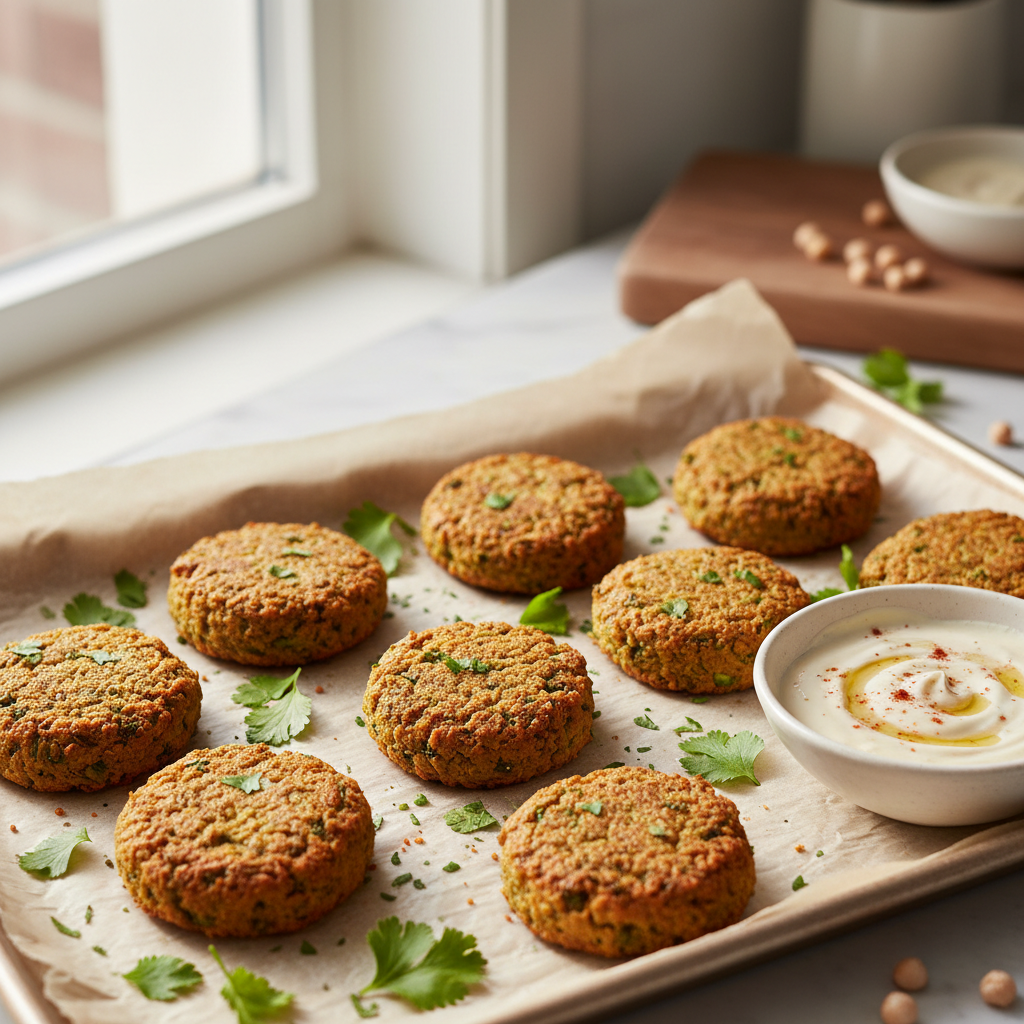
What makes baked falafel turn out dry (and how to avoid it)
Baked falafel fails for pretty predictable reasons, and once you know them, you stop “fixing” the wrong thing.
- Using canned chickpeas without moisture control: they’re already cooked, softer, and wetter, so the mix can go mushy, then you overbake to compensate, then it dries.
- Over-processing: if you blend until smooth, you get a paste that bakes dense instead of light.
- Not resting the mixture: a short rest lets the starches hydrate and helps binding without adding a lot of flour.
- Not enough surface fat: baking needs a thin oil film to brown, otherwise you get “tan” falafel, not crisp.
- Too low a temperature: they sit and dry before they brown.
According to USDA Food Safety and Inspection Service (FSIS)... cooked foods should be handled safely and cooled promptly if you’re meal-prepping, so if you bake a big batch, plan for fast cooling and proper storage.
Quick self-check: are you aiming for the right falafel style?
Before you start, decide what “best” means for you. A lot of disappointment comes from expecting one style while cooking another.
- Street-style, fluffy center: best with soaked dried chickpeas, coarse grind, hot oven, and small patties.
- Weeknight easy: canned chickpeas can work, but keep patties thicker and expect a slightly denser bite.
- Gluten-free: skip wheat flour, use chickpea flour or ground oats as a light binder.
- Oil-conscious: you can reduce oil, but crispness usually drops; use convection/air-fry setting if available.
If you’re after that classic interior crumble, prioritize dried chickpeas. If you’re after “good enough, fast,” go canned and don’t punish yourself for it.
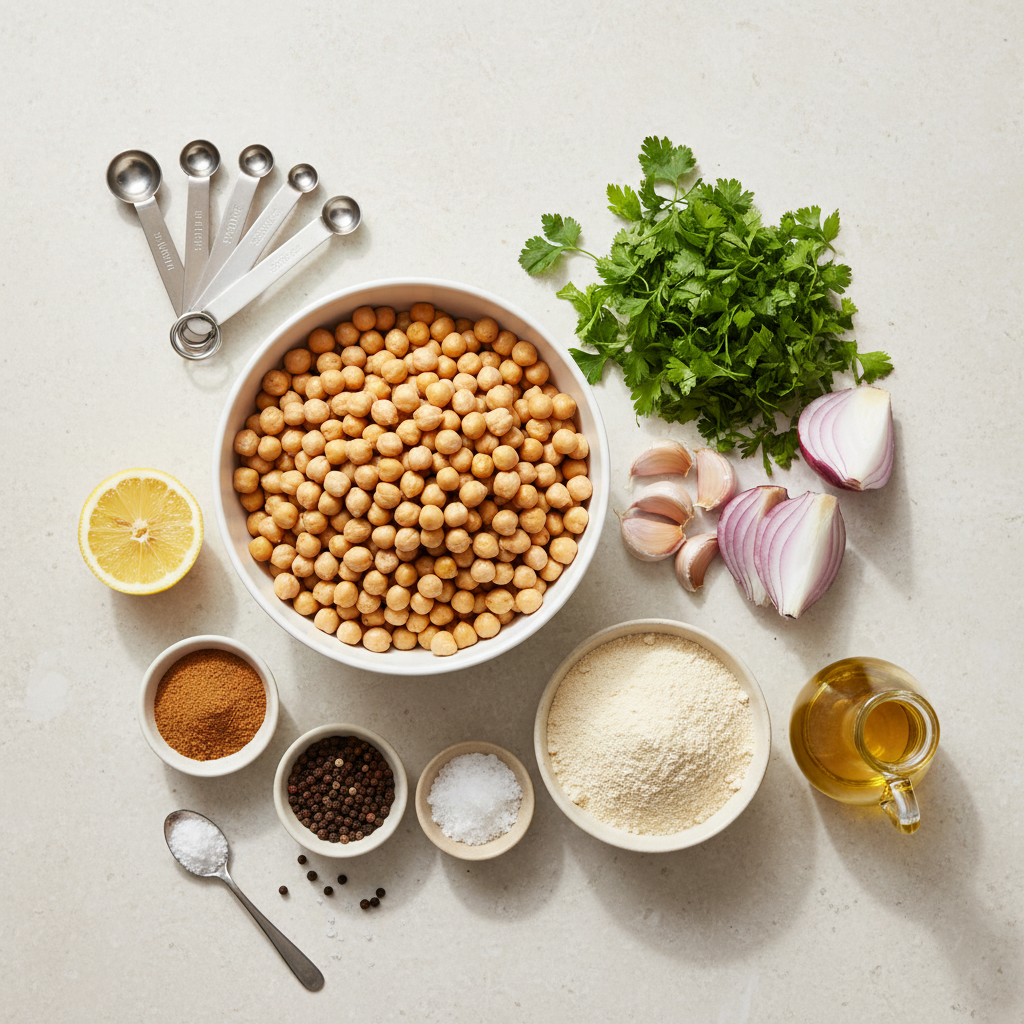
The best healthy baked falafel recipe (step-by-step)
This version is designed for baked success: coarse texture, high flavor, and a method that browns well without deep-frying.
Ingredients (makes about 18–20 small patties)
- 1 cup dried chickpeas, soaked 12–18 hours, then drained well
- 1 small yellow onion, roughly chopped
- 4–5 garlic cloves
- 1 packed cup parsley leaves and tender stems
- 1/2 packed cup cilantro (optional but nice)
- 1 1/2 tsp ground cumin
- 1 tsp ground coriander
- 1/4 tsp black pepper, plus more to taste
- 1 1/4 tsp kosher salt (adjust for your salt brand)
- 1/2 tsp baking powder
- 2–3 tbsp chickpea flour (or oat flour), as needed for binding
- 2 tbsp lemon juice
- 2–3 tbsp olive oil for brushing, plus a little for the pan
Canned chickpea swap: if you use canned, start with two 15-oz cans, drain and rinse, then dry aggressively with towels. Expect to need more chickpea flour and a longer chill.
Method
- Soak and dry: drain soaked chickpeas, then spread on a towel for 10–15 minutes. The drier they feel, the better the bake.
- Pulse, don’t puree: in a food processor, pulse onion, garlic, herbs, and spices, then add chickpeas. Pulse until you see a coarse, pebbly texture that still has small pieces.
- Season and bind: add salt, lemon juice, baking powder, and 2 tbsp chickpea flour. Pulse 2–3 times. Pinch a bit and squeeze; it should hold together with some crumb.
- Rest: chill mixture 30–45 minutes. This helps it set up without turning gummy.
- Shape small: form 1.5-inch patties, press firmly, and place on an oiled parchment-lined sheet.
- Bake hot: bake at 425°F for 12 minutes, flip gently, brush the tops with a little olive oil, then bake 10–12 minutes more until deep golden.
Key point: baking powder + hot oven creates lift, but it only works if you keep the texture coarse and don’t overload the mix with wet ingredients.
Timing, texture, and a simple troubleshooting table
Falafel is one of those foods where tiny texture differences change everything. Use this table when your batch feels “off.”
| Problem | Likely cause | Fix for next batch |
|---|---|---|
| Dry, crumbly after baking | Overbaked or mixture too lean | Smaller patties, slightly more oil brushed on top, pull earlier and rest 5 minutes |
| Falls apart when flipping | Not enough binding or no chill time | Add 1 more tbsp chickpea flour, chill longer, press patties more firmly |
| Mushy inside | Over-processed or too wet chickpeas | Pulse less, dry chickpeas more, avoid adding water or extra lemon |
| Pale and soft outside | Oven too cool or not enough surface oil | Preheat fully, use convection if available, oil parchment lightly, brush tops |
| Bitter or “green” flavor | Too many herb stems or old spices | Use mostly leaves/tender stems, refresh cumin/coriander, balance with lemon and salt |
Healthy upgrades that actually taste good
“Healthy” can mean a bunch of things in the US: higher fiber, less oil, more veggies, lower sodium. Some swaps work, some just make sad falafel.
- Add greens smartly: a handful of spinach can work, but squeeze it dry first or you’ll fight moisture all day.
- Boost protein: serve with Greek yogurt tahini sauce, or pair with a lentil salad. Trying to add protein powder to falafel usually backfires.
- Lower sodium without losing flavor: lean on lemon, garlic, and toasted spices; salt can come down a bit, but don’t remove it entirely or the flavor collapses.
- Oil control: brushing 1–2 tsp per tray often gets you most of the browning benefit, especially with convection.
According to the U.S. Food and Drug Administration (FDA)... allergen labeling matters for foods like sesame (tahini) and chickpeas (legume), so if you’re cooking for guests, it’s worth asking about allergies even when the meal feels “plant-based safe.”
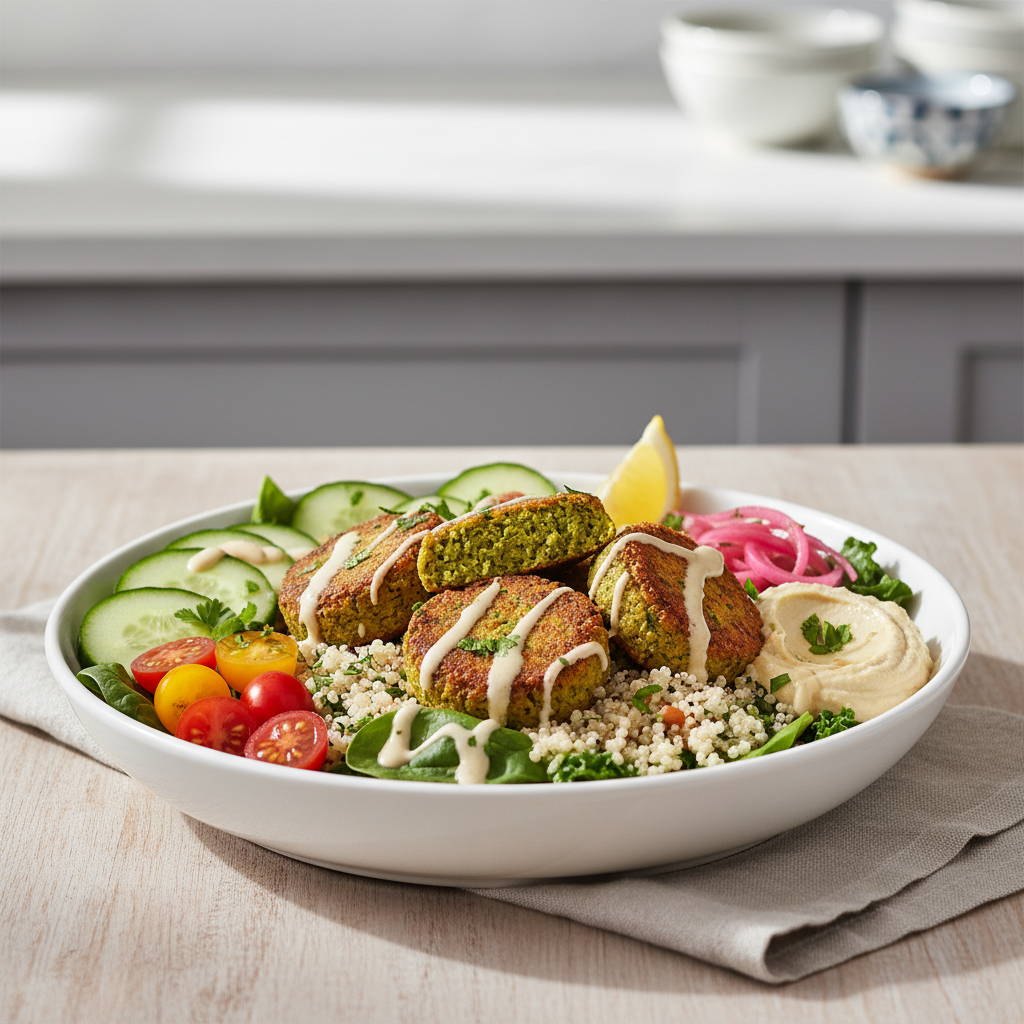
Meal prep, storage, and reheating (so it stays crisp)
People blame the recipe when the real issue is day-two texture. Baked falafel can reheat well, but microwaving tends to soften the outside.
- Fridge: store cooked patties in an airtight container up to 4 days, reheat at 400°F for 6–8 minutes.
- Freezer: freeze baked patties on a sheet first, then bag them. Reheat from frozen at 400°F for 12–15 minutes, flipping once.
- Best reheat tool: toaster oven or air fryer setting usually brings back the crisp edge fastest.
- Make-ahead mix: raw mixture can sit in the fridge about 24 hours, but it may darken a bit from the herbs.
For food safety, if you’re packing lunches, cooling quickly and keeping cold until mealtime is a safer default; if you have specific health concerns, it’s reasonable to check with a qualified professional.
Common mistakes (the ones that waste your time)
- Adding water to “help it blend”: almost always a mistake. If the processor struggles, pulse in smaller batches instead.
- Making giant patties: big ones bake unevenly, the outside dries while the center stays soft.
- Skipping the oil entirely: you can reduce it, but eliminating it usually removes browning and makes texture feel stale.
- Assuming more flour fixes everything: too much binder turns falafel bready. Add small amounts and stop when it holds.
If you want that “fried-like” vibe without deep-frying, a convection oven, dark sheet pan, and light brushing of olive oil usually gets you closest.
Key takeaways + what to do next
If you’ve been chasing a best falafel recipe baked healthy that doesn’t taste like compromise, focus on texture control: soaked dried chickpeas, a coarse pulse, a short chill, and a hot bake with a little surface oil. That combination does more than adding five extra spices.
Make one batch exactly as written, then tweak one variable at a time, maybe patty size or bake time, because most “fixes” go sideways when you change three things at once. If you’re meal-prepping, bake a double batch and freeze half while the texture is at its best.
FAQ
- Can I make baked falafel with canned chickpeas and still get a good texture?
Yes, but it often turns denser. Dry them very well, chill the mixture longer, and expect to use a bit more chickpea flour for binding. - Why did my baked falafel fall apart in the oven?
Usually the mix is too wet or not rested. A 30–45 minute chill helps, and shaping smaller patties makes them easier to flip. - How do I keep baked falafel from drying out?
Use a hot oven, don’t overbake, and brush a thin layer of oil to encourage browning. Pull them when golden and let them rest a few minutes. - Is baked falafel actually healthier than fried?
Many cases, yes, because it typically uses less oil, but “healthier” depends on your goals and portion size. If you manage specific conditions, consider asking a clinician or dietitian. - Do I need baking powder in falafel?
It’s not mandatory, but it often helps lighten the interior for baked versions. If you skip it, keep patties smaller and don’t over-process the mix. - What’s the best way to reheat falafel so it stays crisp?
A toaster oven or air fryer setting at around 400°F works better than a microwave for restoring crisp edges. - Can I make this recipe gluten-free?
Yes. Use chickpea flour or ground oats instead of wheat flour, and keep the mixture coarse so it doesn’t turn gummy.
If you’re trying to dial in a weekly routine, this best falafel recipe baked healthy setup works nicely as a base: bake once, then rotate wraps, bowls, and salads with different sauces, so it doesn’t feel like you’re eating the same lunch on repeat.