
Cabbage rolls easy is usually what people mean when they say, “I love cabbage rolls, I just don’t want a weekend project.” This version keeps the classic comfort-food vibe—beef, rice, tomato sauce—while trimming the steps that make cabbage rolls feel intimidating.
Most cabbage roll frustration comes from two places: cabbage leaves that tear or won’t bend, and filling that either dries out or falls apart. The goal here is simple, tender rolls with a sauce that tastes like it simmered all day, even if you’re working with a normal weeknight schedule.
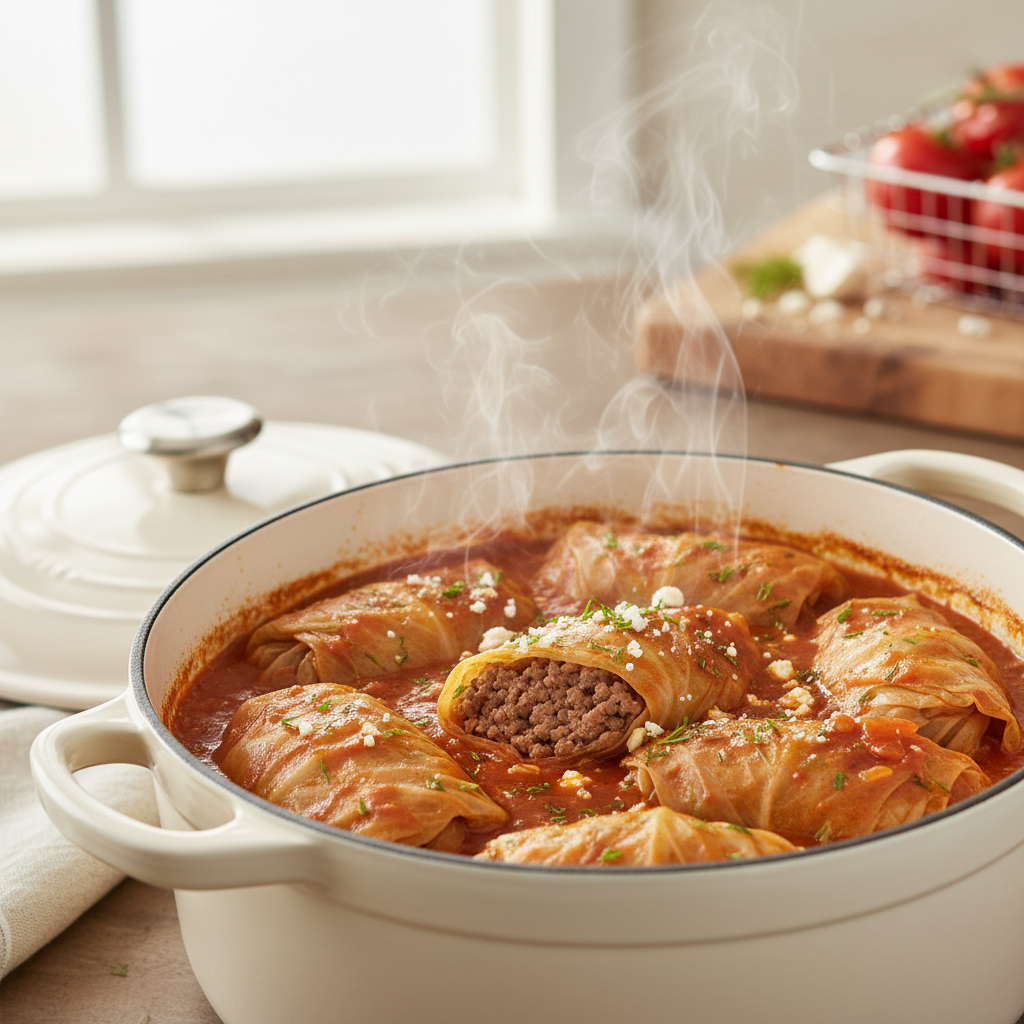
One more thing before we cook: “easy” doesn’t mean cutting corners that ruin the result. It means picking the right cabbage, softening leaves the smart way, and using a filling ratio that stays juicy. You’ll also get freezer tips, a quick troubleshooting guide, and a simple table to help you choose your cooking method.
Why cabbage rolls feel hard (and how this recipe avoids it)
If you’ve tried them once and swore them off, you’re not alone. A few predictable issues show up in most kitchens.
- Tough leaves that crack: usually from under-softening or using outer leaves that are too thick.
- Watery pan sauce: often from cabbage releasing moisture without enough simmer time or a sauce that’s too thin.
- Dry filling: common when using extra-lean beef or skipping moisture helpers like onion, egg, and sauce in the mix.
- Rolls that unroll: usually a rolling technique issue, but also happens when leaves aren’t pliable.
This cabbage rolls easy approach leans on three fixes: soften leaves until they’re flexible, mix a filling that holds together without getting dense, and simmer covered so everything stays tender.
Quick checklist: are you set up for success?
Before you start, do a fast reality check. It saves you from mid-recipe panic when the cabbage won’t cooperate.
- You have green cabbage (most forgiving) or savoy (even softer). Red cabbage works, but the flavor and color shift.
- You can spare 10 minutes to soften leaves properly (boil or microwave).
- Your rice is cooked and cooled (warm rice can make the filling gummy).
- You have a covered pot or baking dish so the rolls braise instead of drying out.
- You’re okay with a “rustic” roll—pretty is optional, tender is the point.
If two or more items feel shaky, don’t push through blindly. Adjust first, especially the cabbage-softening step, that’s where most rolls go wrong.
Ingredients + smart swaps (beef, rice, sauce)
These are classic beef-and-rice cabbage rolls, but you can still make them fit your pantry.
Core ingredients
- 1 large head green cabbage (about 12–14 usable leaves)
- 1 to 1¼ lb ground beef (80/20 or 85/15 tends to stay juicier)
- 1½ cups cooked rice (white or brown)
- 1 small onion, finely chopped
- 1 egg (binder, helps prevent crumbling)
- 2–3 cloves garlic, minced (optional but helpful)
- Salt, black pepper, and a pinch of paprika
- Tomato sauce base: crushed tomatoes or tomato sauce + a little broth
Useful swaps that usually work
- Turkey instead of beef: choose dark meat or add a spoon of olive oil for moisture.
- Cauliflower rice: workable, but expect a softer filling and more liquid in the pan.
- No egg: many cooks skip it, but rolls may be looser; mix gently and pack tighter.
- Sauce shortcut: jarred marinara + a splash of broth can be perfectly fine on busy nights.
According to USDA Food Safety and Inspection Service (FSIS), ground beef should reach a safe internal temperature of 160°F. If you’re unsure, a basic instant-read thermometer removes the guesswork.
Step-by-step: cabbage rolls easy method (no drama)
This is the workflow that keeps things moving. Read it once, then cook.
1) Soften and separate the cabbage leaves
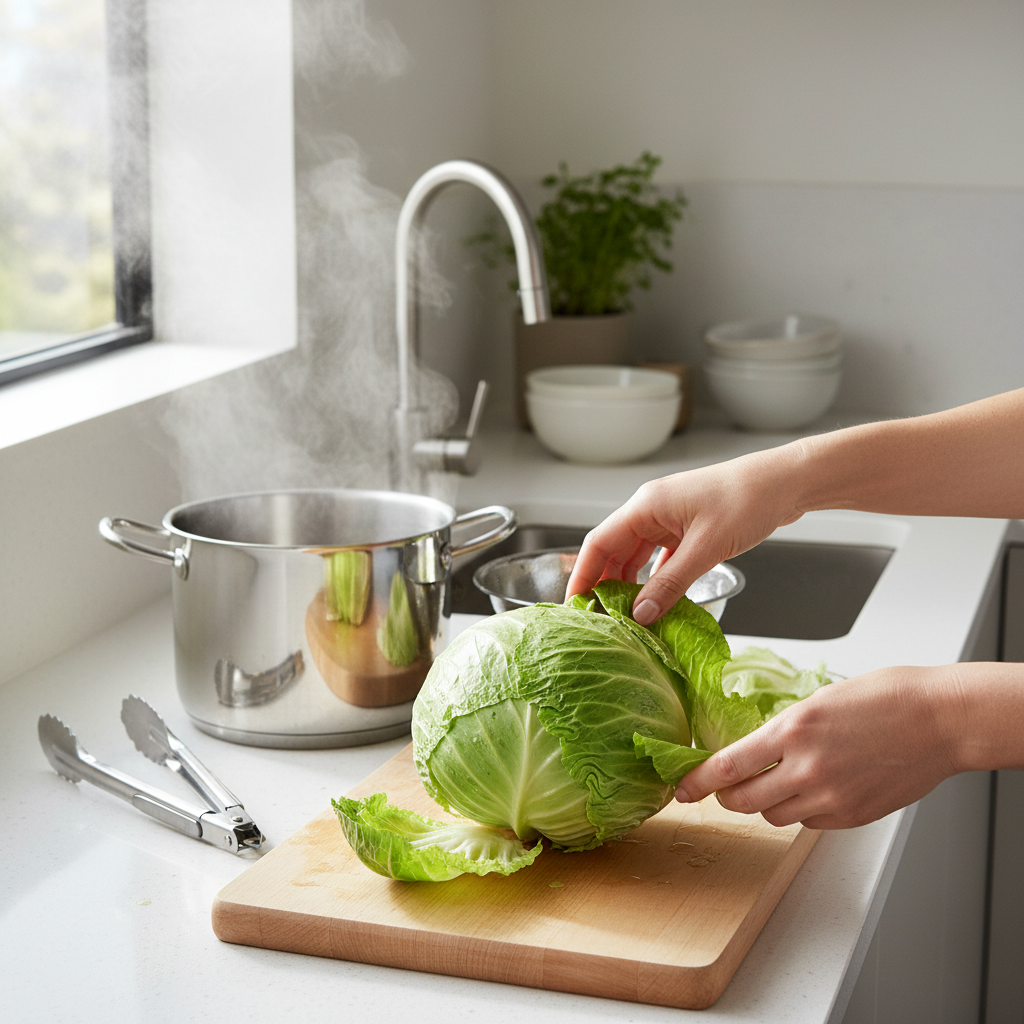
- Boil method: core the cabbage, simmer in a large pot 6–10 minutes, then peel leaves as they loosen.
- Microwave method: core the cabbage, microwave 4–6 minutes, rest 2 minutes, then peel. Repeat if needed.
Trim the thick rib on each leaf: don’t remove it entirely, just shave it down so the leaf rolls without snapping.
2) Mix the filling
- In a bowl, combine beef, cooked rice, onion, egg, garlic, salt, pepper, and paprika.
- Add 2–3 tablespoons of your tomato sauce to the bowl, it helps moisture and flavor.
- Mix with a light hand until just combined, overmixing can turn the filling tight.
3) Roll (fast technique that holds)
- Place leaf flat, add filling near the base.
- Fold sides in, then roll up snug, like a small burrito.
- Set seam-side down so it stays closed without toothpicks.
4) Build the pot and simmer
- Spread a thin layer of sauce on the bottom (prevents sticking and scorching).
- Arrange rolls tightly in one layer, or two layers if needed.
- Pour remaining sauce over top, add a splash of broth or water if it looks overly thick.
- Cover and simmer low on the stovetop 45–60 minutes, or bake at 350°F for about 60–75 minutes.
If you want that “day-after” flavor right away, let the rolls rest 10 minutes before serving. The sauce settles, and the rolls hold together better.
Cooking options compared (stovetop vs oven vs slow cooker)
All three can work, but they behave differently. This table helps you pick what fits your schedule.
| Method | Time (typical) | Best for | Watch-out |
|---|---|---|---|
| Stovetop simmer | 45–60 min | Fastest classic texture | Keep heat low to avoid scorching |
| Oven bake (covered) | 60–75 min | Hands-off, even cooking | Seal tightly so rolls don’t dry out |
| Slow cooker | 6–8 hr low | Set-it-and-forget-it days | Sauce can get thin; reduce at the end if needed |
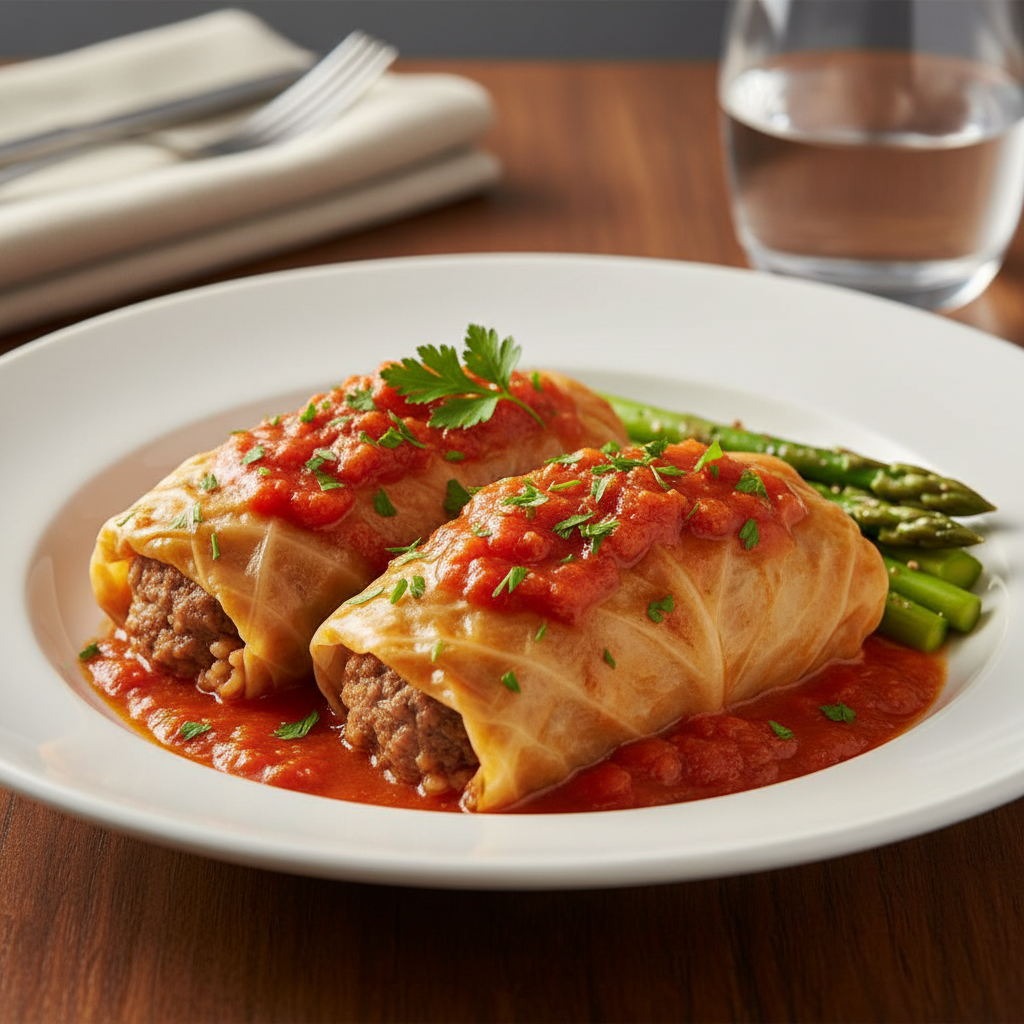
If your priority is “cabbage rolls easy” on a weeknight, stovetop simmer usually wins. If you’re feeding a crowd and want less babysitting, the oven tends to feel calmer.
Troubleshooting + common mistakes (so you don’t waste a batch)
A few small adjustments fix most problems quickly.
- Leaves keep tearing: soften longer, and don’t force the outermost thick leaves. Use smaller inner leaves for “mini rolls.”
- Filling feels wet: your rice may be overcooked or hot. Cool it fully, then mix again with a little more meat or a spoon of breadcrumbs.
- Rolls taste bland: salt the filling properly, and season the sauce too. People often season one and forget the other.
- Sauce is thin: uncover for the last 10–15 minutes (oven) or simmer uncovered briefly (stovetop) so it reduces.
- Rolls fall apart when serving: rest before plating, and use a wide spoon. Also, don’t undercook—the cabbage needs time to “set.”
One underrated trick: pack the pot snug. Loose rolls slosh around, tight rolls braise quietly and stay intact.
Make-ahead, freezer tips, and practical serving ideas
These cabbage rolls reheat well, which is part of why people love them.
Make-ahead options
- Assemble the night before: roll, cover, refrigerate, then cook next day. Add 10 minutes to cooking time.
- Freeze unbaked: freeze rolls and sauce together in a freezer-safe pan, thaw in fridge overnight, then bake covered.
- Freeze cooked: cool, portion, and freeze with sauce. Reheat gently so the cabbage stays tender.
Serving ideas that feel “complete”
- Mashed potatoes or buttered egg noodles for classic comfort.
- A sharp side salad (vinaigrette helps cut the richness).
- Rye bread or crusty bread for sauce, honestly the sauce is half the point.
If you’re watching sodium or have a medical diet, consider low-sodium tomatoes and broth, and ask a clinician or dietitian for personalized guidance since needs vary.
Key takeaways (what actually makes this recipe easy)
- Soft leaves matter more than fancy rolling skills.
- Cooked, cooled rice keeps the filling tender, not gummy.
- Season filling and sauce, otherwise the whole pan tastes flat.
- Cover while cooking so rolls braise and stay juicy.
When you treat cabbage rolls like a braise instead of a delicate “assembly project,” the whole dish gets calmer. That’s the real secret behind cabbage rolls easy: reduce the fragile moments, and you’ll make them more often.
FAQ
How do I make cabbage rolls easy if I hate boiling a whole cabbage?
The microwave method is usually the least annoying: core the cabbage, microwave a few minutes, rest, peel, repeat. It’s not fancy, but it’s efficient and keeps the kitchen cooler.
Should rice be cooked before mixing into cabbage roll filling?
In most home recipes, yes. Using cooked rice makes the timing predictable and helps prevent undercooked grains inside fully cooked cabbage.
What’s the best ground beef for tender cabbage rolls?
Many cooks prefer 80/20 or 85/15 because a little fat protects the filling from drying out. If you use very lean beef, adding sauce into the mix helps.
Why are my cabbage rolls watery?
Cabbage releases moisture as it cooks, and thin sauce can’t keep up. Simmer longer, reduce sauce at the end, or start with a thicker tomato base.
Can I bake cabbage rolls without them drying out?
Yes, but cover tightly and make sure there’s enough sauce to braise. If you see dry edges halfway through, add a small splash of broth and reseal.
How do I keep cabbage rolls from unrolling?
Roll snug, fold the sides in, and place seam-side down packed close together. If leaves are stiff, soften a bit longer—pliability is doing most of the work.
How long do cooked cabbage rolls last in the fridge?
Many people store them 3–4 days in an airtight container, but use your judgment and follow safe food-handling practices. Reheat until steaming hot.
Can I make this recipe in a slow cooker?
Usually yes: layer sauce and rolls, cook on low until the filling is fully cooked and the cabbage is tender. If sauce looks thin, crack the lid near the end to let it reduce.
Conclusion
If you’ve been chasing cabbage rolls easy because the traditional process feels like too much, this beef-and-rice version is a solid reset: soften the leaves well, keep the filling moist, and cook covered so everything braises into one cozy pan.
Pick one next step: either try the microwave-leaf method this week, or assemble a double batch and freeze half. Once you get one good batch under your belt, cabbage rolls stop feeling “special occasion” and start feeling like normal dinner.
If you’re trying to streamline weeknight cooking, batch-prep freezer-friendly dinners, or adapt cabbage rolls for dietary needs, a simple plan for your pantry and schedule can make the whole thing easier to repeat without thinking too hard.