
Energy balls recipe searches usually come from the same place: you want a snack that feels “real,” not another sugary bar, and you don’t want to turn on the oven or dirty half the kitchen.
These no-bake energy balls hit that sweet spot, quick to mix, easy to portion, and flexible enough to match what you already have in the pantry. They also travel well, which is half the battle if you’re trying to avoid vending-machine decisions.
I’ll walk you through a reliable base formula, the small details that prevent dry or crumbly bites, and a few variations that work for different goals like higher protein, nut-free, or lower added sugar.
What “healthy” means for energy balls (and what it doesn’t)
“Healthy” can get fuzzy with energy bites because the ingredients are often nutritious and calorie-dense. Nuts, nut butter, oats, and dried fruit bring fiber and micronutrients, but they still add up fast if portions creep.
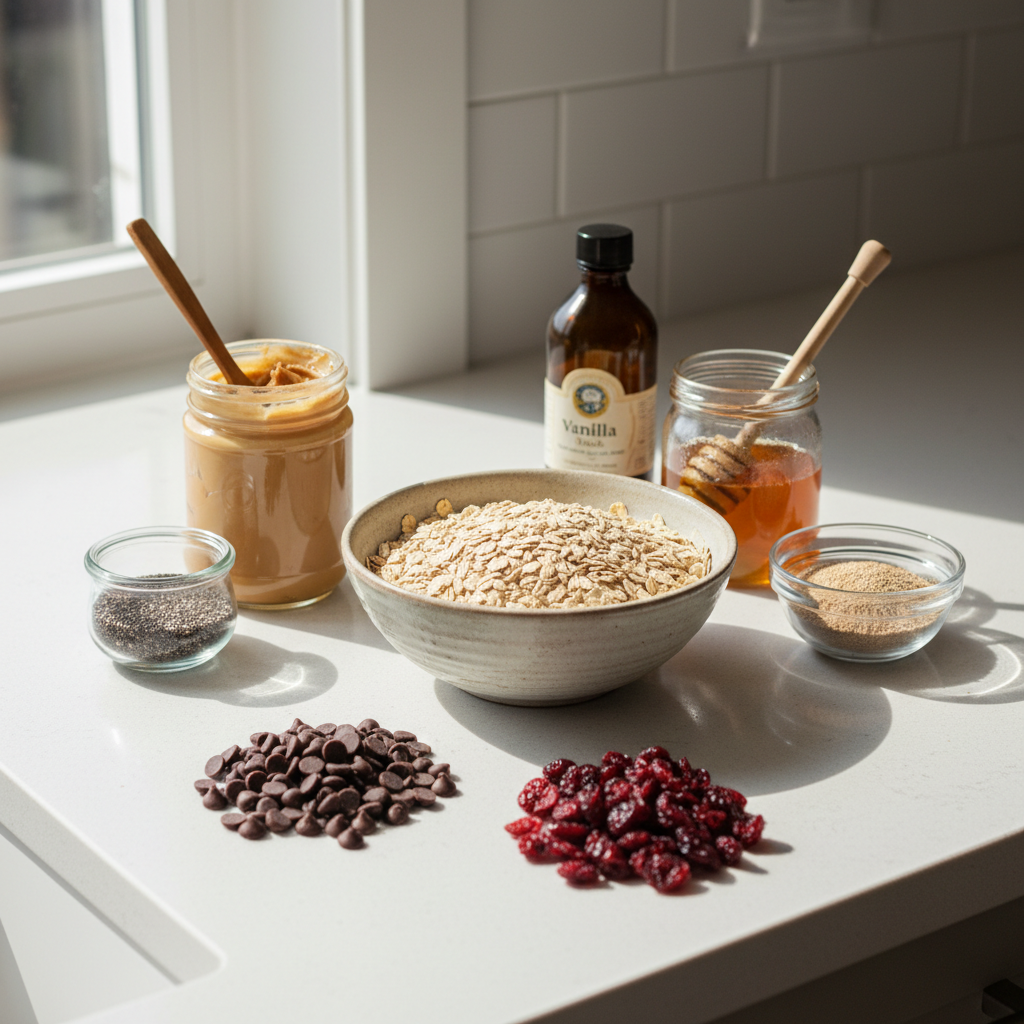
So a better way to think about it: energy balls can be a better snack choice when they’re built with whole-food ingredients, moderate added sugar, and a portion you actually stick to.
According to the USDA Dietary Guidelines for Americans, it helps to limit added sugars and focus on nutrient-dense foods; energy bites can fit that approach if you keep sweeteners and mix-ins in check.
- Helpful: oats, chia/flax, nut butter, unsweetened coconut, cocoa, cinnamon
- Easy to overdo: honey/maple syrup, candy-like mix-ins, large handfuls of chocolate chips
- Portion reality: smaller balls (about 1 tablespoon) often work better for everyday snacking
The base no-bake energy balls recipe (a dependable template)
This is the version I’d call “the default.” It tastes good, rolls cleanly, and holds its shape after chilling. If you’ve tried an energy balls recipe that came out dry or fell apart, the moisture balance here is the fix.
Ingredients (makes about 16–20 balls)
- 1 1/2 cups old-fashioned rolled oats
- 1/2 cup creamy peanut butter (or almond/sunflower butter)
- 1/3 cup honey (or maple syrup)
- 2 tbsp chia seeds (or ground flaxseed)
- 1 tsp vanilla extract
- 1/4 tsp kosher salt
- 1/3 cup mini dark chocolate chips (optional but popular)
Steps
- Mix the binder: Stir nut butter, honey, vanilla, and salt until smooth.
- Add dry ingredients: Fold in oats and chia/flax. Let it sit 5 minutes so seeds and oats hydrate.
- Adjust texture: If dry, add 1–2 tsp water or more nut butter. If sticky, add 1–2 tbsp oats.
- Fold in extras: Add chocolate chips last so they don’t melt in warm mixture.
- Roll: Scoop 1 tbsp each, roll into balls. Chill 20–30 minutes to set.
Key point: the 5-minute rest is not optional in many kitchens, oats and seeds need a moment to pull moisture, and the mixture tightens up noticeably.
Quick swaps and add-ins (so you can use what you have)
The best thing about an energy balls recipe is how forgiving it can be, as long as you keep a similar wet-to-dry ratio. Think in categories: binder, dry base, and mix-ins.
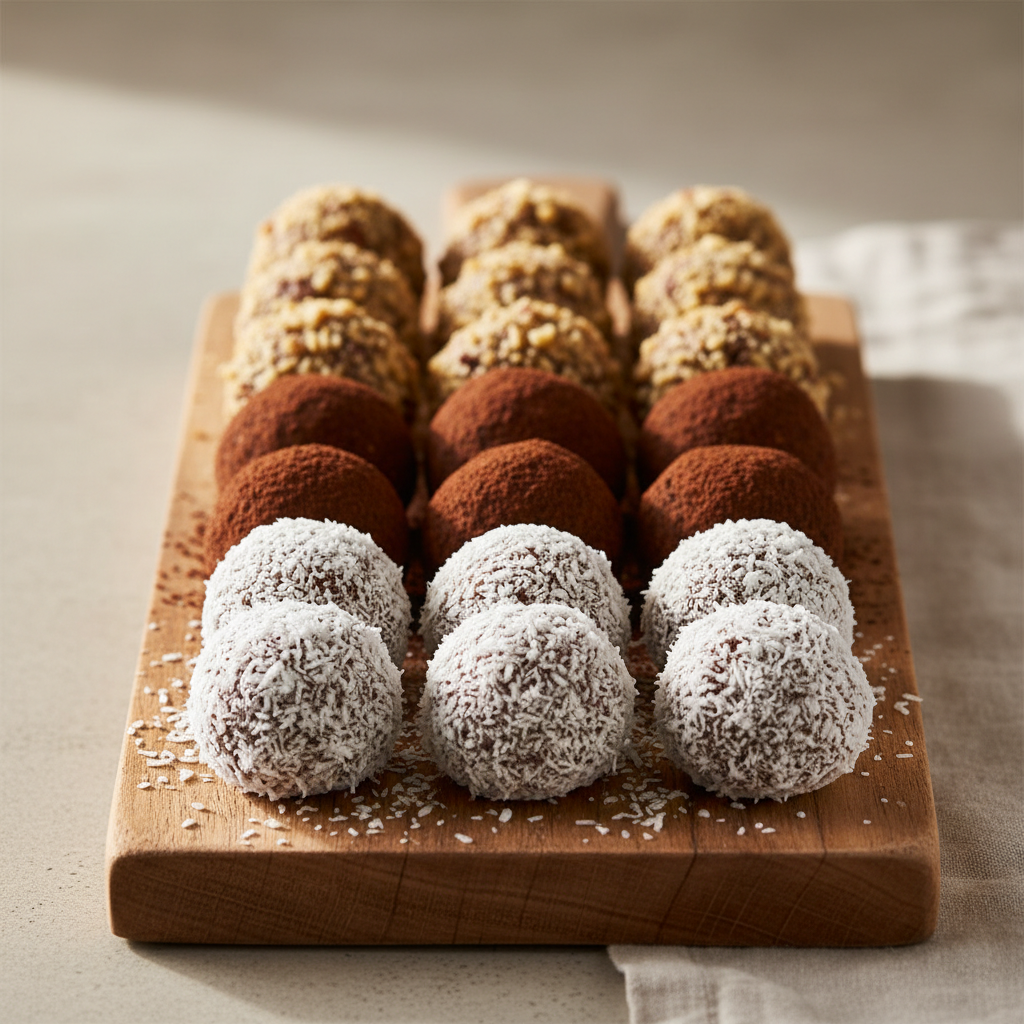
Binder options
- Peanut butter, almond butter, cashew butter
- Sunflower seed butter for nut-free households
- Tahini for a less-sweet, slightly savory edge
Sweetener options (use a light hand)
- Honey or maple syrup for the classic texture
- Mashed ripe banana can work, but the balls end up softer and need refrigeration
- Date paste blends in well, but can make the mix stickier
Dry base options
- Rolled oats (most common), quick oats (softer texture)
- Oat flour to help bind if your mix feels loose
- Protein powder can replace some oats, but go slow to avoid a chalky bite
Mix-ins that usually work
- Unsweetened shredded coconut
- Chopped walnuts/pecans
- Raisins, chopped dates, dried cherries (watch added sugar if sweetened)
- Cinnamon, cocoa powder, espresso powder
Troubleshooting: why your energy balls are dry, sticky, or bland
Most “fails” come down to a small measuring mismatch, or the ingredients behaving differently than expected. Nut butter thickness varies a lot by brand, and oats absorb moisture differently depending on cut and freshness.
- Too dry / crumbly: Add 1 tbsp nut butter, or 1–2 tsp water, then rest 5 minutes and re-check.
- Too sticky to roll: Add 1–2 tbsp oats or 1 tbsp ground flax, then chill 10 minutes.
- Falls apart after chilling: You likely need more binder, or you used large mix-ins that break the structure.
- Tastes flat: Add a pinch more salt and a little vanilla or cinnamon; it sounds basic, but it matters.
If you’re aiming for less sweetness, don’t just cut honey in half and hope. Replace some sweetness with flavor: cocoa, cinnamon, toasted coconut, or a little citrus zest can keep it enjoyable without leaning on sugar.
Make it fit your goal: protein, kid-friendly, nut-free, and lower sugar
People use an energy balls recipe for different reasons, and the “right” version depends on when you eat it and what you want from it. Here are practical tweaks that usually hold together well.
Higher-protein version (simple, not extreme)
- Replace 1/4 cup oats with 1/4 cup protein powder
- Add 1–2 tbsp extra nut butter if the mix dries out
- Consider collagen peptides if you want minimal flavor change, though it’s not for everyone
Nut-free school snack
- Use sunflower seed butter
- Skip chopped nuts, use toasted coconut or pumpkin seeds instead
- Check labels for cross-contact if allergies are a concern, and consider asking a clinician for personalized guidance
Lower added sugar approach
- Use 1/4 cup honey instead of 1/3 cup, then add 2–3 tbsp mashed banana or unsweetened applesauce as needed
- Choose unsweetened mix-ins, or reduce chocolate chips
- Lean on cinnamon/cocoa and a pinch of salt for “dessert” vibes without more syrup
Storage, meal prep, and food-safety notes
These are made for meal prep, but storage changes texture. Warmer rooms make them softer, and banana-based versions spoil faster.
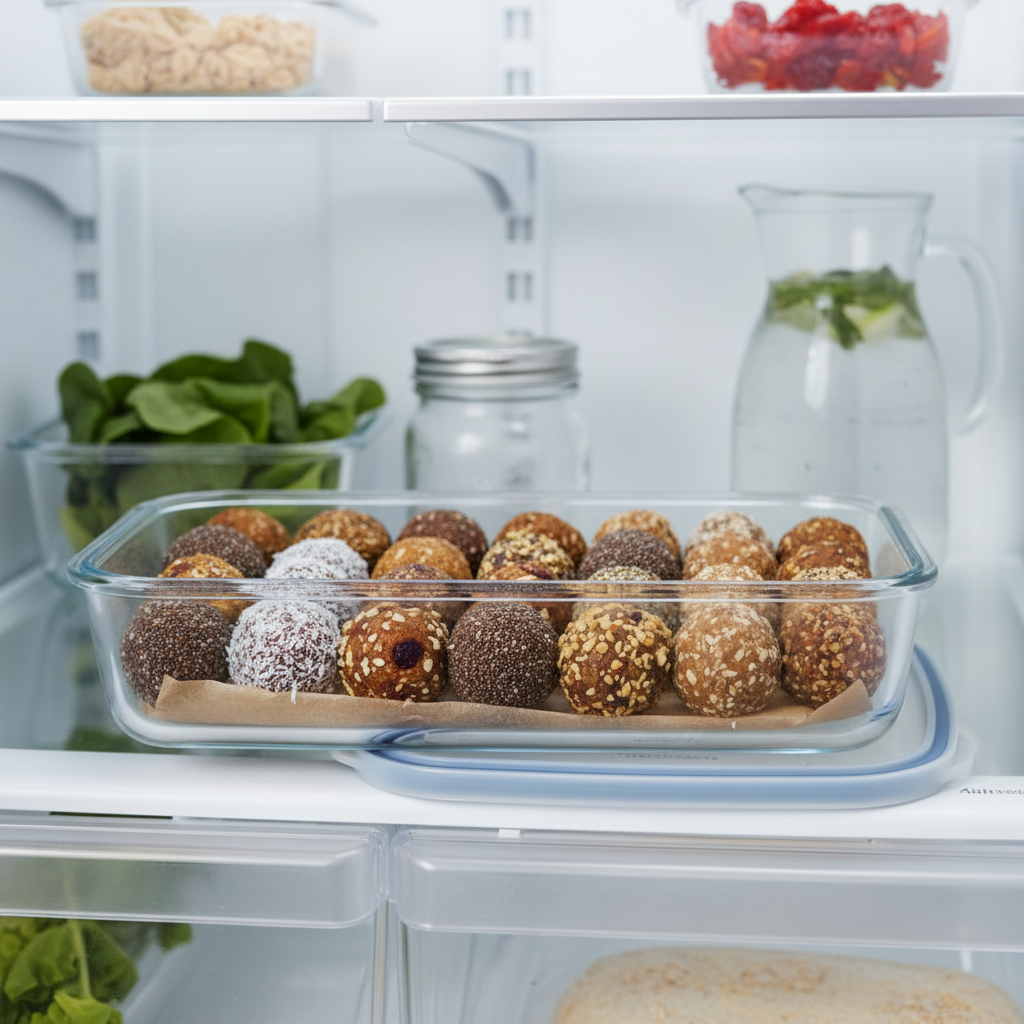
- Fridge: usually keeps well about 1 week in an airtight container.
- Freezer: often holds quality for 1–3 months; thaw 10–15 minutes before eating.
- To prevent sticking: separate layers with parchment paper.
- If you use fresh fruit purées: store cold and be conservative with how long you keep them; when in doubt, discard.
According to the FDA, keeping perishable foods out of the “danger zone” helps reduce foodborne illness risk; if your recipe uses ingredients that make the mixture wetter (like fresh purée), refrigeration becomes more important.
At-a-glance: common variations and when to use them
If you want a quick pick without overthinking, this table is the shortcut.
| Version | Best for | What to change | Watch out for |
|---|---|---|---|
| Classic oats + PB | Everyday snack | Use the base recipe | Portions can creep |
| Protein-boost | Post-workout or busy afternoons | Swap 1/4 cup oats for protein powder | Can turn dry, add binder |
| Nut-free | School lunches | Sunflower butter + seed mix-ins | Allergy label checks |
| Lower added sugar | Cutting back on sweet snacks | Reduce honey, add cocoa/cinnamon | May need texture adjustments |
| Soft “banana” style | More cake-like bite | Add banana/applesauce | Softer, needs fridge |
Key takeaways (so you don’t have to reread)
- Texture is a moisture math problem: rest the mix, then adjust wet or dry in small amounts.
- Keep “healthy” realistic: nutrient-dense ingredients still need sensible portions.
- Build around your routine: classic for daily snacks, protein-boost for workouts, nut-free for school.
- Storage matters: airtight containers, parchment layers, and refrigeration for wetter versions.
Conclusion: a snack you can actually repeat
A good energy balls recipe is less about perfection and more about having a reliable default you can tweak without guessing. Pick one base, make it twice, and you’ll start to feel the right texture before you even roll the first ball.
If you want an easy next step, batch a double recipe, freeze half, and keep the rest in the fridge for the week. That one habit tends to do more for “healthy snacking” than hunting for a new recipe every time cravings hit.
FAQ
Why are my no-bake energy balls falling apart?
Usually the mix is too dry or the add-ins are too chunky. Add a bit more nut butter, let it rest, and roll smaller portions so the binder can hold everything together.
Can I make an energy balls recipe without peanut butter?
Yes, almond butter, cashew butter, or sunflower seed butter typically work the same way. Just note thickness varies, so you may need a teaspoon or two of water or extra oats to balance texture.
Are energy balls healthy for weight loss?
They can fit, but they’re calorie-dense, so portion size matters more than people expect. If weight loss is your goal, make smaller balls and go lighter on sweeteners and chocolate chips.
What can I use instead of honey to bind them?
Maple syrup is the easiest swap. Date paste can bind too, but it often makes the mixture stickier, so you may need extra oats or a short chill before rolling.
Do I need to refrigerate energy balls?
Many versions hold at room temp for a short period, but refrigeration helps them stay firm and fresh. If you use ingredients like banana or applesauce, keeping them cold is a safer default.
How long do homemade energy balls last?
In many home kitchens, about a week in the fridge is a reasonable window when stored airtight, and longer in the freezer. If they smell “off,” look wet, or taste sour, it’s better to toss them.
Can kids take energy balls to school?
Often yes, but nut-free policies vary by district and classroom. Sunflower butter versions are a common workaround, and label checks matter if allergies are in play.
How do I make them less sweet without ruining texture?
Reduce sweetener a little, then add flavor boosters like cocoa, cinnamon, vanilla, and a pinch of salt. If the mix turns dry, add nut butter rather than more syrup.
If you’re trying to standardize your snack routine, this is one of those recipes worth putting on repeat, and if you want a more tailored version for allergies, macros, or medical needs, checking in with a registered dietitian can save you a lot of trial-and-error.