
how to make grilled chicken marinated usually comes down to one thing: balancing flavor with function, so the meat stays juicy, browns well, and doesn’t turn salty or mushy on the grill.
If you’ve ever pulled chicken off the heat and thought, “It tastes fine, but it’s kind of… flat,” your marinade likely missed either acid timing, enough salt, or a real source of fat and aromatics. The good news is you don’t need a complicated recipe, you need a reliable structure.
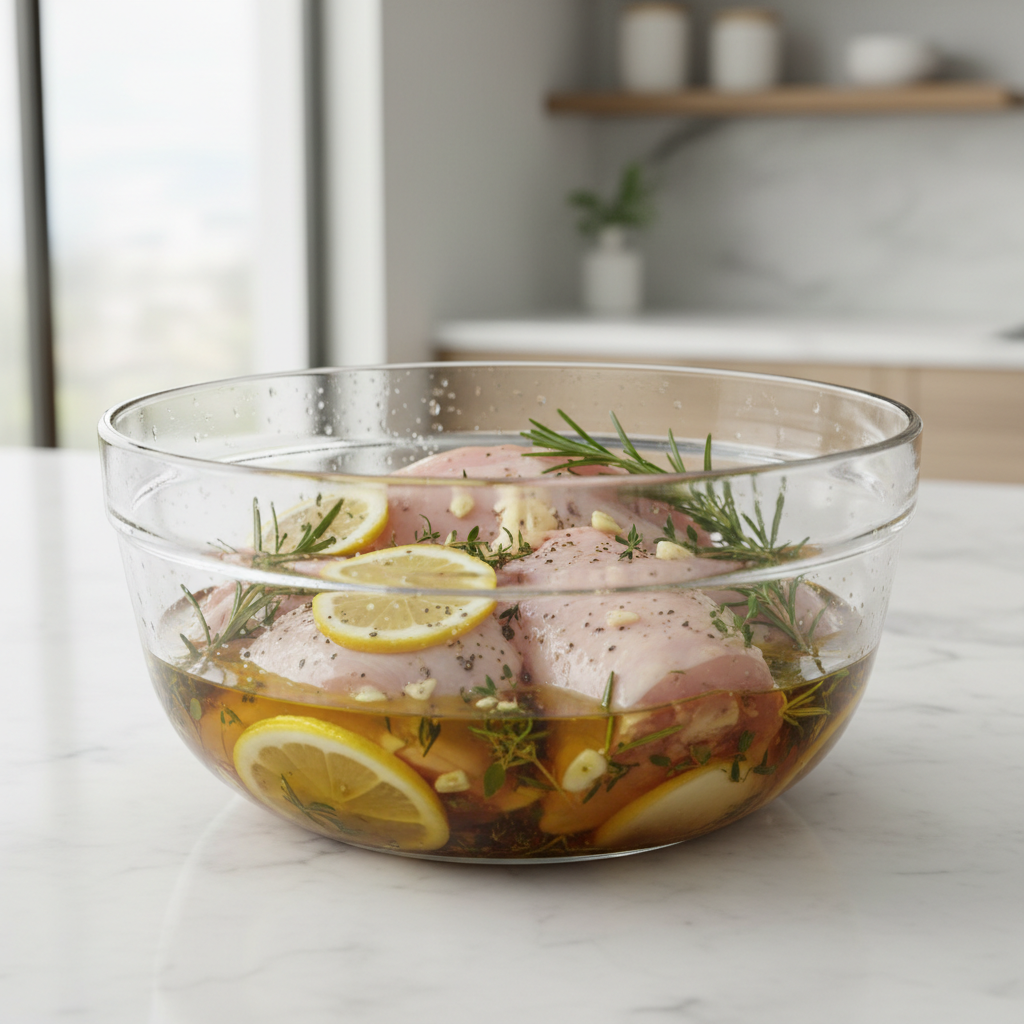
Below you’ll get a practical marinade framework, a simple time-and-cut guide, and a step-by-step grilling workflow. I’ll also call out the common mistakes people make when they try to “marinate longer” to fix dry chicken, because that often backfires.
What a marinade actually does (and what it doesn’t)
Marinades can do three helpful jobs: add surface flavor, improve browning, and in some cases make the bite feel a bit more tender. What they usually don’t do is push big flavor deep into thick chicken quickly, especially breasts.
Think of marinade as a surface seasoning system, not a magic soak. That’s why a good grilling plan matters just as much as the liquid you mix.
- Salt seasons and helps retain moisture (similar idea to a light brine).
- Oil carries fat-soluble flavors and helps prevent sticking.
- Acid (lemon, vinegar, yogurt) brightens flavor, but too long can soften texture.
- Aromatics (garlic, herbs, spices) deliver the “grilled chicken” personality.
According to USDA Food Safety and Inspection Service, you should marinate in the refrigerator, not on the counter, and never reuse marinade that touched raw poultry unless you boil it first.
The marinade formula that works for most grilled chicken
If you want a repeatable way to nail how to make grilled chicken marinated without hunting for a new recipe every time, use this ratio as your base. It scales cleanly and you can swap flavors without breaking the chemistry.
Base ratio (for about 1.5–2 lb chicken)
- 3 tbsp oil (olive oil, avocado oil, neutral oil)
- 2 tbsp acid (lemon juice, lime, vinegar, yogurt thinned with a splash of water)
- 1–1.5 tsp kosher salt (reduce if using salty sauces)
- 1–2 tsp sweetener (honey, brown sugar) optional, helps browning
- Aromatics: garlic, pepper, paprika, cumin, chili flakes, herbs
Quick flavor directions (pick one)
- Lemon-herb: lemon, olive oil, garlic, oregano, parsley, black pepper
- Smoky BBQ-style: oil, apple cider vinegar, smoked paprika, garlic powder, a little brown sugar
- Yogurt-spice: yogurt, lemon, garlic, cumin, coriander (great for thighs)
One small but important call: if you use soy sauce, fish sauce, or bottled marinades, treat them as “salt” in the system and pull back on added salt so you don’t cross into hammy territory.
Pick the right chicken cut (it changes the timing)
The same marinade behaves differently on breasts versus thighs. A lot of “my chicken turned tough” stories are really “I marinated a delicate cut too long with too much acid.”
| Cut | Best marinade time | Why | Grill approach |
|---|---|---|---|
| Boneless skinless breasts | 30 min to 4 hours | Lean, can get mealy if very acidic too long | Medium-high heat, watch internal temp closely |
| Boneless thighs | 2 to 12 hours | More fat, stays forgiving and juicy | Medium heat, a little longer for char |
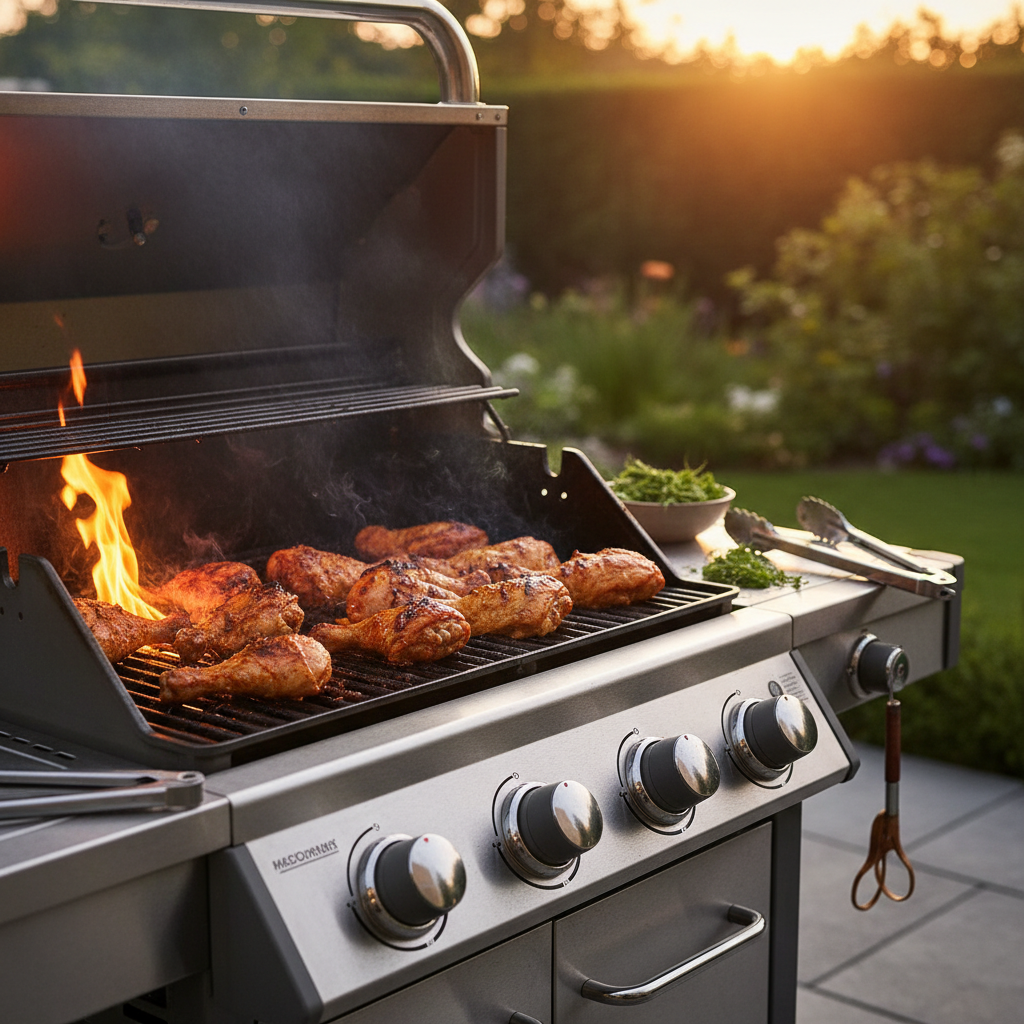
| Bone-in pieces | 4 to 12 hours | More mass, surface flavor still matters most | Two-zone grilling, finish on indirect heat |
A quick self-check: do you need marinade, brine, or both?
People search how to make grilled chicken marinated when they want more flavor, but sometimes what they really need is moisture insurance. This quick checklist helps you choose the right tool.
- Your chicken tastes bland inside: lean toward a light salt-forward marinade or a short dry brine (salt in the fridge for 30–60 minutes).
- Your chicken browns poorly: add a touch of sweetener, pat the surface dry before grilling, and make sure the grill is properly preheated.
- Your chicken turns dry: your heat is likely too high or you’re overcooking, marinade can’t fully save that.
- Your chicken gets soft or “mushy”: reduce acid or cut marinating time, especially for breasts.
If you do both dry brine and marinade, keep it simple: salt first, then a shorter marinade window with less added salt.
Step-by-step: how to marinate grilled chicken and grill it right
This is the workflow I’d use for a weeknight grill where you want real flavor without a complicated production.
1) Mix marinade, then taste it like a dressing
Before adding chicken, taste the marinade on a fingertip. It should taste a bit stronger than you want on the final meat, but not aggressively salty. If it’s harsh, add a little more oil, or a pinch more sweetener.
2) Use a bag or shallow container for better contact
A zip-top bag spreads marinade evenly and wastes less liquid. A shallow dish also works, just turn the chicken once or twice.
- Refrigerate while marinating.
- Keep raw chicken separate from ready-to-eat foods.
3) Pat dry before the grill (yes, even though it feels wrong)
Right before grilling, remove chicken and let excess drip off, then pat the surface dry with paper towels. You keep flavor, but you lose the wet layer that blocks browning and makes sticking worse.
4) Preheat and oil the grates
Give your grill time to get properly hot, then clean grates and lightly oil them. Most sticking issues come from either a cold grill or a wet surface.
5) Grill with temperature, not guesswork
According to USDA Food Safety and Inspection Service, chicken should reach 165°F internal temperature at the thickest part. A basic instant-read thermometer saves more chicken than any marinade ever will.
- Breasts: medium-high heat, flip once, pull near 160–165°F and rest.
- Thighs: medium heat, they handle more time, many people prefer them a bit higher than 165°F for texture.
- Bone-in: sear over direct heat, then finish on indirect until safe temp.
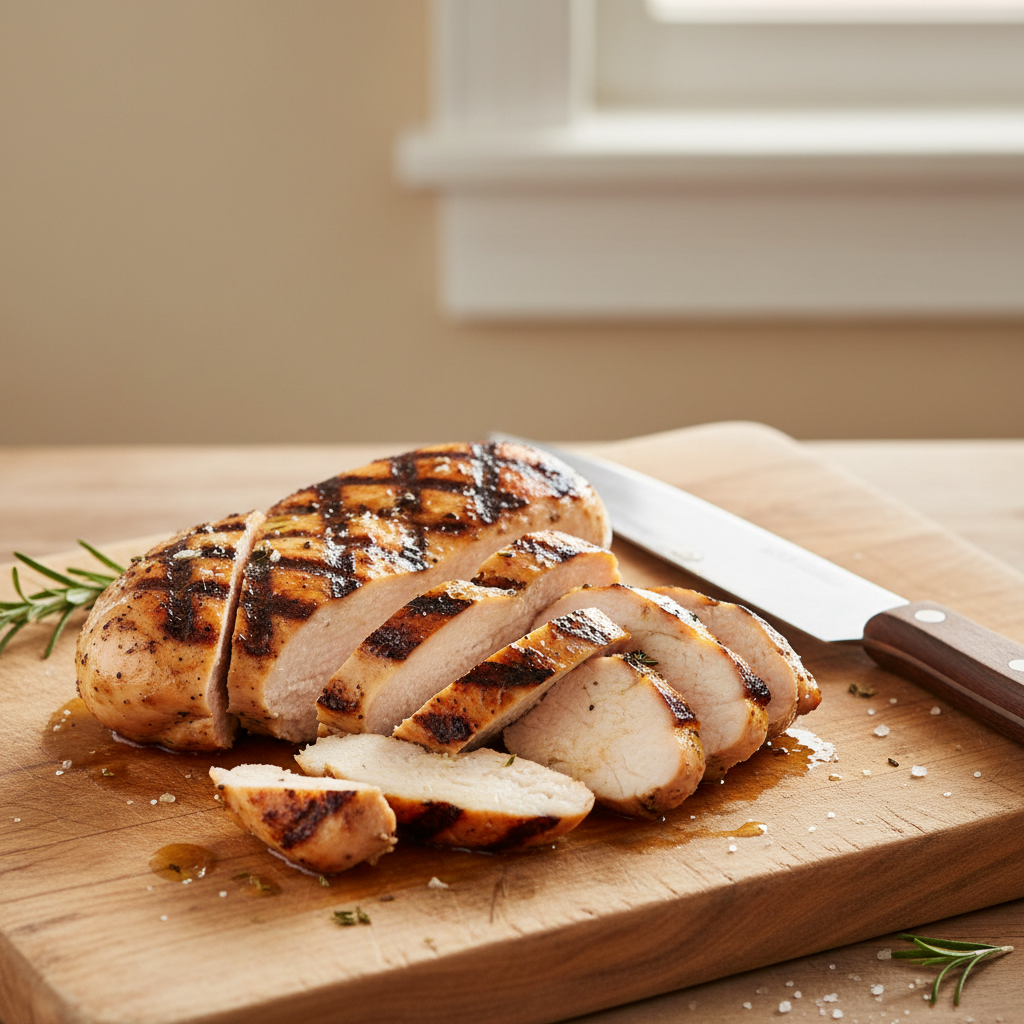
6) Rest, then slice across the grain
Rest 5–10 minutes. It’s boring advice, but it’s the difference between juicy slices and a cutting board puddle.
Common mistakes that ruin marinated grilled chicken
Most problems are predictable, which is great because they’re easy to avoid once you see them.
- Too much acid for too long: lemon and vinegar are great, but extended time can make texture weird, especially on breasts.
- Over-sugaring: sugar helps browning, but too much burns before the chicken cooks through.
- Marinating at room temp: unsafe and unnecessary. Keep it chilled.
- Using leftover marinade as sauce: if it touched raw chicken, boil it first or make a fresh batch.
- High heat only: constant blasting heat chars the outside and dries the inside. Two-zone cooking fixes this.
Practical variations: meal prep, kebabs, and quick weeknights
Once you have the base formula, you can adjust for your real life, not an ideal Saturday afternoon.
Weeknight “30-minute marinade”
- Use thinner cuts: cut breasts in half horizontally or use tenders.
- Go lighter on acid, keep salt consistent.
- Prioritize grill heat control and thermometer checks.
Meal prep for salads and wraps
- Choose thighs if you reheat, they stay more forgiving.
- Keep flavors neutral: lemon-herb or light smoky spice.
- Store cooked chicken in airtight containers, reheat gently to avoid drying.
Kebabs (skewers)
- Cut pieces evenly so they finish together.
- Don’t drown in wet marinade right before skewering, pat lightly for better char.
- If using wooden skewers, soak them so they’re less likely to scorch.
Key takeaways (save this)
- Structure beats secrets: oil + acid + salt + aromatics, then tweak flavors.
- Time depends on the cut: breasts need shorter, thighs can go longer.
- Dry surface = better grill marks: pat chicken dry before it hits the grate.
- Thermometer wins: cook to safe internal temperature, then rest.
Conclusion: If you keep the marinade balanced and treat grilling as a temperature-control job, you’ll stop chasing new recipes and start getting consistently juicy, flavorful results. Pick one flavor direction, marinate for the right window, grill with two zones when you can, and let the chicken rest before slicing.
If you want an easy next step, choose the lemon-herb version, marinate thighs for a few hours, and cook them over medium heat until safely done, it’s one of the most forgiving ways to prove the method works.