
how to cook rice perfectly every time comes down to a few repeatable choices: the right rice, a consistent water ratio, controlled heat, and a rest at the end.
If you’ve ever lifted the lid to find a gummy top layer, a crunchy ring on the bottom, or rice that tastes oddly bland, you’re not “bad at rice”, your process just has one weak link. The good news is white rice is forgiving once you stop guessing.
This guide focuses on fluffy, separate-grain white rice you can serve with anything, plus quick troubleshooting for the batches that go sideways. I’ll also call out when the “rules” change, because jasmine, basmati, and sushi rice do not behave the same.
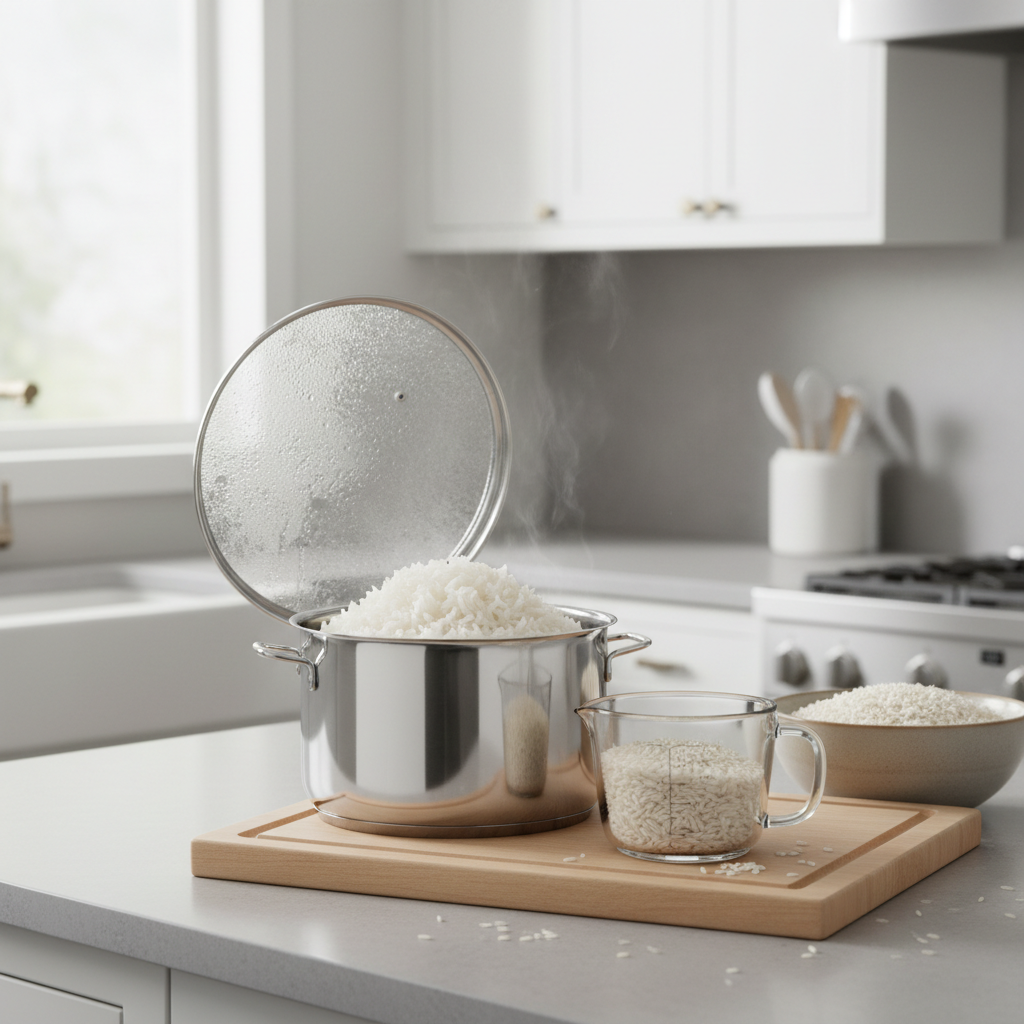
Pick the right rice for the result you want
“White rice” looks simple, but different varieties absorb water differently, and that changes your ratio and texture. When someone says rice “always” turns out sticky, it’s often because they’re using the wrong type for the dish.
- Long-grain (American long-grain, basmati): dryer, more separate grains, great for bowls and sides.
- Jasmine: fragrant, slightly clingy, still fluffy when cooked right.
- Medium/short grain (sushi rice): naturally stickier, meant for clumping.
- Converted/parboiled: firm, less sticky, very consistent, good for meal prep.
According to the USA Rice Federation, rice is generally classified by grain length and variety, and those traits influence texture and cooking behavior. That’s the reason “one ratio fits all” advice often disappoints.
Water ratio and timing: a practical chart you can trust
Most rice failures are measurement problems, not technique problems. Use a real measuring cup for both rice and water, and keep notes for your stove and pot, because a wide shallow pan loses water faster than a tall saucepan.
Quick ratio table (stovetop, covered simmer)
These starting points work in many home kitchens, then you fine-tune by a tablespoon or two next time if needed.
| Rice type | Rinsed? | Water : Rice | Simmer time | Rest (off heat) |
|---|---|---|---|---|
| American long-grain white | Optional | 1.75 : 1 | 15–18 min | 10 min |
| Jasmine | Yes | 1.5 : 1 | 12–15 min | 10 min |
| Basmati | Yes | 1.5 : 1 | 12–15 min | 10 min |
| Sushi rice (short-grain) | Yes | 1.2–1.3 : 1 | 15–18 min | 10 min |
Key point: the rest matters almost as much as the simmer. It finishes steaming the center and evens out moisture so the bottom doesn’t feel overcooked.
Rinse, soak, or skip? The call that actually matters
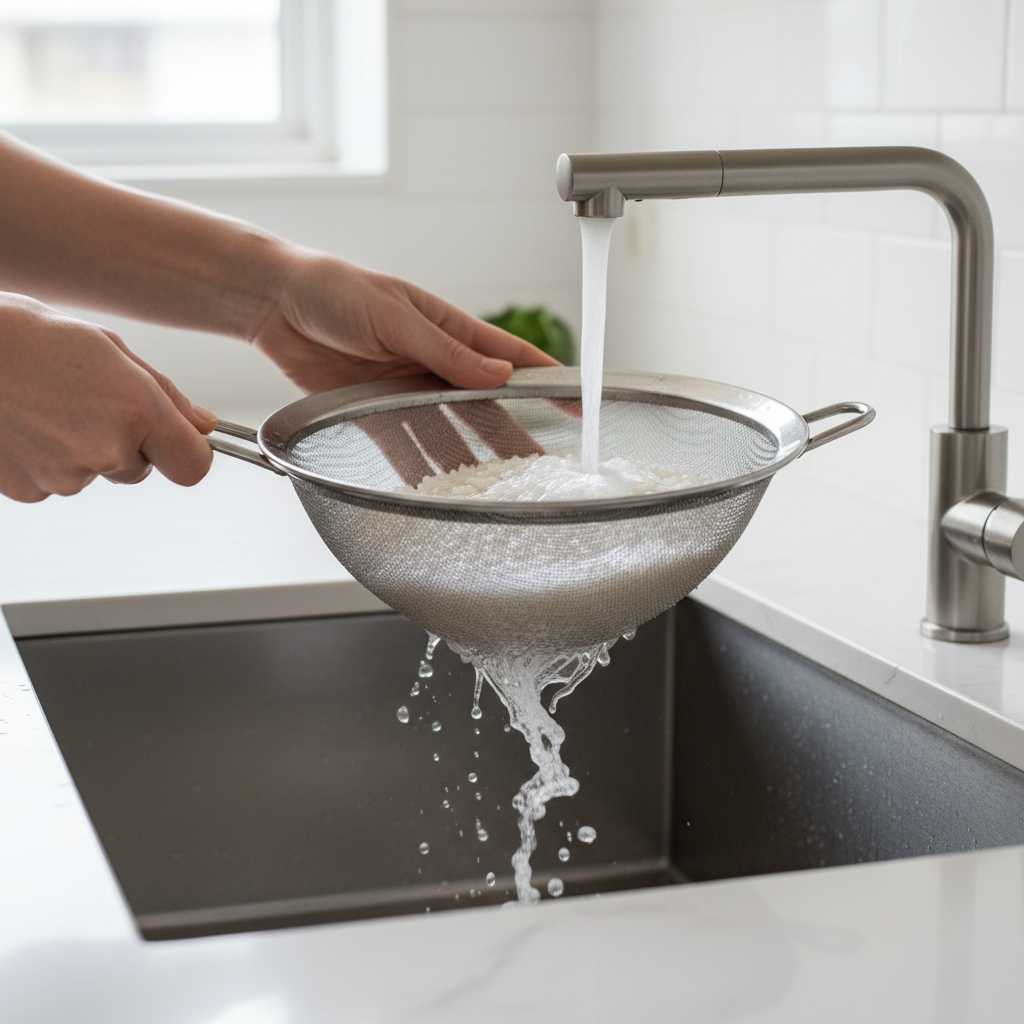
Rinsing removes surface starch, which is the main driver of gumminess and foaming. If you like distinct grains, rinse. If you want clingy rice, you can rinse lightly or skip.
- Rinse (recommended for jasmine, basmati, sushi rice): rinse in a bowl with cool water, swirl, drain, repeat 3–5 times until water looks less cloudy.
- Soak (optional, helpful for basmati): 15–30 minutes can improve length and tenderness, then drain well and reduce water slightly.
- Skip rinsing (sometimes fine for enriched long-grain): you may get slightly stickier rice, and the pot may foam more.
According to the FDA, many white rice products in the U.S. are enriched, and rinsing can reduce some added nutrients. In real kitchens, texture usually wins, but it’s worth knowing the trade-off.
Foolproof stovetop method (the one most people overthink)
If you want to master one technique, make it stovetop. It teaches you what “too hot” and “too much peeking” look like, and once you nail it, you can cook rice anywhere.
Step-by-step
- Measure rice and water using the ratio table above, add a pinch of salt if you like.
- Rinse if the rice type benefits from it, drain well so you don’t accidentally add extra water.
- Bring to a boil uncovered over medium-high heat, then stir once.
- Cover and reduce to low as soon as you see a steady boil, you want a gentle simmer, not aggressive bubbling.
- Do not lift the lid during simmer time, steam loss is where “crunchy top, wet bottom” starts.
- Turn off heat and rest covered 10 minutes, then fluff with a fork or rice paddle.
What “low” means: on many stoves it’s the lowest setting that still keeps a faint simmer. If your pot hisses loudly or sputters, it’s usually too hot.
Rice cooker and Instant Pot: consistent results with less babysitting
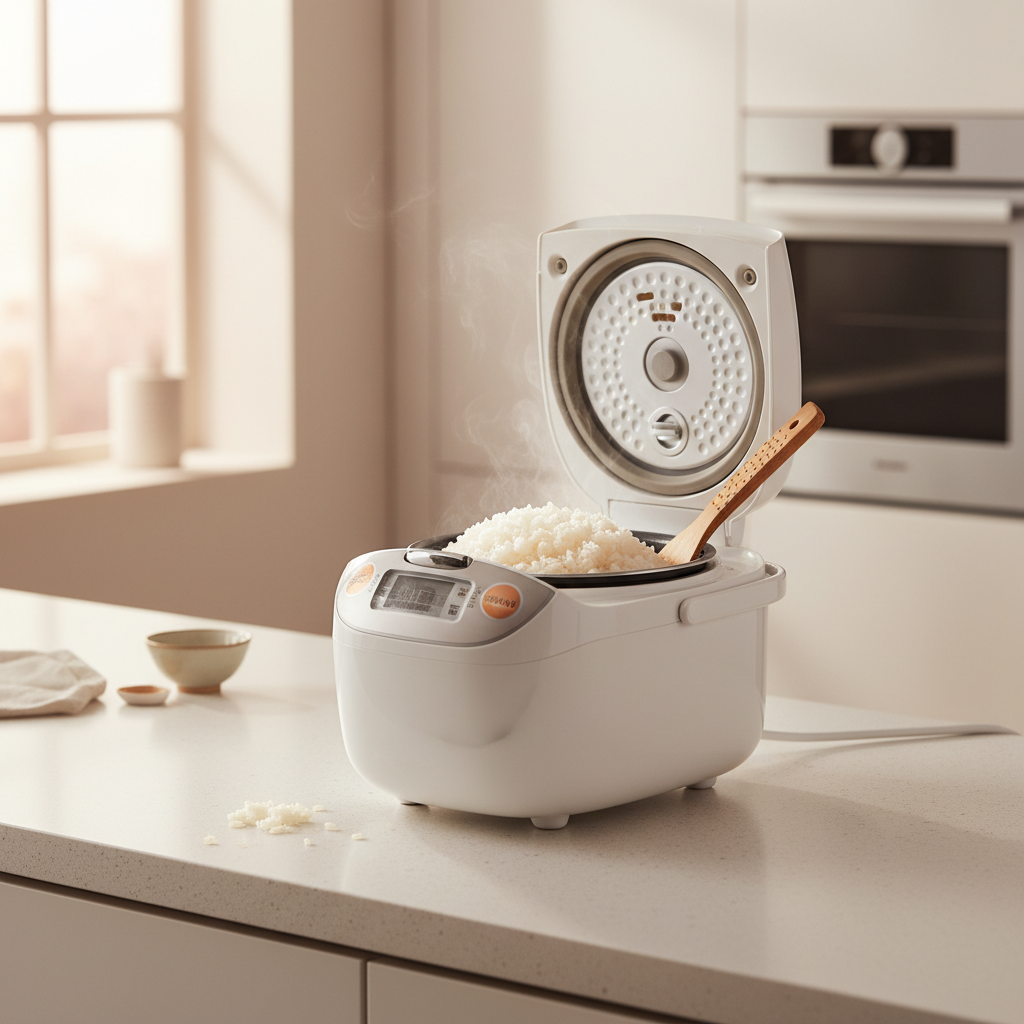
If your schedule is chaotic, a rice cooker earns its counter space. Pressure cookers also work well, but the texture can feel slightly different, more “plump” than stovetop.
Rice cooker basics
- Rinse if desired, then add water using your cooker’s markings or your preferred ratio.
- Start the cycle, then let it sit on warm 5–10 minutes before opening.
- Fluff, then keep the lid closed to prevent drying.
Instant Pot (electric pressure cooker) quick guide
- Common starting point for many white rices is 1:1 water to rice, but adjust by variety and rinsing.
- Cook on High Pressure, then allow a short natural release before venting.
- Rest a few minutes, fluff gently.
For pressure cookers, follow your device manual and your rice brand’s guidance when it conflicts with generic ratios, because pot size, valve behavior, and altitude can shift timing.
Troubleshooting: fix the batch you have, then fix the cause
When rice goes wrong, people tend to keep cooking it longer, which sometimes makes it worse. Diagnose first, then choose the least dramatic fix.
If rice is crunchy or undercooked
- Add 2–4 tablespoons hot water, cover, cook on very low 3–5 minutes, then rest.
- Check your lid fit, a loose lid leaks steam and mimics “not enough water.”
- Next time, increase water slightly or lower heat, because fast boiling can evaporate too much.
If rice is mushy or gummy
- Spread rice on a sheet pan 5 minutes to vent steam, then fluff.
- Next time, reduce water a little, and rinse more thoroughly for long-grain styles.
- Avoid stirring during cooking, agitation releases starch.
If rice burns on the bottom
- Don’t scrape the burnt layer into the rest, remove the good rice on top.
- Lower heat and use a heavier pot next time, thin pots create hot spots.
- Make sure you’re simmering, not boiling hard under a closed lid.
Key takeaways (print this mental checklist)
- Measure water and rice the same way, guessing is the enemy of repeatability.
- Match ratio to rice type, “white rice” is not one behavior.
- Don’t peek during simmer, steam is part of the ingredient list.
- Rest covered, then fluff, that’s where texture turns “fine” into “great.”
- If you’re trying to cook rice perfectly every time, change only one variable per batch so you learn what worked.
Food safety and storage (quick, sensible rules)
Cooked rice can spoil if it sits warm too long, and reheating doesn’t always undo that risk. According to the USDA, perishable cooked foods should not stay in the “danger zone” for extended periods, so refrigerate leftovers promptly in shallow containers.
- Cool faster by spreading rice out briefly, then store covered in the fridge.
- Reheat until steaming hot, add a splash of water and cover to restore softness.
- If you have health concerns, pregnancy, or immune issues, it’s smart to be conservative and consult a clinician for personalized guidance.
Conclusion: make your “house method” and stop guessing
If your goal is how to cook rice perfectly every time, pick one rice variety you use most, lock in a ratio, and repeat it three batches in a row without improvising. Once you see consistent texture, then tweak for preference: a touch drier, a bit softer, more aroma.
Tonight’s action plan is simple: rinse if you want fluffier grains, measure water with intention, keep the lid closed, and give the pot a real rest before you fluff. That’s the whole game.
If you want, tell me the exact rice type and the pot or appliance you use, and what “wrong” looks like, I can suggest the most likely adjustment without turning it into a science project.